


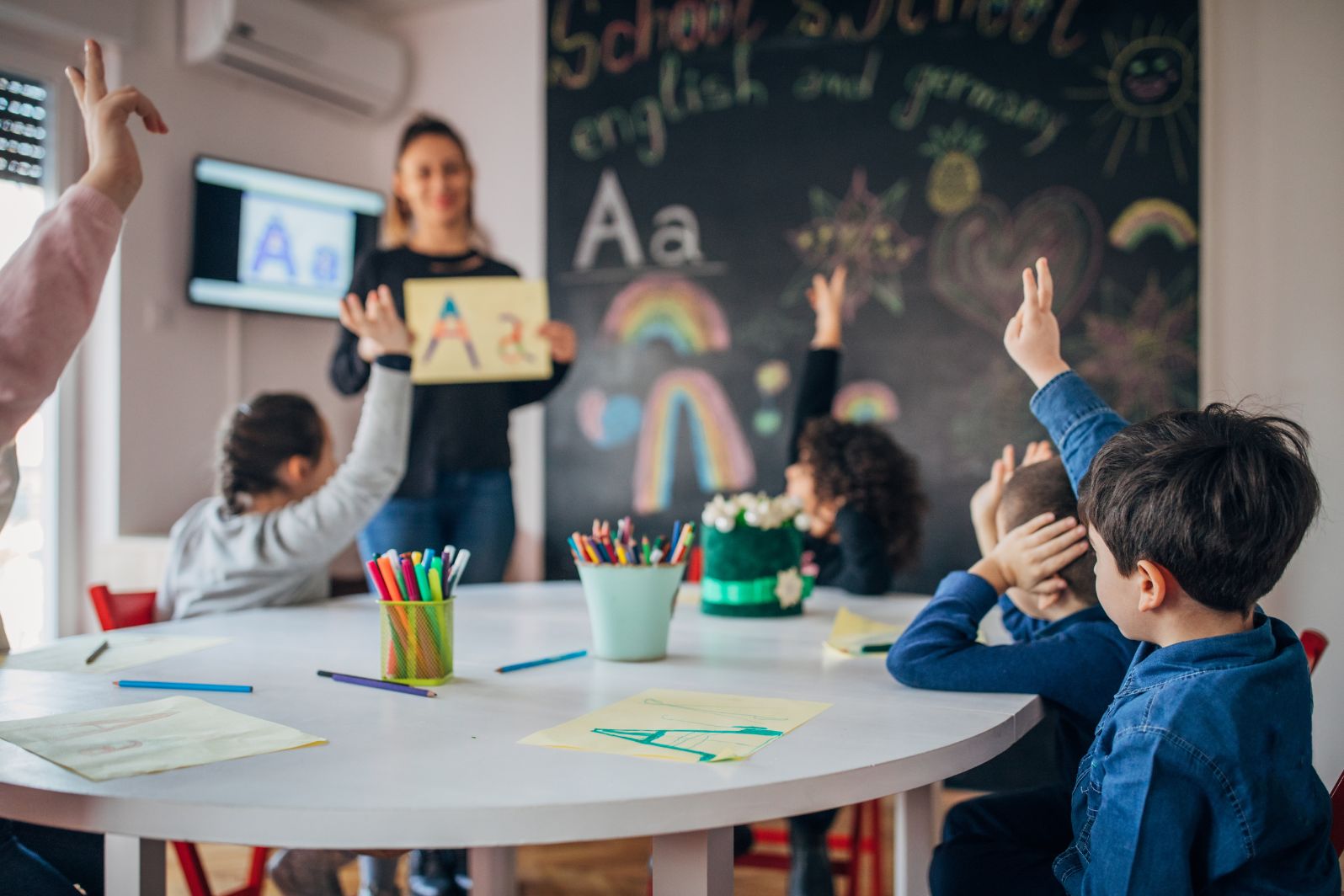
Changing the way kids learn in the classroom is a big goal for many schools. The old way of sitting in rows and listening to long lectures often leaves students feeling bored. Modern teachers are looking for better ways to keep kids interested and active. By using fresh ideas and the right tools, schools can turn a normal room into a space for discovery. Making these changes helps students feel more connected to what they are studying every day.
Table of Contents
Modern Learning Spaces
The physical setup of a room changes how students interact with each other. One report found that schools are now using movable furniture and open layouts to support different ways of working. These designs let kids switch from quiet reading to group projects in just a few minutes. Teachers can move desks around to fit the needs of the lesson. This flexibility supports various styles of learning without keeping everyone stuck in one spot for hours.
Flexible Seating Options
- Rolling chairs allow for quick group transitions.
- Standing desks help students who need to move while they work.
- Soft seating areas provide a comfortable space for deep focus.
Intentional Classroom Design
Keeping students focused requires a plan that goes beyond just buying new chairs. A study on student behavior mentioned that high levels of interest do not happen by luck and require a very careful design. Teachers need to think about how every part of the room will be used. This means planning where tools are kept and how kids move through the space. When a room is designed with a purpose, students feel more invited to participate in the lesson.
Strengthening STEM Through Experiments
Educators are moving away from traditional lectures to give students more control over their learning. While this shift helps children remain curious throughout the day, hands‑on Science learning requires the right tools to be effective. A recent study highlighted that practical work not only helps students grasp complex concepts but also develops their physical skills. Children learn more effectively when they can touch and manipulate objects to see how things work. This type of active engagement also helps keep their attention focused, reducing distractions from their surroundings.
Encouraging Natural Curiosity
Science is about asking questions and finding out why things happen the way they do. One expert blog post noted that watching nature and finding patterns helps children build the foundation for scientific thought. Instead of just reading a book, kids should spend time looking at the world around them. This method teaches them to slow down and notice the small details, encouraging curiosity. When students start asking their own questions, they become the leaders of their own education.
The Power of Inquiry
Teaching through inquiry is a great way to build strong thinking skills. A research team found that this style of teaching had a massive impact on how well students solve problems. It forces kids to think for themselves instead of just memorizing facts for a test. They have to look at evidence and decide what it means. This process prepares them for the real world, where answers are not always found in the back of a textbook.
Looking at the Results
Testing these new methods shows that they actually work to improve grades. Action research in one primary school showed that average science scores rose from 61.8% to 66.3% after using active methods. These numbers prove that students do better when they are physically involved in the lesson. It is not just about having fun – it is about making the information stick in their minds. Seeing these gains gives teachers the confidence to keep trying new things in their rooms.
Improving Teaching Quality
The success of a student depends a lot on the quality of the materials they use in class. State leaders in Utah pointed out that schools must look at how curricula and support affect the way kids learn. Having a good plan is just as important as having a good teacher. Schools need to provide the right guides and tools so that every lesson is high-quality. When the plan is strong, students can reach their full potential much faster.
Effective STEM Pedagogy
Using a method based on questioning and experimenting is one of the best ways to teach science and math. Research published in 2025 highlights that exploring phenomena is a top way to support STEM education. This approach encourages students to act like real scientists by drawing their own conclusions. It moves the focus from the teacher at the front of the room to the experiment on the desk. This style of learning builds a deep interest in subjects that might otherwise seem too difficult.
Helping kids succeed starts with a commitment to trying better methods. When classrooms become places of active discovery, every student has a chance to shine. Teachers who use these practical steps see more engagement and better results. Small changes in how a room is set up or how a lesson is taught can make a massive difference. Every child deserves a space where they can ask questions and find their own answers. Working together to improve the school day makes the future brighter for everyone involved.
