


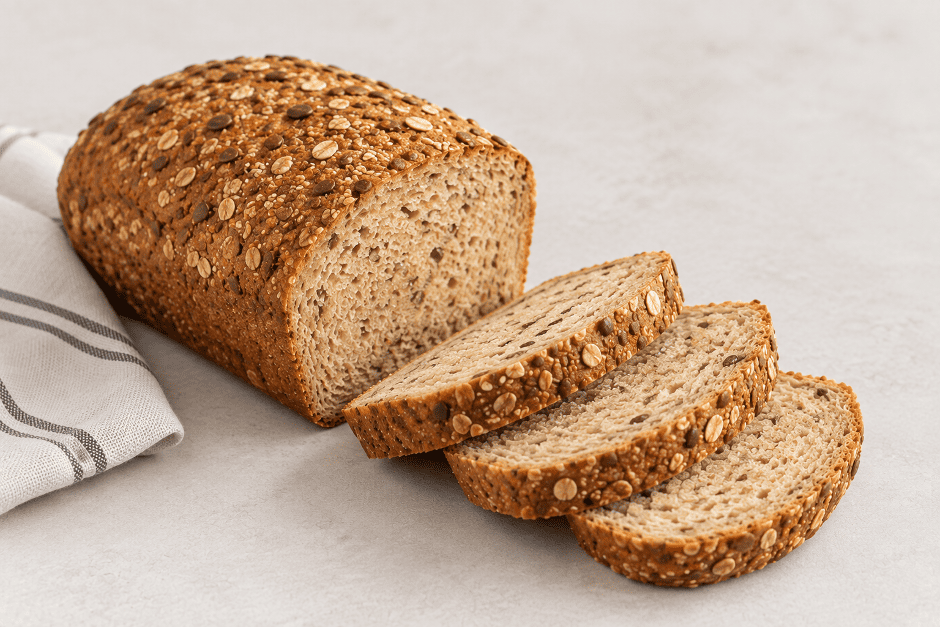
Bread has always had a bit of a mixed reputation. It’s comforting, familiar, and easy to build a meal around, but it’s also one of the first things people cut when they start paying closer attention to what they eat. That’s starting to change. High protein bread has given people a reason to keep bread on the table instead of pushing it aside, and it’s worth understanding why this shift is happening now.
Table of Contents
A Small Ingredient Change With a Bigger Effect
Most bread is made the same basic way it has been for generations: flour, water, yeast, and time. Protein was never really part of the equation. That’s changed as bakers started experimenting with ways to boost the nutritional value of a loaf without losing the taste or texture people expect from bread.
The result is a category of bread built around one simple idea: make the slice work harder. Instead of just being a carrier for whatever’s on top of it, the bread itself now contributes something to the meal.
What Actually Goes Into a Protein Loaf
There’s no single recipe for a protein loaf, but most versions rely on a few familiar techniques.
- Adding whey or plant-based protein powder to the dough
- Mixing in seeds like flax, chia, or hemp
- Replacing part of the flour with almond, oat, or chickpea flour
- Increasing the number of eggs used in the recipe
Each method changes the flavor and texture slightly, which is why two loaves labeled “high protein” can taste completely different from one another. Trying a few brands is usually the easiest way to find one that actually tastes good enough to eat regularly.
Understanding the Protein Difference in Bread
A standard slice of white or wheat bread usually has somewhere between three and five grams of protein. That’s not much on its own. Many protein-focused loaves offer two to three times that amount per slice, which starts to matter once bread becomes a regular part of breakfast or lunch.
This doesn’t mean low protein breads are a poor choice. They still serve their purpose, especially in meals where protein is already coming from somewhere else, like eggs, meat, or beans. The difference only becomes noticeable when bread is doing more of the nutritional work in a meal by itself.
How People Are Actually Using It
Nobody needs a new routine to start using protein bread. It usually just replaces the loaf already sitting in the kitchen. A few common examples:
- Toast with eggs for a breakfast that actually lasts until lunch
- A sandwich that doesn’t need extra meat to feel filling
- Grilled cheese with a bit more substance
- A quick snack of toast and nut butter that keeps hunger away longer
Low Carb Avenue is one of the places where these protein-focused loaves show up next to other lower-carb bread options, which makes it easier to compare a few at once instead of guessing from a single package.
A Few Things Worth Checking Before Buying
Not every protein bread is worth repeat purchases. Before settling on one, it helps to look past the front label and check a few basics.
- Where the protein actually comes from
- Net carbs, not just the total carb count
- How short or long the ingredient list is
- Whether it holds up well when toasted
- Common allergens like soy, dairy, or nuts
These details won’t make one loaf perfect and another terrible. They just help separate the loaves worth buying again from the ones that end up forgotten in the pantry.
Who Notices the Difference the Most
Switching to protein bread isn’t a dramatic change for everyone, and that’s fine. A few groups tend to feel the benefit more clearly:
- People who don’t eat much meat but still want to hit a protein goal
- Anyone who skips breakfast or eats it too quickly to feel satisfied
- People managing blood sugar who need steadier, slower-digesting meals
- Active people who want protein without relying on shakes
- Anyone who’s simply tired of feeling hungry again an hour after eating toast
For everyone else, it’s less of a necessity and more of a small upgrade to something already part of their day.
A More Practical Way to Pick Bread
Nobody needs to throw out every loaf in their kitchen because of a trend. Someone already eating enough protein elsewhere probably won’t notice much of a difference, and that’s a perfectly fine place to be. But for anyone whose meals lean heavily on bread, breakfast toast, packed lunches, or quick snacks between errands, a protein loaf is a small change that adds up without asking for much effort in return. The best way to judge any bread is still by reading the label, not the claims printed across the front of the bag. Looking at protein, fiber, and carbohydrates together gives a much clearer picture than focusing on one number alone. Bread hasn’t suddenly become good or bad; it’s simply being chosen a little more carefully than before.
