


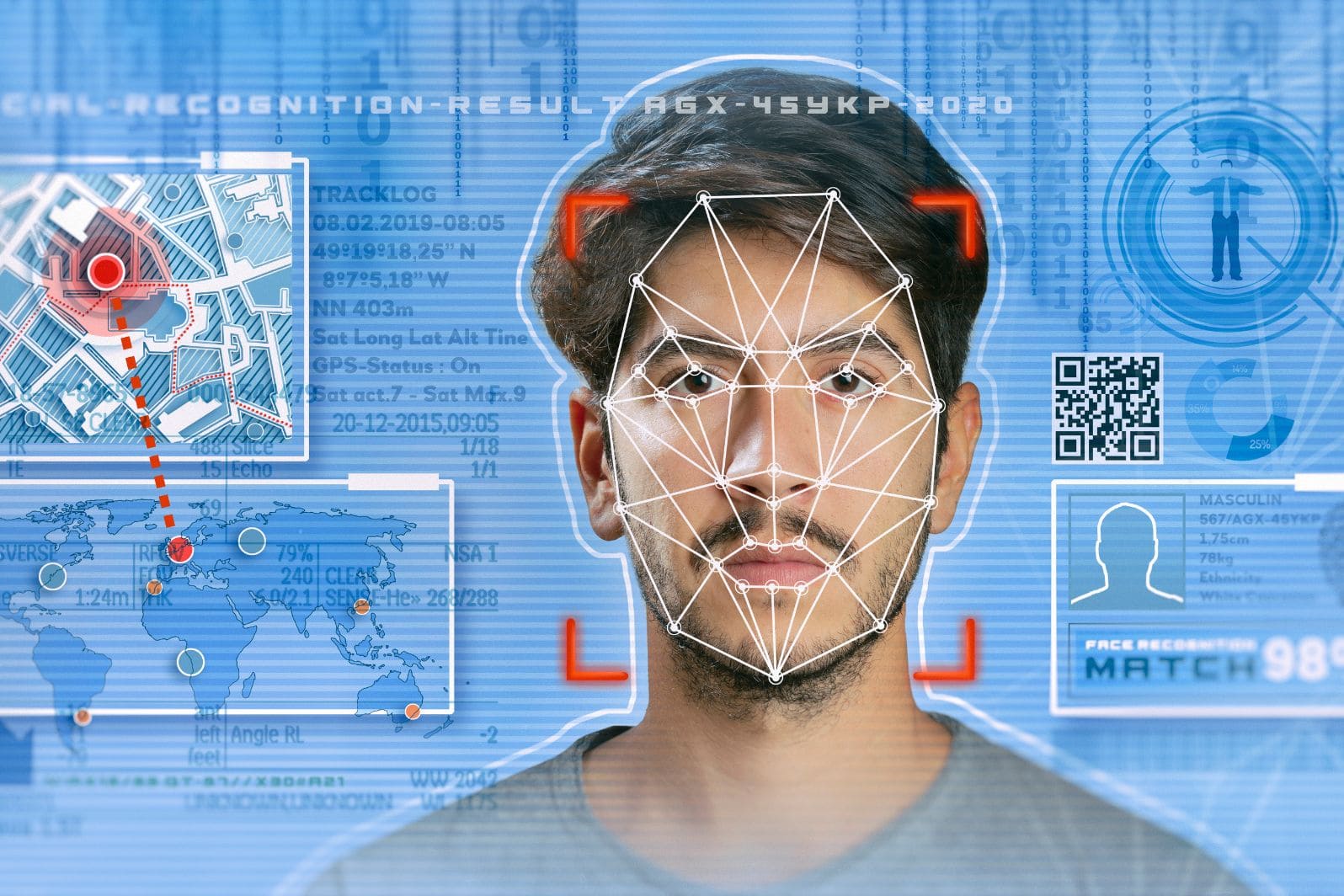
As digital services grow in sectors like banking, health care, e-commerce, education, and enterprise security, the demand for secure, fast, and private identity solutions is at an all-time high. Presently it is typical for traditional biometric systems to send face images to central servers, which in turn puts users at risk for data breaches and regulatory issues and also erodes user trust. What is now being seen is a shift away from that, in which modern facial recognition is putting biometric processing right on the user’s device.
One that stands out is the privacy-first approach of facial recognition software solutions that perform authentication locally as opposed to transmitting sensitive images. Private ID reports that it has a platform that does on-device biometric authentication in as little as 25 milliseconds. Also, it is observed that their system is designed so that no face or personal info leaves the device.
This architecture change is transforming how organizations think about security, compliance, and user experience.
Table of Contents
The Shift Toward On-Device Facial Recognition
For many years businesses have sought the ease of biometric login and identity matching, which in turn has put forward the issue of storage of face templates from a legal and operational point of view. It has been seen that there is a balance that needs to be achieved between accuracy, speed, and privacy.
Private ID reports on this via edge AI and homomorphic tokenization, which takes in facial data and turns it into irreversibly encrypted tokens at the edge. Raw images are no longer stored or transmitted in this system, which instead uses anonymous math-based representations that cannot be put back together to identify a person’s face.
This is so because it is observed that which organizations do is they may put in place biometric identity solutions and at the same time greatly reduce risk of
- Data breaches
- Unauthorized image retention
- Cross-border data transfer concerns
- Regulatory exposure
- Insider misuse of biometric databases
Privacy is a core component of the biometric workflow, which has been designed from the ground up.
Speed and Scalability Without Compromise
In legacy facial recognition systems, it is observed that there is a trade-off between database size and response time. As the number of enrolled users increases, so does the search time.
1 to many and exact matches in constant time, which also scales across very large sets. The company reports that encrypted face searches are nearly instant at any scale, which in turn enables use cases like deduplication, fraud prevention, and large identity systems without trade-off in performance.
This is of particular use in the following:
- Large consumer platforms
- Financial institutions
- Government credentialing
- Workforce identity systems
- High-volume account onboarding
- Continuous authentication environments
In large-scale platforms that have millions of users, this sees great improvement in conversion rates, and it is observed that there is a reduction in onboarding friction.
Stronger Fraud Prevention Through Liveness and Deduplication
Biometric systems’ security is a reflection of their spoofing resistance. Today it is observed that threats like printed photos, screen replays, masks, and even deepfakes exist.
Private ID has in its platform the passive on-device liveness detection, which stops these attacks at the point of authentication. Also, because the liveness models run locally, the system at the same time preserves privacy and deters spoof attempts from paper images, digital screens, masks, and synthetic media.
Another key benefit is that it is possible to immediately detect when the same person is trying to make multiple accounts. This includes:
- Bonus abuse prevention
- Marketplace fraud
- Banking fraud controls
- Account recovery protection
- Identity proofing workflows
By using encrypted tokens instead of stored images for what makes a face unique, organizations observe strong anti-fraud measures in place, which at the same time does not put privacy at risk.
Better Compliance in Privacy-Sensitive Industries
One issue that causes businesses to go with privacy-first biometric solutions is regulation. In health, finance, telecom, and education sectors, it is observed the greatest need for adherence to strict sensitive data handling standards.
Private ID reports that it is ensured that the architecture is a compliant one, which includes but is not limited to the laws like the GDPR, CCPA, BIPA, and HIPAA, which at Private ID the structure has been designed to conform to. Also, it is noted that it is in alignment with the IEEE 2410 biometric privacy standards and also supports NIST 800-63 identity assurance workflows.
This may speed up legal reviews, and it is observed in industries that require privacy by design.
Expanding Real-World Use Cases
Facial recognition tech is no longer limited to login, which is what it did in the past. It is a part of a larger identity system.
Private ID’s tech includes applications such as
- Passwordless authentication
- Photo ID to selfie matching
- Identity verification enrollment
- Secure account recovery
- Workforce and building access
- Video stream biometric tracking
- Deepfake detection
- Age assurance
- Credential issuance
Through the use of the same privacy-preserving tokenization model, which extends across these workflows, businesses are able to put many identity functions into one privacy-first framework.
The Future of Trust in Digital Identity
In the future of biometrics, a shift is observed in which convenience is maximized at the same time that trust is not broken. Users are looking for a no-hassle authentication process; also, it is expected that their biometric data, like face, isn’t being stored for the long term or put at risk in a breach.
That is what is being seen in the present with the growth of privacy-protective at-the-edge facial recognition software, which is the trend in identity infrastructure.
By way of rapid on-device matching, encrypted tokenization, passive liveness detection, and enterprise-grade compliance support, Private ID shows how biometric security may transform into a safer and more user-friendly model.
