


Air conditioning units work hard throughout peak summer months to keep homes cool. Small changes in sound or cooling speed seem minor during warm weather. Ignoring these small operational shifts leads to major mechanical breakdowns and steep repair bills.
Table of Contents
Early Warning Signs Homeowners Ignore
Unusual noises from an air conditioner can start as soft signals during afternoon runs. Homeowners seeking reliable cooling services in Charlotte can prevent high repair costs by catching minor issues early. Left alone, minor rattling or squeaking lets mechanical stress spread across connected parts.
A sudden rise in power bills signals lower cooling performance. Warm air blowing from vents suggests a breakdown in heat transfer. Water pooling near the indoor fan unit signals drain blockages before water damage occurs.
Unusual smells coming from supply vents signal hidden mechanical troubles. Musty odors show mold growth inside dark drain pans, and burnt smells point to hot motor wiring. Addressing scent changes quickly stops minor odors from spreading through home ducts.
How Minor Mechanical Friction Escalates
Internal parts need smooth movement to lower indoor temperatures. Friction between dry bearings forces fan motors to draw extra power. Unchecked heat generation damages internal wiring lines and sensitive switches.
System failures build up high costs across the country when simple fixes wait too long. American households spend $14 billion each year on HVAC services and repairs. Quick care keeps smaller issues from joining those large numbers.
Constant shaking weakens loose mounts at the compressor base. Swapping a worn belt early avoids total motor jams later. Increased friction raises energy bills month after month. Motors drawing excess power overheat safety switches, causing frequent system shutdowns.
The Snowball Effect Of Low Refrigerant
Coolant moves in a closed loop to pull heat out of home living areas. A pinhole leak steadily lowers coolant levels over several weeks. Thick frost on copper lines indicates bad pressure balances inside the system.
Fixing coolant drops means fixing the root leak location. Recharging system coolant ranges from $100 to $500, whereas repairing underlying leak locations runs between $250 and $1,500. Immediate repairs protect home budgets from cumulative structural damage.
Low coolant forces compressors to run non-stop without hitting thermostat settings. Heavy workload cycles overheat internal pump seals and break down protective oils. Total compressor failure happens when pressure drops stay uncorrected for weeks.
Common Repair Expenses Across Modern Systems
Modern cooling units rely on balanced parts working as a team. Failure in one spot creates domino effects on electrical and mechanical parts. Knowing standard price ranges helps homeowners plan for timely service calls.
HVAC industry data indicates typical air conditioning repair costs range between $150 and $650 for standard issues, averaging $350 nationwide. Staying proactive keeps routine bills within standard bounds. Some common fixes include:
- Replacing worn fan belts and motor bearings
- Clearing clogged condensate drain lines
- Swapping faulty capacitors and relay switches
- Sealing small ductwork leaks near air handlers
Planning for routine repairs stops financial surprises during peak heat spells. Regular checks catch loose wire ends and worn belts before full breakdowns occur. Keeping parts balanced extends total equipment life by several years.
Airflow Restrictions And Motor Strain
Restricted airflow creates heavy physical strain on blower motors. Clogged air filters force fan parts to pull against heavy dust resistance. Dirt buildup on cooling coils blocks heat exchange on thin metal fins.
Low airflow causes indoor coils to freeze into solid blocks of ice. Frozen coils block air movement completely, forcing systems to run without cooling rooms. Melting ice creates water leaks that damage surrounding walls and flooring.
Changing air filters every one to three months protects blower motors. Clean filters maintain steady airflow through home duct networks. Simple filter swaps stay one of the cheapest ways to prevent motor failure.
Electrical Components Under High Demand
Summer heat places high demands on electrical starters and capacitors. Electrical capacitors store power needed to start heavy compressor motors. Heat stress lowers capacitor storage power over hot summer weeks.
A weak capacitor causes motors to hum loudly without turning properly. Forcing a motor to run on a weak capacitor quickly burns out internal wire coils. Swapping a bad capacitor early stops total motor breakdown.
Rusty wire connections block electric current flow through control boards. Loose terminals create sparks that burn circuit boards. Regular electrical checks catch burnt wires before complete system shutdowns happen.
Proactive Steps To Prevent Expensive Overhauls
Seasonal checkups spot worn parts before complete part failures happen. Technicians test electrical connections, measure coolant pressure, and clean dirty coils. Catching small wear stops sudden mid-summer system outages.
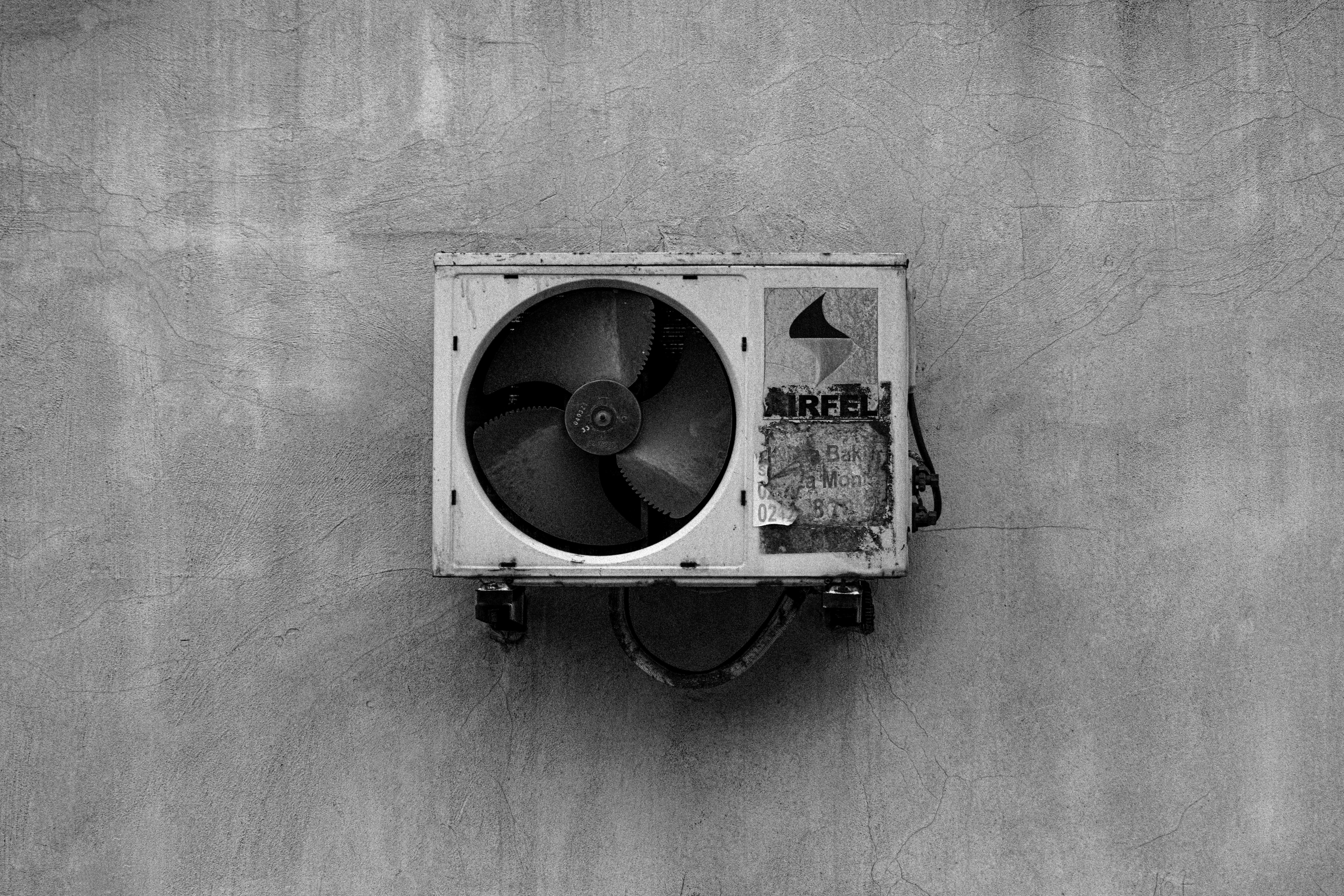
Cleaning outdoor units removes leaves, dirt, and yard debris. Clear space around outdoor units lets heat escape into outside air. Blocked airflow through outdoor coils raises internal system operating pressure.
Watching monthly energy bills spots slow efficiency drops early. Sudden spikes in power use show mechanical parts working under heavy strain. Quick professional checks keep minor repairs affordable.
Steady care keeps cooling equipment running well through peak heat waves. Fixing minor sounds and airflow changes early stops expensive emergency service calls. Taking action today protects home comfort and household budgets.
