


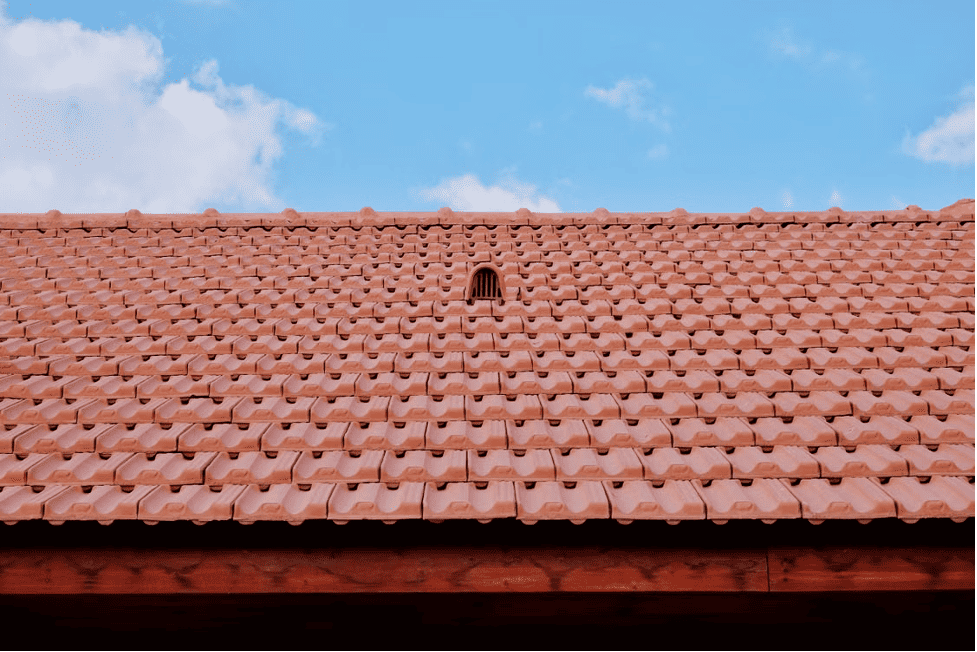
Commercial building managers are upgrading low-slope membranes to meet regional thermal insulation standards and protect against seasonal weather cycles.
Commercial facilities across mid-Atlantic and coastal regions endure severe environmental demands every single day. Heavy salt spray, relentless humidity, and extreme thermal shifts put massive strain on low-slope roofing systems. Facility directors face constant pressure to protect their structural assets while maintaining energy efficiency.
Choosing the right roofing specification requires aligning membrane chemistry with your building’s specific geographic location. Matching your material strategy to localized weather patterns prevents costly water damage, reduces operational downtime, and keeps your facility running smoothly.
Table of Contents
How do regional climate stresses impact structural reliability?
Coastal environments expose building envelopes to continuous salt spray and high moisture levels, accelerating material degradation over time. Strong wind uplift pressures test membrane seams and mechanical fasteners continuously throughout the storm season. According to guidelines from the Federal Emergency Management Agency, low-slope roofing systems must withstand these localized environmental hazards to preserve long-term structural integrity.
Mid-Atlantic facilities experience intense thermal cycling as ambient temperatures swing dramatically between hot summers and freezing winters. Materials expand and contract repeatedly, putting severe stress on perimeter flashings and structural penetrations. Without proper material selection, moisture penetrates beneath the protective boundary and quietly compromises your deck framing.
When should you select a single-ply recover over a complete tear-off?
Complete tear-offs require removing the existing membrane, insulation, and flashings down to the bare structural deck. This labor-intensive process generates significant waste disposal fees and leaves your interior spaces temporarily exposed to active weather. Tear-offs remain necessary when structural decking suffers severe corrosion or when widespread water infiltration ruins the underlying insulation layers.
Single-ply recovers overlay a new membrane directly over an existing low-slope roof system, saving substantial labor costs and material waste. When working with a specialized commercial roofing contractor to manage complex exterior upgrades, verifying the dry condition of the substrate remains critical. Recovering over sound, dry insulation extends system service life while keeping business operations running underneath.
Why compare TPO reflectivity against EPDM elasticity?
Thermoplastic olefin (TPO) membranes deliver exceptional surface reflectivity, bouncing direct solar radiation away from your building envelope during peak summer months. Lower surface temperatures keep your facility cooler and reduce cooling loads across interior air handling units. TPO seams melt together via hot-air welding, creating a durable monolithic sheet that resists chemical exposure and standing water.
Ethylene propylene diene monomer (EPDM) synthetic rubber excels in cold climates subject to sudden freeze-thaw cycles. Exceptional elasticity permits EPDM to stretch and contract naturally without cracking or splitting under sharp temperature drops. Synthetic rubber offers steady thermal stability, keeping your facility sealed tight through harsh winter weather.
What do Climate Zone 4A energy standards require for continuous insulation?
Facility directors managing properties across Climate Zone 4A must comply with strict energy conservation codes that govern commercial building envelopes. Building energy codes established by the U.S. Department of Energy mandate continuous insulation across Climate Zone 4A assemblies to eliminate thermal bridging through structural framing. Thermal bridging lets thermal energy bypass your insulation layer, driving up utility expenses and creating interior moisture condensation risks.
- Block thermal bridges: Continuous insulation boards create a uninterrupted barrier directly over structural roof decking.
- Reduce utility costs: Consistent thermal resistance stabilizes indoor temperatures and lowers annual HVAC operating expense.
- Prevent internal condensation: Eliminating cold surface spots stops moisture from forming inside ceiling cavities.
How do non-destructive diagnostic evaluations identify trapped moisture?
Water entering through membrane punctures quickly ruins underlying thermal insulation and weakens your structural deck. Non-destructive diagnostic evaluations give your team a clear look inside the assembly without damaging functional roof sections.
Infrared thermography spots temperature variations between dry insulation and water-logged materials underneath the membrane. Wet insulation retains daytime solar heat much longer than dry boards during evening cooling periods. Thermal imaging tools highlight these heat patterns clearly, helping your team pinpoint wet insulation boundaries for targeted repairs.
When should facility managers choose single-ply recovers over complete tear-offs?
Complete tear-offs require stripping the existing membrane, insulation boards, and perimeter flashings down to the bare deck. Stripping the entire assembly generates substantial landfill waste, increases labor overhead, and temporarily exposes interior inventory to sudden weather events. Complete tear-offs remain necessary when underlying structural decks show widespread corrosion or severe moisture saturation.
Single-ply recovers install a new protective membrane directly over an existing low-slope assembly, saving significant labor expense and disposal costs. Substrate evaluation must confirm that existing insulation remains dry and structurally sound before applying new cap sheets. Recovering over dry insulation extends total system service life while keeping daily facility operations moving without interruption.
Aligning membrane chemistry with regional climate stresses guarantees long-term protection for your commercial facility. Identifying hidden moisture early through diagnostic testing helps you make smart capital decisions between single-ply recovers and full tear-offs. Strategic material choices keep your building energy-efficient, code-compliant, and fully protected against changing seasonal weather patterns.
