



Editorial teams often evaluate motion generation tools by aggregate monthly subscriptions rather than individual generation expenses. Commissioning motion on viddo demonstrates why routing assignments between separate entry tiers prevents avoidable budget overruns.
Magazine editors face constant requests for video assets across multiple channel placements. A short social summary does not require the same computational depth as an in-depth explanatory breakdown. When publishing desks treat every video request as an identical task, monthly credit pools evaporate long before deadline week. Viddo AI structures model access around tiered generation floors, allowing production teams to align cost with editorial intent.
Understanding these price floors changes how editorial leads organize daily commissioning. Instead of guessing which visual treatment fits a developing news package, editors assign assets based on technical necessity. Simple contextual loops are sent to lightweight processing, while clips intended to accompany data tables are assigned to the higher listed floor. Establishing this boundary early protects the creative team from endless revision cycles.
Table of Contents
How Production Routing Rules Work Across Editorial Desks
A functional editorial pipeline relies on clear routing criteria rather than vague stylistic guidelines. When a writer files a comprehensive analysis, the accompanying video package may include two distinct formats: a short visual overview for mobile readers and an explanatory companion embedded directly beside the text. Routing both through a premium generative tier doubles production expenses without delivering measurable visual improvements on smaller mobile screens.
The solution lies in assigning specific models to distinct publishing surfaces. By establishing clear thresholds for text density, camera movement, and display resolution, editorial teams eliminate arbitrary guesswork. On Viddo AI, editors select the entry tier based on where the finished video will sit on the page. The following comparison highlights how published entry tiers align with everyday newsroom requirements:
| Generative Architecture Tier | Published Base Unit Expense | Primary Production Placement | What The Desk Uses It For |
| Veo 3.1 Lite Architecture | Listed as low as $0.0575 per video | Rapid social cards and background loops | Simple atmospheric loops and broad social teasers |
| Seedance 2.0 Architecture | Listed as low as $0.345 per video | Long-form explainers and feature headers | Analytical clips designed to sit beside published charts |
This operational split directly addresses publishing efficiency. A digital desk producing forty short companion clips each month saves operational budget by routing rapid social teasers through Veo 3.1 Lite at $0.0575 per clip. Those preserved credits can then fund explanatory segments commissioned through Seedance 2.0 at $0.345 per clip when an asset accompanies an in-depth article.
Standardizing this evaluation protocol prevents rushed decisions during evening production pushes. Production assistants no longer debate subjective aesthetic preferences; they simply check whether the asset contains fine graphic elements requiring higher structural stability.
Editorial teams that implement structured routing also observe faster onboarding for freelance contributors. When junior designers receive clear rubrics specifying which story formats require premium processing, administrative friction drops noticeably. The entire desk operates with predictable expenditure patterns, preventing surprise billing spikes at the end of quarterly reporting cycles.
Evaluating The Lightweight Tier For Fast Social Highlights
Fast-moving editorial cycles regularly demand brief visual accents to accompany breaking stories or newsletter headers. These assets serve as visual entry points, capturing reader attention across busy mobile feeds without attempting to explain multi-step concepts in depth. Utilizing a heavy generative tier for a brief ambient transition misallocates processing credits that could serve primary investigative packages.
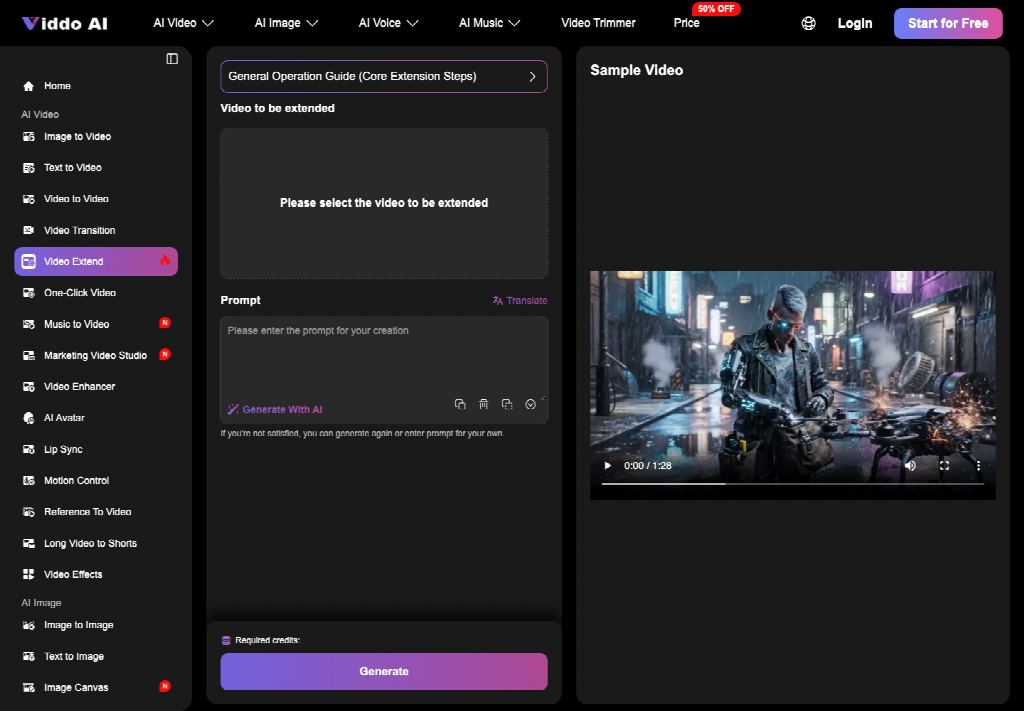
Deploying an ai video maker for quick contextual highlights requires realistic performance expectations. When an asset only needs gentle atmospheric movement, such as drifting clouds above an urban skyline or traffic flowing past an office tower, lightweight rendering delivers reliable consistency. The desk obtains an engaging motion banner without exhausting computational reserves intended for flagship investigative features.
Matching Motion Density To Broad Social Consumption
Social feeds prioritize immediate emotional resonance over typographic precision. Mobile viewers scroll rapidly, spending only three to four seconds with an asset before deciding whether to read the attached article. Under these viewing conditions, subtle visual imperfections in background textures rarely diminish reader comprehension or brand credibility.
Veo 3.1 Lite operates effectively in this rapid turnaround environment. Because the generation cost sits as low as $0.0575 per video, editors can commission multiple contextual clips across developing coverage without seeking budget approval. If an editorial angle changes during the afternoon news cycle, retiring a lightweight cut incurs minimal financial loss, allowing the social team to pivot instantly.
Furthermore, rapid turnaround times enable digital producers to publish motion assets alongside breaking updates. Instead of overspending on secondary sidebars, editors commission lightweight highlights suited to fast social feeds. This responsiveness keeps general interest magazines competitive across fast-moving algorithmic channels.
Selecting The Heavier Architecture For Structural Detail
In contrast to ephemeral social banners, analytical feature articles require visual companions that directly reinforce reported data. When a business piece explains macroeconomic shifts or regional energy consumption, any motion graphics embedded within the article should sit beside verified numbers. An illegible axis label or confusing diagram figure undermines months of meticulous reporting.
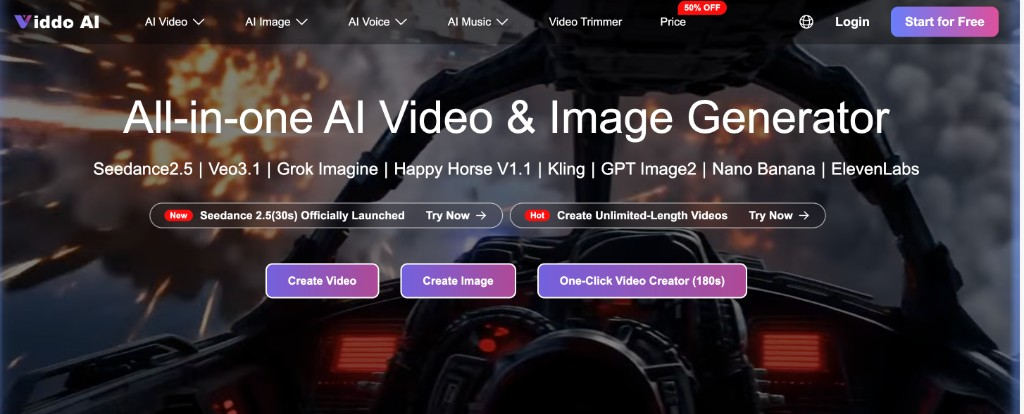
Seedance 2.0 represents the higher listed tier for these demanding placements. With pricing listed as low as $0.345 per video, the desk treats this floor as a deliberate budget choice for core analytical coverage. Production desks reserve this tier for sequences that sit right beside reported findings.
Maintaining Clean Visual Hierarchy Under Heavy Inspection
Long-form readers examine embedded multimedia assets with critical scrutiny. They pause playback, inspect graphic callouts, and cross-reference visual displays against adjacent article paragraphs. If an image-to-video transition softens technical markers or blurs labeled diagrams, reader trust erodes immediately.
On Viddo AI, choosing between published models allows editors to allocate budget where scrutiny is highest. An editor paying for the $0.345 tier makes a conscious decision to fund primary explanatory assets rather than treating all story cards equally. The desk spends more on the central feature because readers pause and study every element adjacent to the reporting.
Senior art directors therefore designate Seedance 2.0 as the preferred selection for investigative series, data visualizations, and editorial deep dives. Paying $0.345 per video is exactly six times the $0.0575 rate of the entry tier, an arithmetic difference that shapes how monthly credits are spent across the department.
Preventing Costly Rework On Critical Technical Visuals
Submitting an inappropriate cut to senior editors invariably triggers expensive rework. When an art director rejects a sequence because it clashes with the accompanying text, staff must adjust prompt parameters and consume additional credits. An afternoon wasted on repeated attempts to use the wrong tier costs more in staff time than choosing the intended floor from the start.
Experienced desk managers calculate overall production costs by factoring in review cycles and deadline delays. Paying $0.345 upfront for an asset that clears editorial review on the initial pass represents genuine operational economy. The goal is predictable first-take acceptance, ensuring that production schedules remain synchronised with printing and digital publishing windows.
When writers and designers share a common understanding of these tier capabilities, project handoffs proceed smoothly. Technical briefs clearly specify model routing requirements, reducing editorial friction and eliminating misunderstandings regarding deliverable quality.
In practice, visual editors audit draft sequences against high-resolution still exports before signing off on final publication. If a motion sequence causes text elements to jitter or distorts key diagram boundaries, the file is promptly flagged for review. Catching visual inconsistencies prior to site syndication protects the publication’s reputation for dependable reporting and prevents awkward post-launch retractions.
Where This Tool Still Needs A Careful Editorial Check
The cheaper floor is intended for simple atmospheric movement, while the higher floor is where the desk places clips that accompany reported charts. If a chart has small type, do not send it through the cheaper floor and hope for the best; still read the numbers yourself before publishing. Software does not verify factual accuracy, so editorial staff must inspect every label against the text.
Establishing Sensible Routing Standards Before Commissioning Motion
Building a sustainable generative motion workflow requires clear protocol over creative impulse. Newsrooms succeed not by adopting every new visual effect, but by standardizing repeatable production decisions. When every team member recognizes whether an assignment calls for lightweight social treatment or heavy analytical rendering, daily publishing proceeds without administrative logjams.
Viddo AI supplies the necessary operational flexibility through distinct generation floors. Editorial leaders can protect production budgets without compromising visual storytelling, provided they enforce disciplined routing from assignment to final export. Reviewing assets against publication requirements ensures that every credit spent directly advances reader understanding.
Ultimately, disciplined media organizations treat generative tooling as an extension of their standard publishing pipeline. By aligning computational expenses with channel-specific audience expectations, modern desks maintain exceptional editorial velocity while preserving vital operating margins.
