


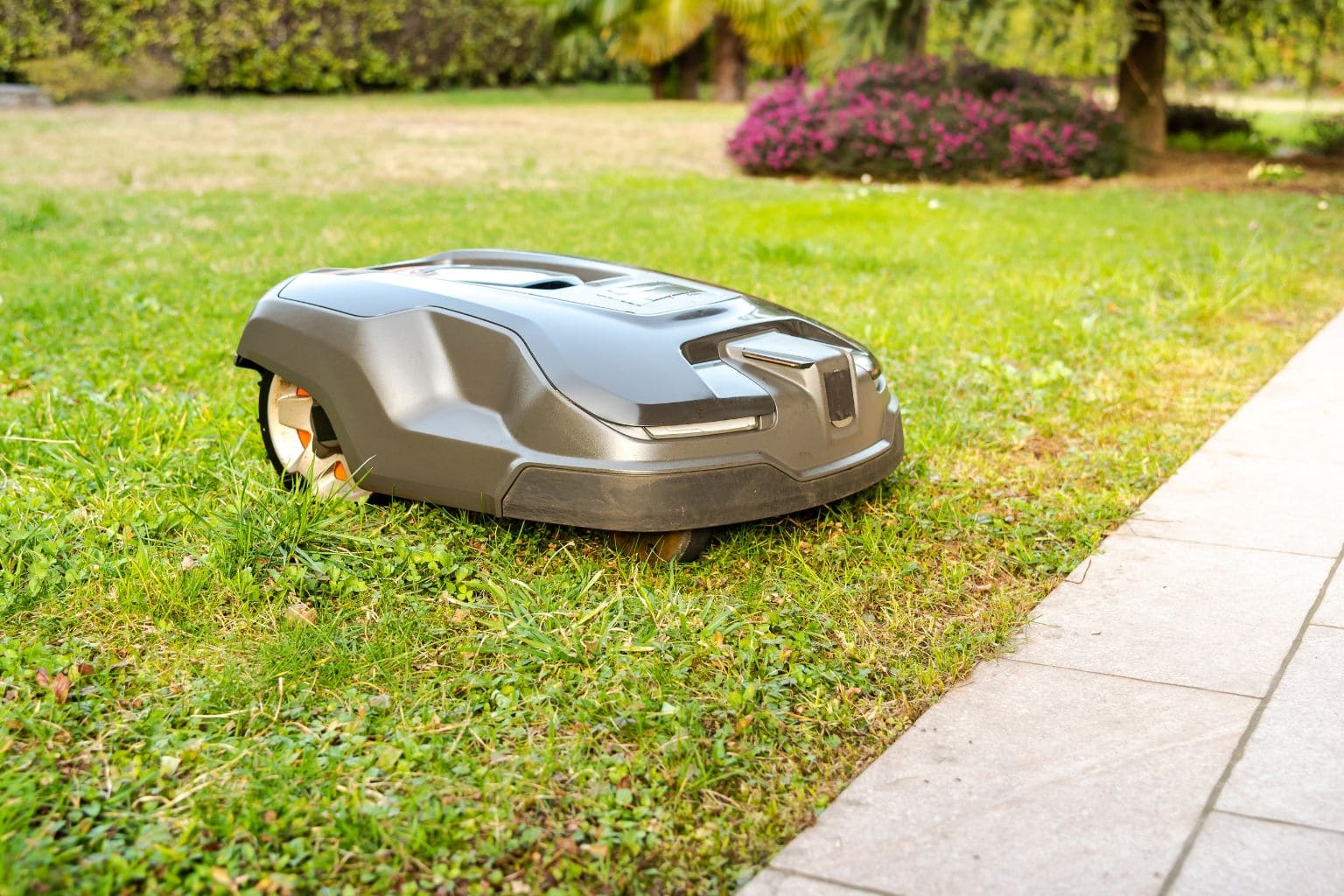
Smart home technology has transformed everything from lighting and security to appliances, and lawn care is no exception. Today’s robotic mower is far more advanced than the early models introduced a decade ago. Modern units can navigate complex landscapes, return to their charging stations automatically, adapt to changing grass conditions, and maintain a consistently healthy lawn with minimal homeowner involvement.
After spending more than 15 years evaluating residential lawn equipment and outdoor power technology, I’ve found that buyers often focus on flashy features instead of the capabilities that truly improve long-term performance. Before investing in a robotic mower, it’s important to understand which technologies genuinely enhance mowing efficiency, reliability, and ease of ownership.
This guide explores the features that matter most, helping you choose a robotic lawn mower that fits your property’s layout, maintenance goals, and budget.
Table of Contents
Why Robotic Lawn Mowers Are Changing Residential Lawn Care
Traditional mowing requires dedicated time every week during the growing season. A robotic mower changes that routine by mowing frequently in smaller increments, allowing grass to remain healthier while reducing visible clippings.
Compared with conventional lawn mowers, robotic models offer several advantages:
- Consistent mowing schedules
- Lower operating noise
- Reduced physical effort
- Automatic charging
- Lower routine maintenance
- Zero direct exhaust emissions during operation
Instead of cutting large amounts of grass once each week, robotic mowers continuously maintain an even lawn height, which promotes healthier turf over time.
Intelligent Navigation Systems Make the Biggest Difference
Navigation technology is one of the most important features separating entry-level robotic mowers from premium models.
Look for systems that support:
- Systematic mowing patterns
- GPS-assisted navigation
- Multi-zone management
- Obstacle detection
- Efficient route planning
- Automatic return-to-charge functionality
Advanced navigation minimizes unnecessary overlap, helping the mower cover the lawn more efficiently while conserving battery life.
Battery Runtime Should Match Your Lawn Size
Battery capacity directly affects how much area a robotic mower can maintain before returning to recharge.
As a general guideline:
Small Lawns
Properties up to one-quarter acre typically require shorter runtime and smaller battery systems.
Medium Residential Lawns
Lawns between one-quarter and one-half acre benefit from longer runtime and more efficient navigation.
Larger Residential Properties
Larger yards require higher-capacity batteries, intelligent charging schedules, and efficient route planning to maintain consistent coverage.
Runtime alone doesn’t tell the whole story. Efficient navigation often contributes just as much to overall productivity as battery capacity.
Smart Connectivity Improves Everyday Convenience
One of the greatest advantages of modern robotic mowers is remote management.
Useful smart features include:
- Smartphone app control
- Wi-Fi or Bluetooth connectivity
- Scheduling adjustments
- Remote start and stop
- Software updates
- Maintenance alerts
- Weather-based scheduling
These features allow homeowners to manage lawn care even when they’re away from home.
Obstacle Detection and Safety Systems Protect Your Landscape
A robotic mower spends hours operating independently, making safety technology essential.
Important features include:
- Lift sensors
- Tilt sensors
- Collision detection
- Emergency stop controls
- Automatic blade shutdown
- PIN-code theft protection
These systems help protect children, pets, landscaping, and the mower itself during everyday operation.
The U.S. Consumer Product Safety Commission (CPSC) provides additional guidance on safe operation of consumer lawn equipment:
https://www.cpsc.gov
Cutting Width and Height Adjustment Influence Lawn Appearance
Cutting width determines how efficiently the mower covers open areas, while adjustable cutting height allows seasonal flexibility.
Most homeowners benefit from models offering:
- Multiple cutting height settings
- Easy adjustment controls
- Consistent clipping distribution
- Fine mulching performance
Frequent mowing combined with fine mulching naturally returns nutrients to the soil, reducing the need for bagging.
Robotic Mower vs. Traditional Riding Mower
Understanding the strengths of each option helps buyers choose equipment that fits their maintenance routine.
| Feature | Robotic Mower | Riding Mower |
| Operation | Autonomous | Operator required |
| Noise | Low | Moderate to High |
| Charging | Automatic | Manual fueling or charging |
| Maintenance | Minimal | Moderate |
| Lawn Appearance | Continuous maintenance | Weekly mowing |
| Best For | Routine lawn care | Large or overgrown lawns |
Many homeowners appreciate robotic mowers because they eliminate the need to dedicate an entire afternoon to mowing.
How to Choose the Right Robotic Mower in Five Steps
Before purchasing, consider these questions:
- How large is your lawn?
- Does your yard include multiple mowing zones?
- Are there steep slopes or narrow passages?
- Do you want smartphone control?
- Is theft protection important?
Matching these factors to the mower’s capabilities results in a much better ownership experience.
Common Mistakes Buyers Make
Even experienced homeowners sometimes overlook key details.
Avoid these common mistakes:
- Buying based solely on battery size.
- Ignoring navigation technology.
- Choosing a mower too small for the property.
- Overlooking slope capability.
- Forgetting software update support.
- Underestimating the value of app-based scheduling.
Long-term satisfaction usually depends more on intelligent navigation than maximum battery capacity alone.
Expert Tips for Better Performance and Longer Equipment Life
After years of testing lawn equipment, I’ve found these habits make a noticeable difference:
- Keep blades sharp for cleaner cuts.
- Clean the underside of the mower regularly.
- Update firmware whenever available.
- Inspect boundary wires periodically if applicable.
- Remove sticks and debris before scheduled mowing.
- Adjust mowing height gradually throughout the growing season.
These simple maintenance practices help maximize performance while extending the mower’s lifespan.
Trusted Resources for Lawn Equipment Safety and Turf Care
For additional information on lawn equipment safety and environmentally responsible lawn maintenance, consult these trusted organizations:
- U.S. Consumer Product Safety Commission (CPSC): https://www.cpsc.gov
- U.S. Environmental Protection Agency (EPA): https://www.epa.gov
These organizations provide practical information on equipment safety, sustainable landscaping, and responsible outdoor equipment use.
Frequently Asked Questions
Are robotic mowers suitable for large residential lawns?
Yes. Many modern robotic mowers are specifically designed for medium and large residential properties, using intelligent navigation and automatic charging to maintain consistent mowing schedules.
Can robotic mowers handle slopes?
Many models can safely manage moderate slopes, although maximum incline capability varies by manufacturer. Always compare specifications with your property’s terrain.
Do robotic mowers work in the rain?
Some models include rain sensors that pause mowing and return to the charging station, while others continue operating in light rain. Weather responsiveness depends on the specific model.
How often should robotic mower blades be replaced?
Blade replacement depends on lawn conditions and usage, but many homeowners replace blades every few months to maintain clean, healthy cuts.
Is a robotic mower worth the investment?
For homeowners seeking consistent lawn appearance, reduced maintenance effort, and automated mowing, a robotic mower often delivers excellent long-term value while saving considerable time throughout the growing season.
Final Thoughts
The best robotic mower isn’t simply the one with the largest battery or the longest list of smart features. It’s the model that combines intelligent navigation, dependable battery performance, effective safety systems, and user-friendly controls to match the unique needs of your property.
By focusing on navigation technology, runtime, connectivity, cutting quality, and long-term reliability instead of marketing claims alone, you’ll invest in a robotic mower that delivers healthier grass, greater convenience, and years of dependable automated lawn care.
