


Big furniture gets most of the attention. Sofas, dining tables and beds tend to dominate the budget, the floor plan and the decision-making.
But once those pieces are in place, it’s often the smaller items that make a room feel properly finished.
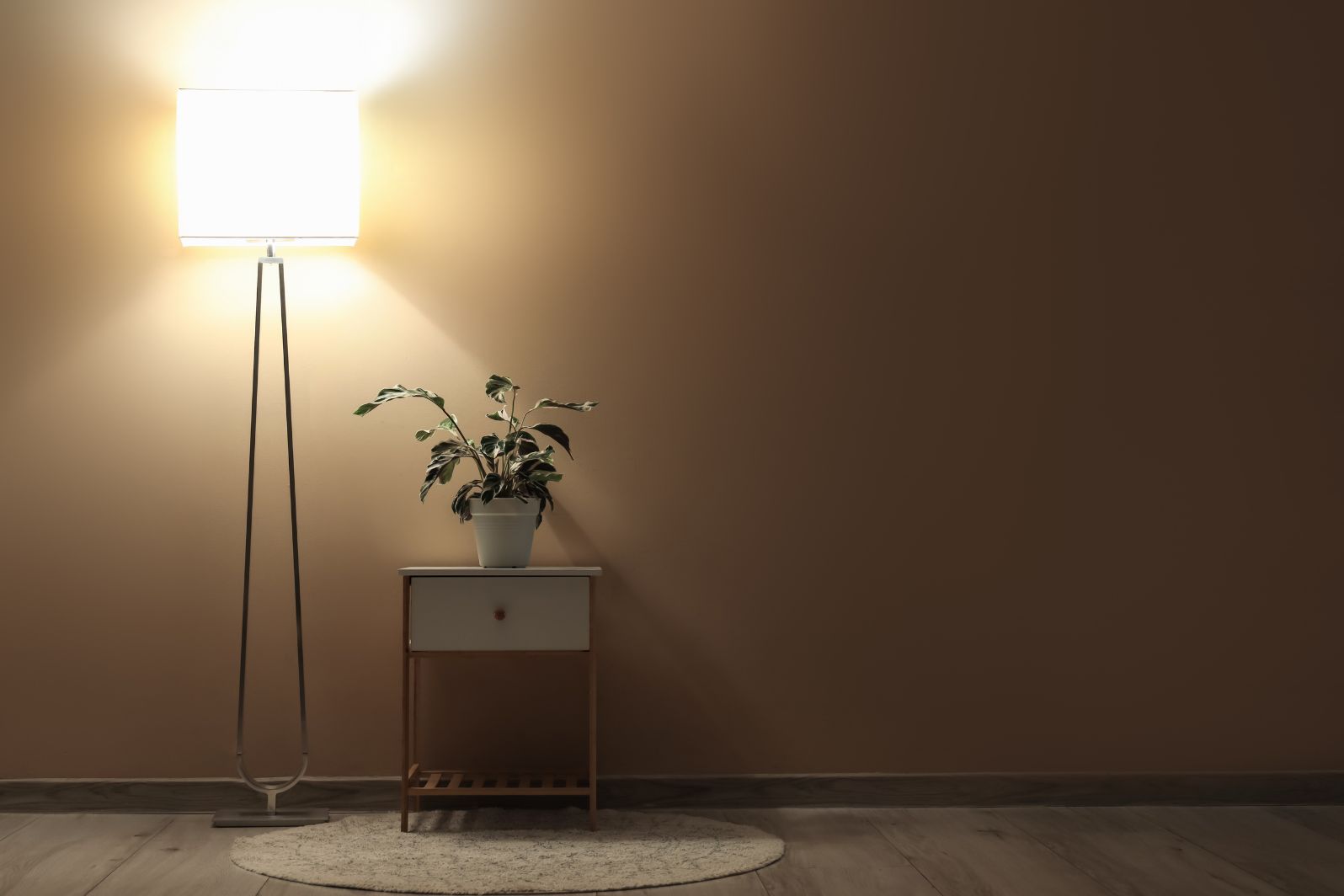
A pair of well-chosen lamp side tables can add balance, storage and visual interest without taking over the space. They’re a good example of the kind of furniture that seems optional right up until you realise how much more useful the room becomes with it.
Table of Contents
Side Tables Solve More Problems Than You Think
Where does the coffee cup go?
What about the book you’re halfway through, the reading lamp, your glasses, the remote, the phone charger or the glass of water you don’t want sitting on the floor?
A side table gives all of those everyday objects a home.
That sounds minor, but rooms tend to feel calmer when the practical stuff has somewhere to land. Instead of clutter migrating onto sofa arms, windowsills or the nearest dining chair, there’s a surface exactly where it’s needed.
They Can Correct an Awkward Layout
Small furniture can also help with proportion.
A large sofa sitting by itself can look visually heavy, especially in a spacious room. Adding a side table at one end helps break up the mass and creates a more deliberate composition.
The same idea works beside an occasional chair, between two armchairs or in a corner that feels slightly empty but doesn’t need another substantial piece of furniture.
You’re not filling space for the sake of it. You’re giving the room a better rhythm.
Matching Isn’t Mandatory
One of the easiest ways to make a room feel more interesting is to stop assuming every piece needs to come from the same furniture range.
Side tables are perfect for introducing a different material or shape.
If the room already contains lots of timber, a metal or stone-look table can add contrast. If everything feels angular, a round table can soften the overall look. A darker finish can ground a pale room, while something lighter can keep a compact space from feeling too heavy.
Because the piece is relatively small, you can afford to be a little more adventurous.
Scale Matters More Than People Expect
A side table that’s too low can be annoying to reach. One that’s much taller than the sofa arm can look awkward and feel intrusive.
Before buying, compare the table height with the furniture it’ll sit beside.
Width matters too. A tiny table next to a large modular sofa can look lost, while an oversized design can crowd the walkway.
This is one of those purchases where a measuring tape saves a lot of guesswork.
The Finishing Layer Is What Makes a Room Feel Lived In
The major furniture pieces make a room functional. Smaller pieces make it comfortable.
Side tables, lamps, stools, benches and occasional furniture help connect the practical and decorative parts of a space. They create places for daily habits while also giving you opportunities to introduce texture, contrast and personality.
You don’t need many of them.
Sometimes one small table in exactly the right spot does more for a room than another large piece ever could.
