


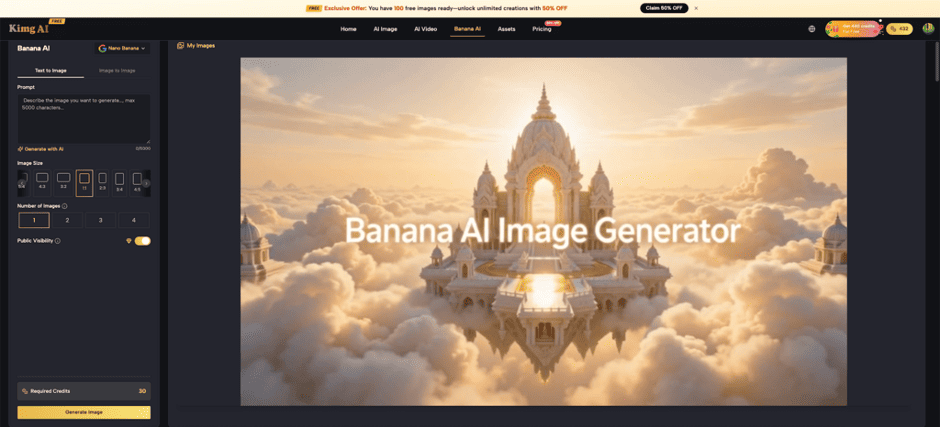
A strong AI short film rarely comes from one tool alone. The most reliable setup is a three-part workflow: use ChatGPT or Claude to shape the story, use Banana AI on Kimg AI to lock the visual identity, and finish the piece in CapCut or with ElevenLabs for pacing, voice, and sound design.
That sequence works because each tool handles a different job well. Text tools are excellent at story structure, but once character continuity, lighting, and shot consistency matter, the visual stage needs a model family built for image creation and editing rather than text-only planning.
Table of Contents
I. Why the Three-Tool Method Works
- One tool should not carry the whole film
A short film asks for three different kinds of decisions: narrative, visual identity, and final presentation. Trying to force all three into one tool usually creates weak shots, uneven characters, or edits that feel disconnected.
- Story comes first, but story is not enough
ChatGPT and Claude are excellent starting points for outlines, scene beats, dialogue options, and storyboard logic. They help turn a loose idea into a clear sequence before any image is made.
- The middle stage decides whether the film feels coherent
This is where many projects fall apart. When the same face, costume, mood, and scene lighting do not hold across shots, even a beautiful clip feels broken. That is exactly why the visual lock stage matters more than many creators expect.
II. Step One: Build the Script and Shot Plan
- Use text tools for structure, not for final visuals
At the concept stage, ChatGPT or Claude can map the film’s spine: premise, scene order, emotional beat, and shot purpose. That makes them ideal for script drafting and storyboard notes, especially when the goal is clarity before production begins.
- Finish the brief before image generation starts
The handoff to visuals should happen only after the core details are fixed: protagonist look, location mood, camera style, and the emotional tone of each scene. A better brief creates better images.
- Prepare prompts like a director, not like a guesser
Instead of writing vague requests, define what the camera should see. A useful shot brief usually includes subject, setting, lighting, composition, and the action that must remain consistent from frame to frame.
III. Step Two: Let the Visual Anchor Take Over
- Text tools stop where image control begins
Once the work moves from “What is the story?” to “What exactly does the lead look like in scene three?”, pure text tools lose their advantage. That is the moment when Kimg AI becomes essential, because its Banana AI page is built for text-to-image and image-to-image creation rather than story planning.
- Banana AI is not one flat model
The strength of this workflow is that Banana AI on Kimg AI is presented as a model family rather than a single one-note tool. The official product structure highlights Nano Banana, Nano Banana 2, and Nano Banana Pro as separate options within the same broader creative system.
- The visual lock happens before the video stage
Banana AI is especially useful at the stage where a project needs stable character design, scene tone, and image consistency. It works as the visual anchor before motion, editing, and sound are added later in the pipeline.
IV. What Makes Banana AI Useful for Short-Film Continuity
- It handles more than prompt-only generation
Banana AI supports both text-to-image and image-to-image workflows. That means a creator can begin from scratch or upload a visual reference and guide the result with written instructions.
- It gives room for controlled direction
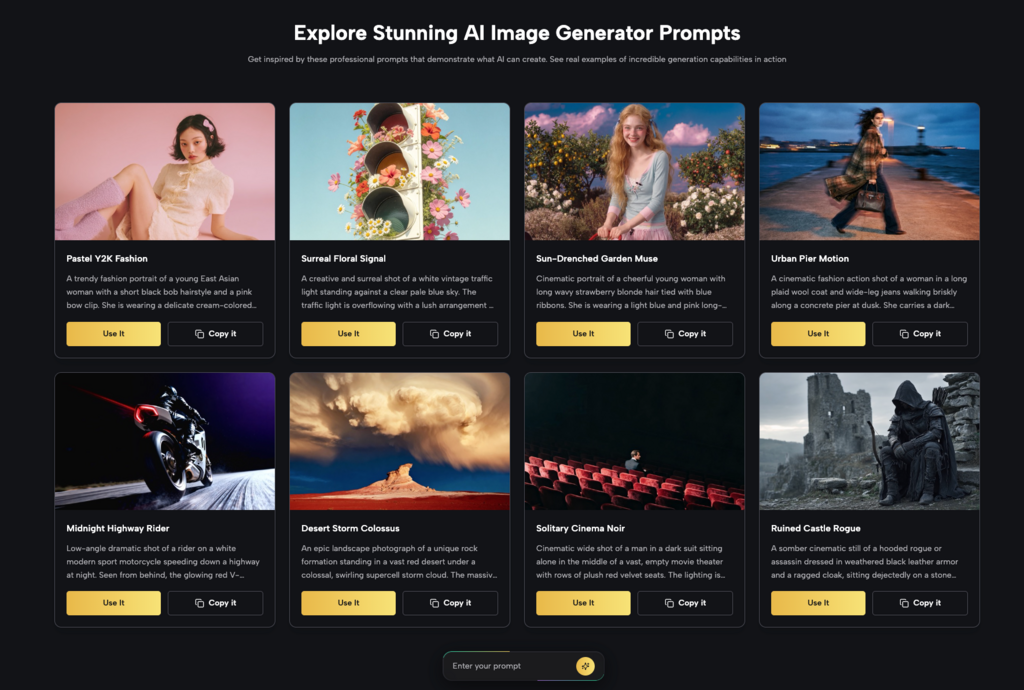
Prompt space matters when building scenes with a clear mood and repeatable details. Banana AI gives creators enough flexibility to describe framing, atmosphere, costume, lighting, and subject behavior with precision.
- It is built for editing, transfer, and composition
This is where Banana AI becomes more than a basic generator. Banana AI Image, Banana AI Image Generator, and Banana AI Image Editor all point to the same practical strength: helping creators hold one visual language across multiple frames instead of producing disconnected shots.
V. Choosing the Right Model Inside Kimg AI
- Nano Banana works well for focused reference control
Nano Banana is a strong fit when consistency matters most. On the page, it supports up to 4 reference images, which is useful for holding onto a character face, wardrobe direction, or lighting mood across a sequence.
- Nano Banana Pro offers more room for heavier reference input
For projects that need broader visual guidance, Nano Banana Pro supports up to 8 reference images. That extra range can help when a short film requires tighter control over styling, setting, props, and recurring subjects.
- Nano Banana 2 gives the widest reference capacity in the family
Nano Banana 2 supports up to 13 reference images, making it the most flexible option for creators who want richer input before generation begins. The image quality on the page goes up to 4K, which is more than enough for high-quality short-film assets, concept frames, and polished key visuals.
A useful rule is simple: script with text tools, lock the look with Banana AI, then move to video only after the stills feel stable. That is why Banana AI Image Maker fits the center of the workflow so well. It turns a loose visual idea into something consistent enough to survive editing, motion, and sound.
VI. Step Three: Finish the Film with Editing and Sound
- CapCut gives the images rhythm
After the core visuals are generated, an editor like CapCut can handle pacing, cuts, transitions, subtitles, and timing polish. The value here is not complexity. It is control over flow.
- ElevenLabs adds the missing voice layer
A short film often feels unfinished until voice and sound mood arrive. ElevenLabs is a strong option for narration, character voice, or tonal glue between scenes.
- The loop closes cleanly when each tool stays in its lane
This is what makes the three-part setup so effective. Text tools shape the idea, Banana AI secures the visual identity, and post-production tools turn the material into a finished viewing experience.
VII. Closing Thoughts
The best AI short films do not come from chasing one miracle tool. They come from using the right tool at the right moment: ChatGPT or Claude for the script, Banana AI on Kimg AI for visual consistency, and CapCut or ElevenLabs for the last layer of polish.
That is the real golden triangle. The first side gives the story a skeleton, the second gives the film a face, and the third gives it pace and voice. When the middle step is handled by a visual system that supports generation, editing, reference-based control, and multiple Nano Banana model options, the whole short film stands on much firmer ground.
