


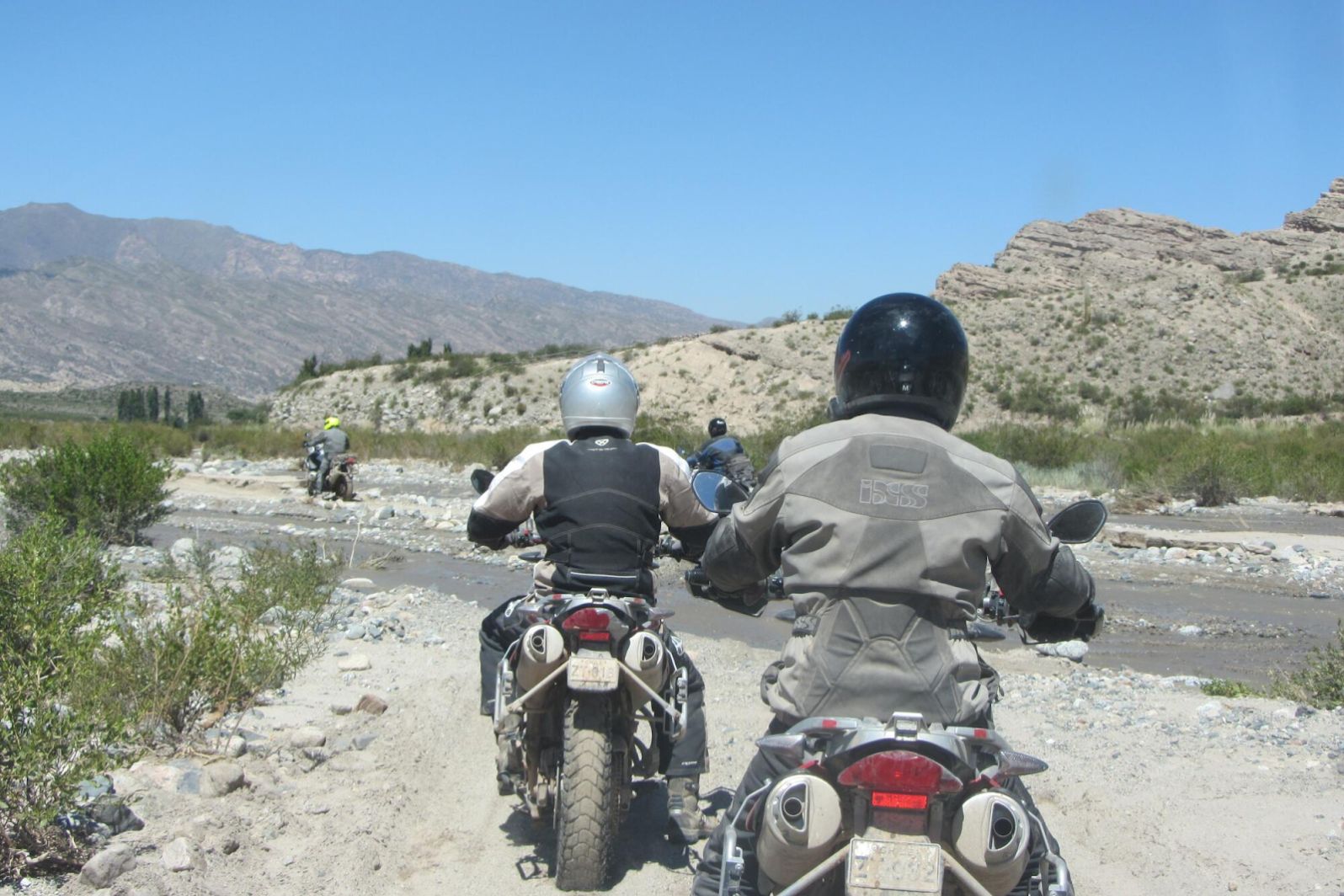
A Leh-Ladakh bike trip is usually planned well in advance, with careful attention to the route, weather, and riding conditions. The journey often involves long hours on the road, changing terrain, high-altitude passes, and remote stretches where immediate assistance may not always be available. As part of your trip preparation, it’s equally important to review your two-wheeler insurance before you set off.
Before the journey, take the time to understand what your policy covers instead of making assumptions. The protection available depends on your policy wording, the type of cover you’ve chosen, the policy schedule, and any additional covers you’ve opted for. Reviewing these details in advance can help you travel with greater confidence and avoid surprises if you need assistance during your trip.
Table of Contents
Why This Journey Calls for a Closer Look at Your Policy
A ride to Leh-Ladakh is different from everyday commuting. The route can place different demands on both the rider and the motorcycle.
Before you begin your journey, it is worth reviewing your policy more carefully. Understanding the type of cover you have, the details mentioned in your policy schedule, and any optional covers you’ve selected can help you prepare better instead of relying on assumptions.
A few things worth checking are:
- Whether your bike insurance includes own-damage cover along with the mandatory third-party liability cover.
- Whether the vehicle details mentioned in the policy are correct.
- Whether the policy remains valid for the entire duration of your trip.
- Whether your selected add-on covers are clearly listed in the policy schedule.
- Whether the claim and customer support contact details are easily accessible during your journey.
Understanding the Main Parts of Your Cover
It is always helpful to understand the key parts of your policy in simple terms. Insurance documents often contain technical language, but knowing the basics can make the rest of the policy easier to review.
Third-party liability cover protects you against legal liability if your bike causes injury, death, or property damage to a third party, subject to the policy terms. Own-damage cover provides protection for your insured bike against covered risks. The Insured Declared Value (IDV) is the value assigned to your bike for insurance purposes and is an important part of the policy. Add-on covers are optional benefits that can extend your coverage in specific ways, depending on the options you’ve selected.
For a journey like Leh-Ladakh, these terms should not remain theoretical. Review them against your actual policy documents, so you know exactly what your policy includes. This makes your bike insurance review more meaningful and helps avoid confusion if you need assistance during your trip.
Add-Ons You May Want to Review
A route like Leh-Ladakh often encourages riders to think beyond the basic structure of cover. That does not mean every add-on* is necessary. It means the trip deserves a more considered review of what may be relevant.
Some riders choose to review add-ons* such as:
- Zero depreciation cover, which may affect how depreciation is treated for certain parts during claim settlement, subject to the add-on wording
- Roadside assistance, which can be useful when travelling through less accessible stretches and may support breakdown-related situations covered under the service terms
- Engine protection cover, which may be relevant in case of damages to the engine, where such an add-on* is offered and selected
- Other optional covers, depending on the insurer’s available offerings and the policy chosen
The key point is to confirm what has actually been opted for. It is better to read the schedule than to rely on memory or expectation. If an add-on* is important to your trip planning, make sure it appears in the issued policy.
*Add-on covers are subject to payment of additional premium.
How to Approach Insurance for Off-Road Travel
Instead of assuming what is covered, take the time to check whether your policy aligns with the type of journey you are planning. If your trip involves relocating or transporting your motorcycle, it is also worth checking whether an NOC for two-wheeler is required.
Before you set off, review:
- The type of bike insurance you currently hold.
- The policy wording and schedule.
- The add-on* covers selected, if any.
- The Insured Declared Value (IDV) mentioned in the policy.
- The claims and customer support process available under your policy.
Reviewing these details in advance helps you prepare for your journey with greater clarity and ensures your decisions are based on your actual policy rather than assumptions.
*Add-on covers are subject to payment of additional premium.
Conclusion
A Leh-Ladakh ride deserves careful planning, and reviewing your bike insurance should be part of that preparation. Rather than treating your policy as just another document, take the time to understand your coverage, policy schedule, and any add-on covers you’ve selected. A few minutes spent reviewing these details before your journey can help you travel with greater confidence and avoid unnecessary surprises along the way.
*Add-ons are subject to payment of an additional premium.
The above information is for educational purposes only. For more details on the risk factor, terms and conditions, please refer to the Sales Brochure and Policy Wordings carefully before concluding a sale.
