


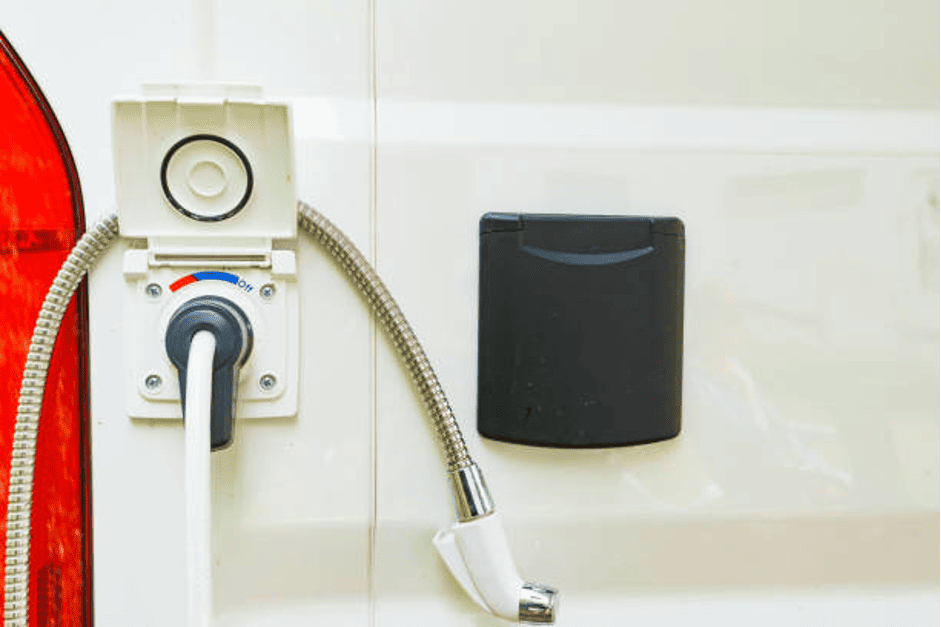
Hot water makes RV travel more comfortable, especially during long trips and off-grid camping. Whether you’re washing dishes, taking a shower, or cleaning up after outdoor activities, a reliable water heater makes daily tasks easier. Choosing the right propane rv water heater depends on your water usage, available fuel, and travel habits.
Modern RV water heaters come in several designs. Traditional tank models store heated water, while tankless systems heat water as it flows. A 42000 btu rv water heater can provide strong heating output for travelers who want hot water without relying on a large storage tank.
Understanding the differences between these systems helps you make a practical choice. Let’s look at their features, operating requirements, and installation considerations.
Table of Contents
How Propane Water Heating Works in an RV
A propane water heater uses liquefied petroleum gas to heat water. When the system detects a demand for hot water, it activates its burner. The burner transfers heat to the water through a tank or heat exchanger, depending on the design.
Many modern systems include electronic ignition and temperature controls. These features help regulate heating and reduce the need for manual operation. Some models also include safety mechanisms that stop the burner when operating conditions become unsafe.
Tank vs. Tankless RV Water Heaters: Which Is Right for Full-Time Living?
Tank water heaters store a fixed amount of hot water for immediate use. Common RV models hold around 6 or 10 gallons, although capacities vary. A 42000 BTU RV water heater can provide substantial heating capacity for travelers who prefer a familiar system and predictable hot water storage.
Tankless systems heat water as it passes through the unit. They don’t need to maintain a full tank of hot water between uses. This design can support longer showers when the system has enough heating capacity and water flow remains within its operating range.
For full-time living, the right option depends on daily routines. A tank system may suit travelers who use hot water in short bursts. A tankless model may appeal to households that need a more continuous supply.
Understanding the Heating Capacity of a 42000 BTU System
BTU stands for British thermal unit. It measures the amount of heat a system can produce. A 42000 btu rv water heater has a rated heating input of 42,000 BTU per hour.
Heating capacity affects how quickly a system can raise water temperature. However, actual performance also depends on incoming water temperature, flow rate, and heat transfer efficiency. Colder water entering the system may reduce the amount of hot water available at a comfortable temperature.
Before choosing a unit, check its flow rate and temperature rise specifications. These figures help explain how the heater performs under different conditions. A higher BTU rating alone doesn’t guarantee better performance for every RV.
Do RV Water Heaters Use a Lot of Propane?
Propane consumption depends on how often the heater operates and how much water you use. A tankless system generally burns fuel when someone opens a hot water tap. A storage tank model may use additional propane to maintain its water temperature.
Long showers, frequent dishwashing, and colder incoming water can increase fuel consumption. Your RV’s propane supply also serves other appliances, such as furnaces and cooking equipment. Tracking usage over several trips can help you understand your actual needs.
You can reduce unnecessary consumption by avoiding excessive hot water use. Fixing leaking hot water taps and choosing sensible temperature settings also helps. When camping off-grid, these small habits can make your propane supply last longer.
Is It Safe to Run a Propane Water Heater in an RV?
Propane water heaters are designed for RV use when installed and operated according to their instructions. However, safe operation depends on proper ventilation, gas connections, and regular maintenance. Never ignore unusual smells, burner problems, or warning indicators.
Keep the heater’s exhaust area clear. Check propane lines and connections for leaks using an appropriate leak detection method. Carbon monoxide detectors and propane alarms also provide important protection inside an RV.
Avoid operating the heater when its exterior exhaust is blocked. Follow the manufacturer’s instructions before using it during travel, servicing it, or restarting it after a fault.
Electric vs. Propane RV Water Heaters: Pros and Cons
Electric and propane water heaters serve different camping needs. Electric models can work well at campgrounds with reliable electrical hookups. They may also reduce propane consumption when shore power is available.
Propane models offer more flexibility when electrical hookups aren’t available. Some systems use 12V power for ignition and controls while relying on propane for heating. This setup can suit campers who spend time at remote sites.
Your choice depends on the power sources available during travel. Electric heating may put more demand on batteries or generators when you’re off-grid. Propane heating avoids some of that electrical demand but requires a steady fuel supply.
Should You Leave Your RV Propane Water Heater On All the Time?
Leaving a water heater running depends on its design and the conditions around your RV. Tank systems may cycle their burners to maintain stored water temperature. Tankless systems usually activate only when hot water flows through them.
Turning the heater off between uses can reduce unnecessary fuel consumption in some situations. It can also help when leaving the RV unattended or preparing for maintenance. Always follow the operating instructions for your particular model.
Cold weather requires extra attention. Water remaining inside the heater and connected pipes may freeze if temperatures fall low enough. Use the manufacturer’s winterization guidance instead of relying on continuous heating as your only protection.
Can Your Propane Furnace and Tankless Water Heater Compete for Flow at the Same Time?
An RV furnace and water heater may share the same propane supply. When both appliances operate, their combined demand can affect performance if the gas system isn’t properly sized.
The regulator, propane line diameter, and available supply pressure all influence gas delivery. A restricted line or inadequate regulator capacity may cause an appliance to shut down or operate poorly.
Check the specifications of both appliances before making changes. A qualified RV technician can assess the gas system if heating problems appear when several appliances run together.
What Size Propane Tank Do You Actually Need Just for a Water Heater?
The right propane tank size depends on heating capacity and daily hot water use. A compact RV with occasional shower use has different fuel requirements from a family camper with frequent showers and dishwashing.
A 42000 btu rv water heater can consume propane at a different rate from a smaller burner. Actual consumption also depends on how long the burner runs and how much heat the incoming water needs.
Consider your complete propane setup rather than calculating the water heater in isolation. Your furnace, refrigerator, and cooking appliances may share the same supply. Checking fuel levels before extended off-grid trips helps prevent unexpected interruptions.
Dual Fuel (LP/Electric) Water Heaters: How Do They Work, and Are They Worth It?
Dual-fuel water heaters use propane and electricity as separate heating sources. Some storage models allow you to select either option or operate both together. This gives RV owners more flexibility when switching between campgrounds and remote locations.
Electric heating can be useful when shore power is available. Propane provides another option when electrical hookups aren’t accessible. However, dual-fuel systems may have more components and maintenance requirements than single-fuel models.
Check whether the electric element and propane burner can operate simultaneously. Their combined heating output, electrical demand, and control settings vary by model. These details matter when planning your energy use.
Can You Replace a Propane Water Heater With a Fully Electric or Propane-Free Option?
Replacing a propane water heater with an electric model is possible in some RVs. However, the conversion involves more than removing the old appliance. You need to consider electrical capacity, plumbing connections, available space, and ventilation requirements.
Electric tankless models can demand substantial electrical power. An RV battery system may struggle to support that demand without a suitable inverter and adequate battery capacity. Storage-based electric models may offer a different balance between heating demand and hot water availability.
A propane-free setup may suit travelers who regularly use campground electrical hookups. For off-grid camping, compare the total energy requirements before making the change. A compatible replacement should also meet the RV’s installation and safety requirements.
VEVOR vs. Truma vs. Atwood vs. Dometic: How Do RV Water Heater Brands Compare?
RV water heater brands differ in their heating methods, product designs, and installation requirements. VEVOR, Truma, Atwood, and Dometic offer options worth considering for different RV setups and hot water needs. When comparing these brands, buyers should look at heating capacity, power requirements, installation dimensions, and overall practicality to find a suitable solution.
Truma offers RV heating and hot water systems, including tankless options, while Atwood remains a familiar name in older RV installations. Dometic provides traditional and on-demand water heating designs. VEVOR is also worth considering for RV owners looking for a practical water heating solution that meets their specific requirements. Reviewing its available models, features, and specifications alongside those of other brands can help buyers determine whether it offers the right combination of functionality and value for their setup.
Choosing the Right Water Heater for Off-Grid Camping
Off-grid travel requires a balance between hot water availability and limited resources. A propane system can reduce dependence on campground electricity, but it still needs a suitable fuel supply. Tankless systems also require sufficient water pressure and electrical power for their controls.
Before choosing a heater, consider how many people will use it each day. Think about the local climate, shower frequency, and available fresh water. These factors help determine whether a storage tank or on-demand system suits your camping routine.
Check the installation dimensions before purchasing a replacement. Measure the existing opening, review the gas connection requirements, and confirm the electrical specifications. Taking these steps can prevent compatibility problems during installation.
Frequently Asked Questions
How long does a propane RV water heater take to heat water?
Tank models need time to heat stored water, depending on capacity and burner output. Tankless models begin heating water as it flows through the system.
Can a propane RV water heater work without electricity?
Some portable models use battery ignition or require no external electrical connection. Many built-in RV systems need 12V power for ignition, controls, and safety functions.
Is a 42000 BTU water heater suitable for an RV?
A 42,000 BTU model can suit many RV installations. Its actual performance depends on water flow, incoming water temperature, and the system’s design.
Can I use a propane RV water heater during winter camping?
Yes, if the model and installation support the conditions. Protect the water lines and heater from freezing, and follow the manufacturer’s cold-weather instructions.
Does a tankless RV water heater provide unlimited hot water?
It can provide hot water continuously while operating within its heating and flow limits. Available propane, water supply, and incoming water temperature still affect performance.
Final Thoughts
Choosing a propane RV water heater comes down to your travel habits, available resources, and hot water requirements. Traditional tank models provide stored hot water, while tankless designs heat water on demand. Both can support comfortable RV travel when properly installed and maintained.
A 42000 btu rv water heater offers a specific heating capacity worth considering for an RV replacement. Compare its flow rate, temperature controls, power needs, and installation dimensions before making a decision. With the right setup, you can enjoy reliable hot water during campground stays and off-grid adventures alike.
