


Introduction
Owning an RV opens up a lot — road trips, family vacations, the freedom to just take off toward a lake somewhere in Ontario without much of a plan. But before any of that, there’s a piece of paperwork most first-time buyers don’t think much about until it actually matters: how the thing is insured. Whether you’re planning to hit provincial parks, chase lakeside campgrounds, or drive clear across the country, understanding your RV’s insurance is a real part of owning one responsibly, not just a box to check.
A lot of first-time buyers assume every RV gets insured the same way. It doesn’t. One of the biggest factors is something pretty simple on the surface: is the RV motorized, or is it something you tow behind another vehicle? That one distinction shapes what’s legally required, how insurers actually assess risk, what kind of policy you need, and what’s protected while you’re driving versus just parked at a campsite. Get this wrong, and you could be looking at real financial exposure you didn’t see coming.
The Two Main Types of RVs
Before shopping for insurance, it helps to know exactly which category your RV actually falls into.
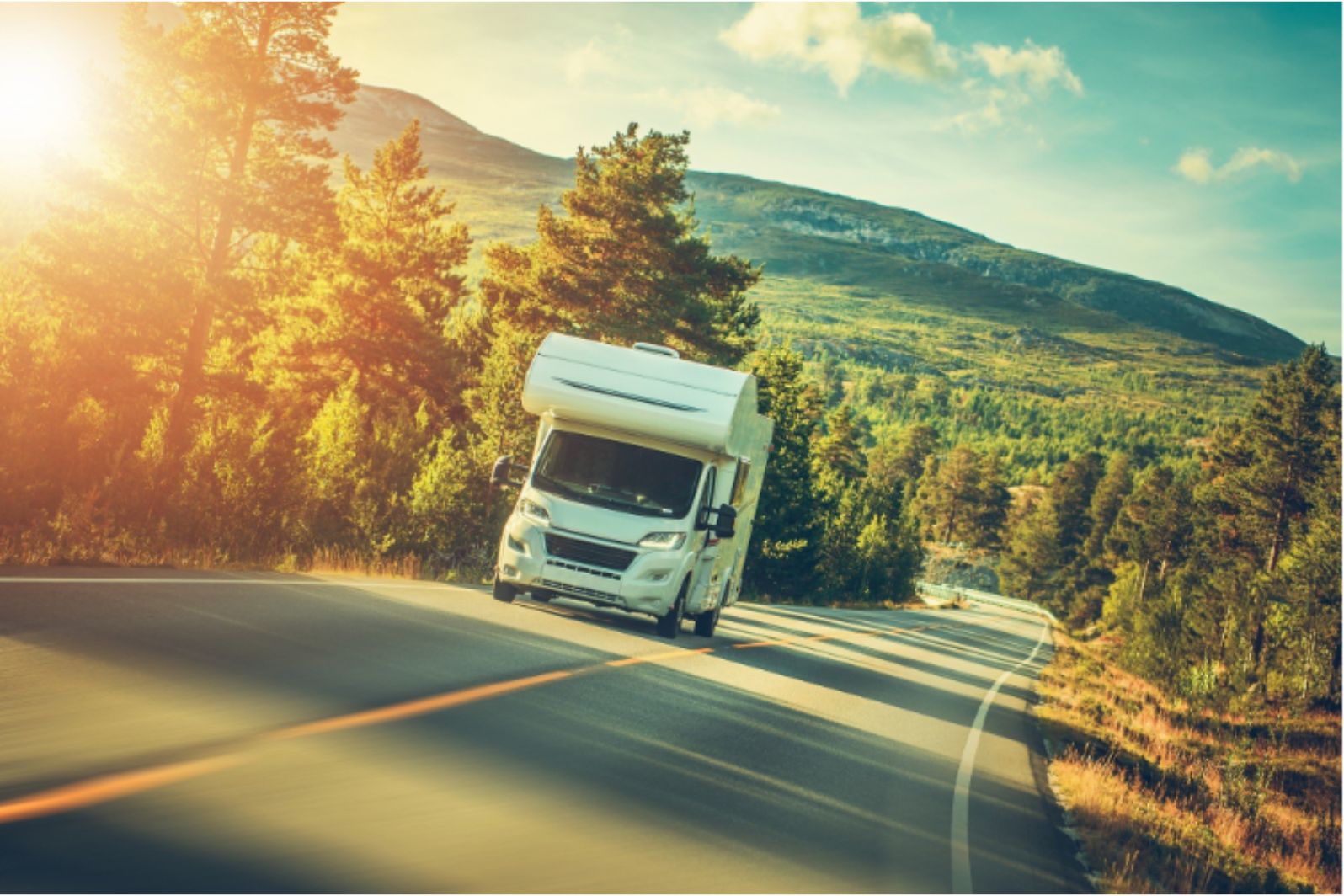
Motorized RVs
These are self-powered — they’ve got their own engine. Common examples:
- Motorhomes
- Camper vans
- Class A motorhomes
- Class B camper vans
- Class C motorhomes
Since these are driven under their own power, insurers treat them a lot like passenger vehicles in many situations.
Towable RVs
These don’t have an engine at all — they need another vehicle to pull them. Common examples:
- Travel trailers
- Fifth-wheel trailers
- Tent trailers
- Pop-up campers
- Toy haulers
Even though they serve pretty much the same recreational purpose, towable RVs come with different insurance considerations, mainly because nobody’s actually driving them independently.
Why This Distinction Actually Matters
This isn’t just a technical label — it shapes a handful of important insurance factors:
- Whether separate automobile liability insurance is legally required
- How an insurer rates the vehicle
- What risks actually get evaluated
- Which policy provides the protection you’re counting on
- Whether certain losses end up covered or not
Pick the wrong type of coverage, and you can end up with real gaps that only become obvious after something’s already gone wrong — an accident, a claim, a bad storm.
What Motorized RVs Actually Need
Motorized RVs count as motor vehicles because, well, they’re driven on public roads like any other vehicle.
Owners generally need insurance similar to what any licensed vehicle requires — liability coverage and whatever else applies. But since the RV is doubling as both transportation and a temporary living space, policies often factor in things standard auto insurance never has to consider.
Premiums tend to shift based on:
- The vehicle’s value
- Size and weight
- Driving history
- How many miles it puts on each year
- Where it’s stored when not in use
- How often it’s actually used
- Any added living equipment or accessories
Because motorhomes are transportation and accommodation rolled into one, they usually need policy features that go beyond what a normal car policy would ever cover.
What Towable RVs Actually Need
Towable RVs are a different situation entirely, mostly because they depend on another vehicle just to move.
A lot of owners assume their trailer is automatically covered in every situation simply because it’s hitched to their truck at the time. That’s not quite right. Certain liability situations might extend from the towing vehicle, sure, but that doesn’t mean the trailer itself is fully protected on its own.
Depending on the specific policy, owners may need separate coverage for things like:
- Physical damage
- Theft
- Fire
- Weather-related losses
- Personal belongings actually inside the trailer
- Permanent attachments or built-in upgrades
- Liability while parked at a campsite on vacation
What you actually need here shifts depending on the trailer type, its value, and how it’s being used day to day.
How Insurers Actually Rate These Differently
Insurance companies size up motorized and towable RVs in genuinely different ways, because the risks involved aren’t the same at all.
Motorized RVs get evaluated on driving-related factors on top of how they’re used recreationally. Since they’re operated like a vehicle, insurers look at both the vehicle itself and the person behind the wheel.
Towable RVs, on the other hand, get weighed more heavily on things like:
- Replacement cost
- How it’s actually built
- Trailer size
- What it’s typically used for
- Where and how it’s stored
- How exposed it is to theft
- Whether it’s used seasonally or year-round
This difference in rating explains why two RVs priced similarly at purchase can end up with pretty different insurance costs down the line.
Coverage Gaps Worth Watching For
A lot of insurance headaches come from owners assuming every RV works the same way under the hood, insurance-wise.
Some common assumptions that tend to backfire:
- Believing a trailer is fully covered just because it’s hooked to the tow vehicle’s insurance
- Thinking a motorhome only needs standard auto insurance and nothing more
- Assuming personal belongings inside get unlimited protection automatically
- Assuming campsite liability is always baked in
- Not bothering to declare modifications or added accessories
Any one of these assumptions can lead to a denied claim or reduced payout after an accident, theft, a bad storm, or some other unexpected event nobody plans for. It’s worth reviewing your coverage before each travel season just to make sure it still actually reflects how you’re using the RV now, not how you used it three years ago.
Seasonal Travel Adds Its Own Risks
Ontario’s busiest RV season lines up with the warmer months, which is exactly when highways and campgrounds fill up.
More travel means more exposure to things like:
- Traffic collisions
- Severe weather
- Wind damage
- Falling trees
- Theft at campsites
- Vandalism
- Wildlife encounters, which happen more often than people expect
Anyone crossing provincial or international borders should double-check that their coverage actually still applies wherever they’re headed — it’s not always automatic.
Finding Coverage That Actually Fits How You Use Your RV
No two RV owners use their rig the same way. Some take it out for a few weekends a year; others basically live on the road for months at a time.
Good coverage should reflect things like:
- Whether you’re using it full-time or just seasonally
- How often you actually travel
- Where and how it’s stored
- Any custom equipment you’ve added
- The value of personal property you carry inside
- How far and where you typically travel
Rather than assuming one policy fits every situation, it’s worth reviewing your actual needs based on the exact type of RV you own. When you’re comparing RV insurance in Ontario options, figuring out whether your RV is motorized or towable is really the first thing to sort out—everything else follows from there. Ontario RV owners can also work with an independent broker like Oegema, Nicholson & Associates to compare coverage options that actually fit the specific type of RV they’re driving or towing.
Wrapping Up
RVs come in a lot of shapes and sizes, but insurance really starts with one basic question: is it motorized, or is it towable? That one distinction shapes what’s legally required, how the policy’s structured, how risk gets assessed, and what kind of protection is actually available to you.
Treating a travel trailer like it’s a motorhome — or assuming a motorhome can get by on trailer-style coverage — can leave real gaps that only show up once something’s already gone wrong. Understanding these differences before hitting the road means Ontario RV owners can make informed decisions and actually enjoy the trip, instead of worrying about what might not be covered.
