


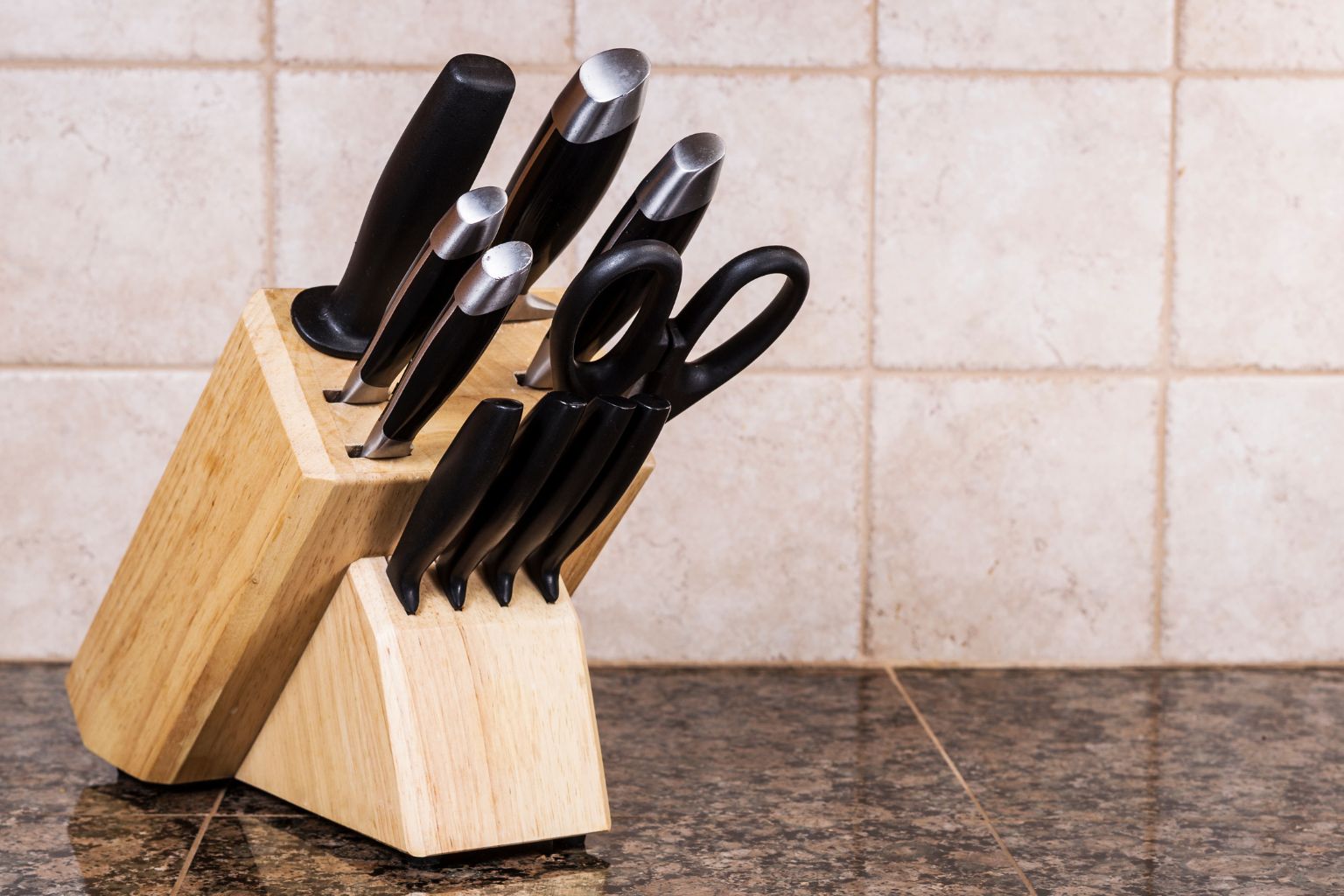
When it comes to equipping your kitchen, a quality knife set is essential. Whether you are a professional chef or an amateur cook, the importance of having the right tools cannot be overstated. Knives are among the most important instruments in any kitchen, used for everything from chopping and slicing to dicing and mincing.
Table of Contents
Understanding Different Types of Knives
Choosing a knife set is not just about having a knife; it is about having the right knives for each task. A standard knife set typically includes a chef’s knife, a paring knife, a bread knife, and a utility knife. Each type of knife is designed for specific purposes, so understanding their functions can help you make informed decisions when selecting a set.
Chef’s Knife
The chef’s knife is the workhorse of the kitchen, known for its versatility. It is ideal for chopping, slicing, and dicing various ingredients. With its broad blade, it can handle large and small jobs alike, making it a staple in any knife set.
Paring Knife
Paring knives are small with a pointed tip and are perfect for precision tasks. They are ideal for peeling, trimming, and intricate slicing tasks. The paring knife is indispensable for tasks that require attention to detail and finesse.
Bread Knife
A bread knife features a serrated edge and is designed to cut through bread without crushing it. Its saw-like blade effortlessly slices through crusty loaves and other baked goods, maintaining the integrity of the bread’s shape and texture.
Utility Knife
The utility knife is a mid-sized all-purpose knife, perfect for tasks that are too small for a chef’s knife but too large for a paring knife. It can be used for cutting sandwiches, slicing medium-sized fruits and vegetables, and other everyday tasks.
Material and Construction
When selecting a knife set, one of the key factors to consider is the material of the blades. Stainless steel is a popular choice due to its resistance to rust and stains. High-carbon stainless steel offers the sharpness of carbon steel while retaining the durable properties of stainless.
Forged vs. Stamped Blades
Understanding the difference between forged and stamped blades is also important. Forged knives are made from a single piece of metal, providing strength and durability. Stamped knives are cut from a single sheet of metal and are lighter, making them easier to handle for extended periods.
Handle Comfort and Design
The design and comfort of a knife handle should not be overlooked. Handles come in various materials such as wood, plastic, or composite, each offering different degrees of grip and comfort. A good handle should feel balanced and comfortable in the hand, reducing fatigue during prolonged use.
Knife Maintenance
Maintaining your knife set is important to ensure longevity and performance. Proper storage, regular sharpening, and cleaning are essential practices. Many knife sets come with a block or holder, which helps protect the knife blades and keeps them organised.
Sharpening Your Knives
Regular sharpening is necessary to maintain the cutting edge of your knives. Using a sharpening stone or honing rod can align and sharpen the blade edges, ensuring precision cutting every time.
Cost Considerations
The price of a knife set can vary significantly. It is important to establish a budget based on your needs and how frequently you use knives. High-end knife sets offer superior craftsmanship and longevity, while more economical sets are available for occasional use or beginners.
Conclusion
Selecting the right knife set is an investment in your culinary journey. It is not just about practicality, but also about enhancing the joy of cooking. By considering factors such as types of knives, materials, and handle design, you can find a set that meets your requirements and enhances your kitchen experience.
