


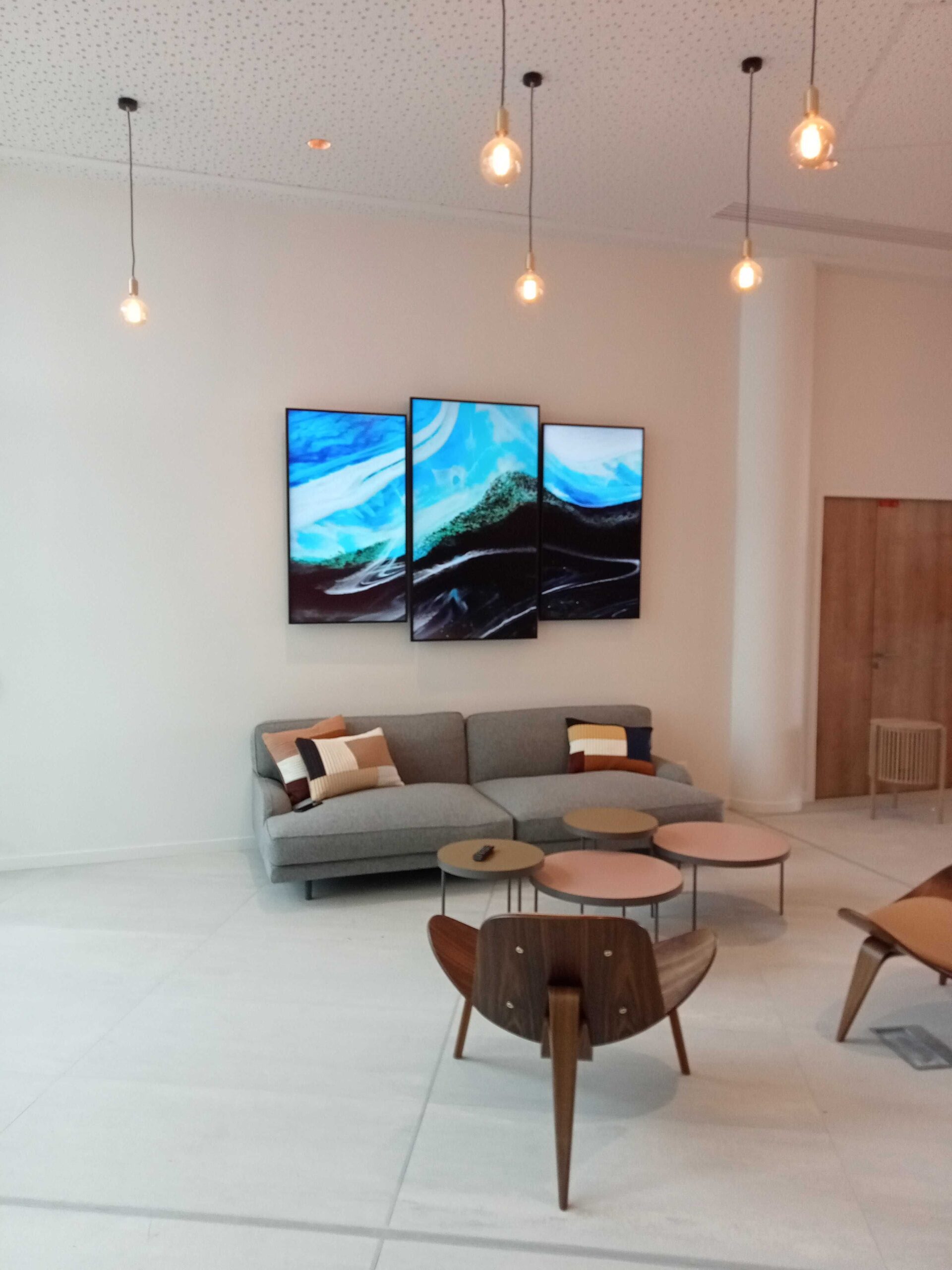
If your team still relies on printed vinyl banners or washed-out projectors, you already know how quickly static signage loses an audience’s attention. Across Canada, businesses, universities, and event producers are replacing rigid print materials with modular LED video walls that adapt to almost any room or stage.
These interlocking panels give you crisp imagery, bright contrast, and flexible dimensions whether you are outfitting a permanent campus lobby or building a touring festival stage. Understanding how modular screens work helps you make smarter visual investments.
Table of Contents
Why Are Canadian Organizations Leaving Printed Banners and Projectors Behind?
Printed signage forces your marketing and events teams into an expensive cycle of printing, shipping, and discarding single-use graphics every time your message changes. When a sponsor updates a logo or a conference schedule shifts late in the game, static foam boards become obsolete on the spot. Modular LED cabinets eliminate waste by letting you update graphics and live video feeds in seconds from a single control laptop.
Traditional ceiling projectors struggle in venues filled with natural sunlight or bright overhead lighting. Ambient glare washes out projected slides, forcing you to dim the room. Direct-view LED panels emit their own light, keeping colors rich and text sharp inside glass atriums or crowded convention halls.
Should You Choose Permanent Ownership or Short-Term Event Rentals?
Your decision between purchasing hardware and booking a production package comes down to how often you host events and whether your display stays in one room. Working with a dedicated supplier lets you buy or rent an LED screen in Canada based on your annual calendar, venue layout, and capital budget. Both options deliver seamless cabinet alignment, while each path serves a distinct operational goal.
Touring and Short-Term Event Packages
Trade show exhibitors and festival organizers rarely want the burden of storing and maintaining electronics between shows. Pricing figures compiled by Canadian LED indicate that renting a modular video wall in Canada typically runs between $1,800 and $6,000 or more per day, depending on screen dimensions and pixel density. Short-term rental packages give you modern panels for a weekend conference while shifting transport logistics onto your production partner.
How Do Pixel Pitch and Brightness Shape Viewer Experience?
Choosing the wrong panel specs can leave close-up viewers staring at grid lines or cause outdoor crowds to squint at a dim screen. Matching technical features to your physical venue guarantees every guest gets a clear view.
Pixel pitch measures the distance in millimeters between neighboring LED clusters, which directly controls image sharpness. When guests stand within 6 to 15 feet of your display in a trade show booth or boardroom, you need a tight pixel pitch between 1.5 mm and 2.6 mm. Fine-pitch panels pack thousands of diodes into each square meter so spreadsheets and product demos look smooth.
When your audience sits 30 feet or farther from a concert stage, a wider pitch between 3.9 mm and 5.9 mm delivers crisp visuals at a lower cost per square foot. Viewers at a distance blend those pixels naturally, saving your budget for a larger total canvas.
Rigging, Truss Integration, and Modular Cabinet Design
Because modular walls assemble from lightweight die-cast aluminum tiles, your crew can build flat widescreens, curved backdrops, or freestanding entrance totems from the same inventory. Safe assembly still demands careful structural planning before panels leave their road cases.
- Verify ceiling load limits: Confirm that your venue’s overhead rigging points can safely support suspended aluminum cabinets before finalizing screen height.
- Plan ground-supported frames: Use ballasted truss bases when ballrooms, campus gyms, or trade show halls lack overhead rigging beams.
- Protect front-service access: Choose magnetic front-access modules so technicians can swap individual tiles without tearing down the wall.
- Map dedicated power circuits: Separate video processor power lines from stage lighting to prevent electrical interference during live shows.
How Does End-to-End Engineering Support Simplify Live Switching?
Great hardware only performs well when your video signals move cleanly from cameras and laptops onto the screen without lag or blackouts. Full-service engineering teams handle signal processing, color calibration, and live switching so your staff can focus on running the event.
During a multi-speaker conference, an on-site engineer uses a dedicated processor to transition smoothly between keynote slides, remote presenters, and live camera feeds. Poster Booking shows that Android platforms power 65% of fresh signage networks in Mexico in 2026, pointing to a broader North American move toward flexible, software-driven screen control. Calibrated processors prevent awkward image stretching and eliminate camera flicker.
Flexible acquisition models allow your organization to deploy high-impact visual walls whether you are planning a single weekend conference or a multi-year venue upgrade. By matching pixel pitch, brightness, and engineering support to your real audience needs, you turn blank walls into dynamic communication hubs. Take stock of your upcoming events and permanent spaces today so your next display captures attention immediately.
