


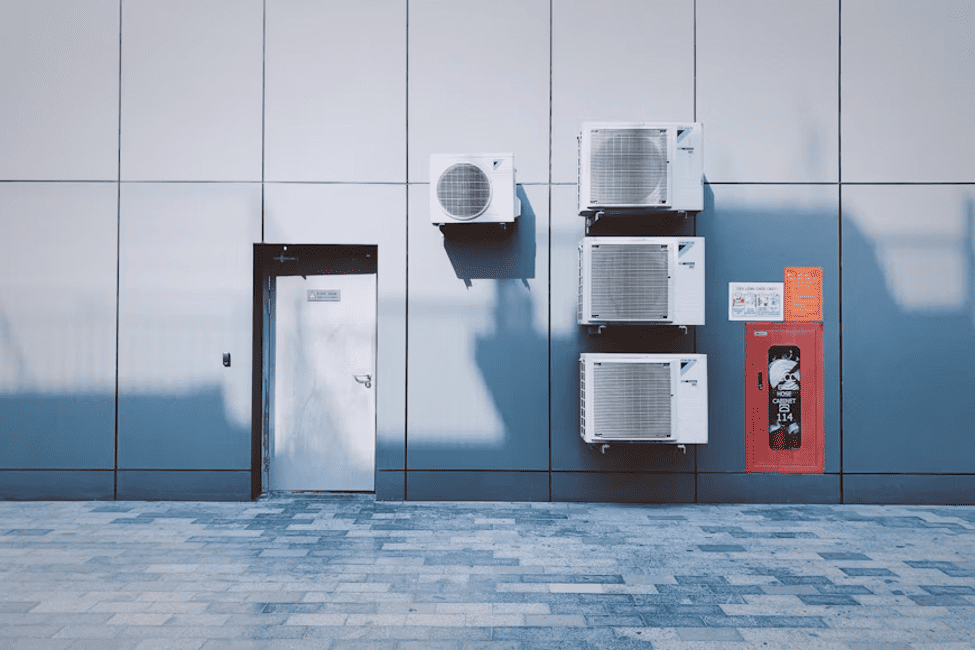
Longer summer heat waves, climbing residential electricity rates, and aging HVAC equipment are pushing your seasonal cooling bills higher every year. When an older air conditioner struggles through July and August, emergency repair bills quickly add up while your living spaces stay uncomfortably warm.
Rather than pouring money into temporary mid-summer fixes, you can take control of your home comfort with a planned upgrade. Replacing an outdated system with modern, high-efficiency equipment lowers your monthly energy demand and keeps indoor humidity in check all season long.
Table of Contents
Why Do Summer Electricity Bills Climb Faster Than Outside Temperatures?
Older central air conditioners lose mechanical efficiency as outdoor coils corrode, fan motors wear down, and aging compressors draw extra amperage to beat peak afternoon heat. Your system runs longer cycles just to reach the same thermostat setting you enjoyed five years ago.
Utility pricing compounds that mechanical strain across nearly the entire country. Data from the U.S. Energy Information Administration shows that residential electricity revenue per kilowatt-hour rose across 46 states and the District of Columbia compared with the prior August, climbing by an average of 5.1% nationwide. When higher utility rates collide with an aging condenser running 12 hours a day, even a modest drop in equipment efficiency translates into noticeably steeper monthly statements.
Which Mechanical Warning Signs Show Your Cooling System Is Struggling?
An air conditioner rarely fails without sending clear distress signals first. Catching early performance symptoms gives you time to research replacements before a heat wave leaves your household without cool air.
When upstairs bedrooms feel stifling while downstairs rooms turn chilly, your blower motor or refrigerant charge may no longer distribute cooled air evenly. Lingering indoor humidity is another telltale clue that your evaporator coil cannot pull enough moisture out of the air during normal cooling cycles.
If your outdoor unit clicks on and off every few minutes without completing a full cooling cycle, internal components face heavy electrical wear. Guidance from the University of Georgia Cooperative Extension explains that a clogged air filter blocks airflow into the system, forcing the equipment to work harder, lose energy efficiency, and risk complete breakdown. When fresh filters and clean coils fail to stop short-cycling, worn compressor valves or failing control boards are often to blame.
How Can You Vet Licensed HVAC Technicians Before Peak Heat Arrives?
Scheduling an in-home consultation during spring gives you plenty of breathing room to compare equipment tiers and upfront pricing before emergency summer calls fill local calendars. When you get an estimate here or from another qualified residential contractor, ask for an itemized proposal that separates equipment costs, labor, permits, and any ductwork modifications.
Comparing at least two written bids side by side helps you spot unusually low quotes that might skip critical steps like refrigerant line flushing or electrical upgrades. Clear documentation protects your budget and sets realistic expectations before installation day arrives.
Verify state HVAC licensing, active liability insurance, and NATE technician certifications before signing any contract. Experienced local installers inspect your electrical panel, attic ductwork, and condensate drainage lines rather than quoting a price over the phone.
How Do Stricter Refrigerant Rules Affect Aging Air Conditioners?
Federal environmental standards continue phasing out older refrigerants while transitioning new residential equipment toward lower global-warming-potential alternatives. Systems built more than a decade ago rely on legacy refrigerants like R-22 or older hydrofluorocarbon blends that face tightening production caps.
Technicians can still service existing air conditioners using reclaimed or stockpiled refrigerant supplies, but shrinking inventory drives per-pound recharge prices higher every summer. Spending $1,000 or more to patch a leaking evaporator coil on a 12-to-15-year-old unit rarely makes financial sense when newer systems deliver far better reliability and lower operating costs.
Why Does Proper Load Sizing Matter More Than Raw Cooling Power?
Buying a larger air conditioner than your home needs creates comfort problems instead of solving them. Oversized equipment blasts cold air into your rooms, satisfies the thermostat within minutes, and shuts off before removing indoor humidity.
A qualified contractor performs a room-by-room Manual J load calculation before recommending an equipment size. That engineering assessment measures your square footage, window orientation, attic insulation depth, air leakage, and local summer design temperatures. Matching cooling capacity to your home’s exact thermal load allows variable-speed or two-stage systems to run steady, quiet cycles that keep indoor air crisp and balanced.
What Should You Look for in Modern SEER2 Efficiency Ratings?
Modern central air conditioners carry Seasonal Energy Efficiency Ratio 2 ratings, known as SEER2, which measure total cooling output divided by electricity consumed across a typical season. Updated testing procedures reflect realistic static pressure inside residential ductwork far better than legacy SEER labels.
Upgrading from an aging 10 or 12 SEER unit to a modern 15 to 18 SEER2 system cuts cooling electricity consumption dramatically during peak summer months. Higher-efficiency models often qualify for local electric utility rebates or federal energy tax credits, helping reduce your net installation cost.
How Do Ductwork Sealing and Smart Controls Protect Your Investment?
Even the highest-rated outdoor condenser cannot deliver promised savings if leaky supply ducts dump cooled air into a hot attic or crawlspace. Pairing your new equipment with targeted airflow and control upgrades maximizes every kilowatt-hour you pay for:
- Seal leaky duct joints: Applying mastic sealant and foil tape to loose sheet-metal connections prevents conditioned air from escaping before reaching your living spaces.
- Insulate exposed attic runs: Wrapping uninsulated ducts in conditioned-grade insulation stops summer attic heat from warming cooled supply air on its way to bedroom vents.
- Install a smart thermostat: Connecting variable-speed equipment to a programmable smart thermostat fine-tunes fan speeds, manages indoor humidity, and trims runtime while you are away from home.
Upgrading an aging cooling system with a properly sized, high-efficiency unit lowers your summer electricity demand while improving indoor humidity control and everyday comfort. Instead of waiting for a breakdown during the hottest week of July, you can evaluate your current system’s warning signs, address ductwork gaps, and partner with a licensed technician on your own timeline. Smart planning today turns rising summer heat into a manageable, predictable expense for years to come.
