


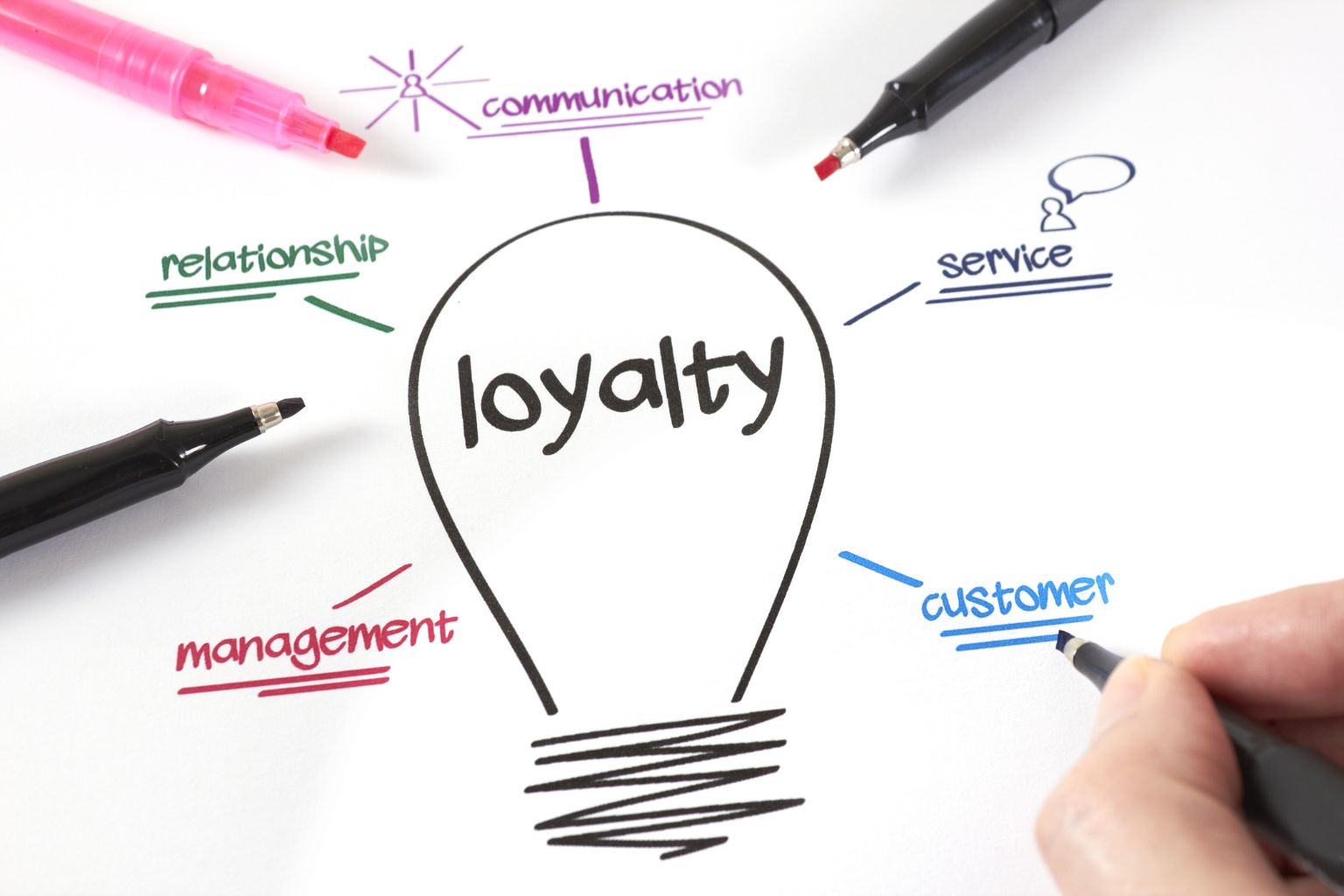
Acquiring a new customer costs five times more than retaining an existing one. Yet most businesses pour their budgets into acquisition while letting hard-won customers quietly drift away. Loyalty programs exist to close that gap, but launching one is only the beginning. The real work lies in managing it well. Poor loyalty program management is why so many programs feel stale, go unused, or get quietly shut down. This guide covers what it takes to run a loyalty program that genuinely keeps customers coming back.
Table of Contents
What Loyalty Program Management Actually Means
There’s an important distinction between launching a loyalty program and managing one. Launch is a one-time event. Management is ongoing: it’s the daily, weekly, and monthly work of keeping the program relevant, rewarding, and running smoothly. It involves monitoring engagement, updating rewards, communicating with members, analyzing performance data, and continuously improving the experience. Without active management, even the most well-designed program will stagnate.
Choosing the Right Program Structure
Before you can manage a loyalty program effectively, you need the right foundation. The most common structures include points-based programs, tiered status programs, paid memberships like Amazon Prime, and value-based programs tied to a brand mission. Hybrid models combining elements of each are increasingly popular.
The right choice depends entirely on your customers and what motivates them. A fashion retailer might thrive with a tiered program that rewards top spenders with early access and exclusive perks. A coffee shop might do better with a simple punch-card style points system. Define your goals and customer segments first, then choose a structure that serves both.
The Essentials of Day-to-Day Management
Once your program is live, consistent management is what separates thriving programs from forgotten ones. This means monitoring member engagement regularly, who is earning, who is redeeming, and who has gone quiet. It means managing reward expirations fairly and communicating them clearly so members don’t feel cheated. It means keeping the program fresh with seasonal promotions, bonus point events, and new reward options that give members a reason to stay active.
Member communication is often underestimated. Regular touchpoints, a monthly points summary, a birthday reward, a “you’re close to your next tier” nudge, keep your brand top of mind, and give members a sense of progress. These small moments of recognition build the habit of engagement that sustains a loyalty program long-term.
Personalization Is What Drives Real Retention
The loyalty programs that truly retain customers go beyond transactional rewards. They make members feel known. Using the behavioral data your program generates, you can segment members by purchase frequency, product preferences, and lifetime value, then tailor rewards and communications accordingly. A customer who buys every week doesn’t need the same offer as one who hasn’t purchased in three months.
Triggered communications are particularly powerful. An automated message when a member is close to a reward threshold, or a win-back offer when someone goes inactive, can recover relationships that would otherwise be lost. This is where loyalty program management meets personalized marketing, and where the real retention gains are made.
Measuring What Matters
Effective loyalty program management is data-driven. The key metrics to track include enrollment rate, active member rate, redemption rate, and customer lifetime value among loyalty members versus non-members. Retention rate and churn reduction are the ultimate measures of whether your program is working. Net Promoter Score among loyalty members is also worth tracking: loyal customers should be your best advocates.
ROI calculation matters too. Add up the revenue attributable to loyalty members, subtract program costs including rewards, technology, and management time, and you have a clear picture of whether your investment is justified. Most well-managed programs show strong returns; underperforming ones usually reveal gaps in engagement or reward relevance.
Common Mistakes to Avoid
The most damaging mistake in loyalty program management is the set-it-and-forget-it mentality, building a program, launching it, and assuming it will run itself. Programs that aren’t actively evolved become invisible. Other common pitfalls include overcomplicating the reward structure, which frustrates members; ignoring lapsing members until it’s too late to re-engage them; and neglecting the post-redemption experience, which is often when the emotional connection to a brand is strongest.
The Long-Term Payoff
Mastering loyalty program management is not a quick win. It’s a long-term investment in the relationship between your brand and your best customers. The businesses that do it well, that treat their loyalty programs as living, breathing systems rather than static promotions, build communities of customers who spend more, refer others, and stay longer.
Start by auditing your current program honestly. Where is engagement dropping? Which rewards aren’t being redeemed? Where are members going quiet? The answers will tell you exactly where your management efforts need to focus next.
