


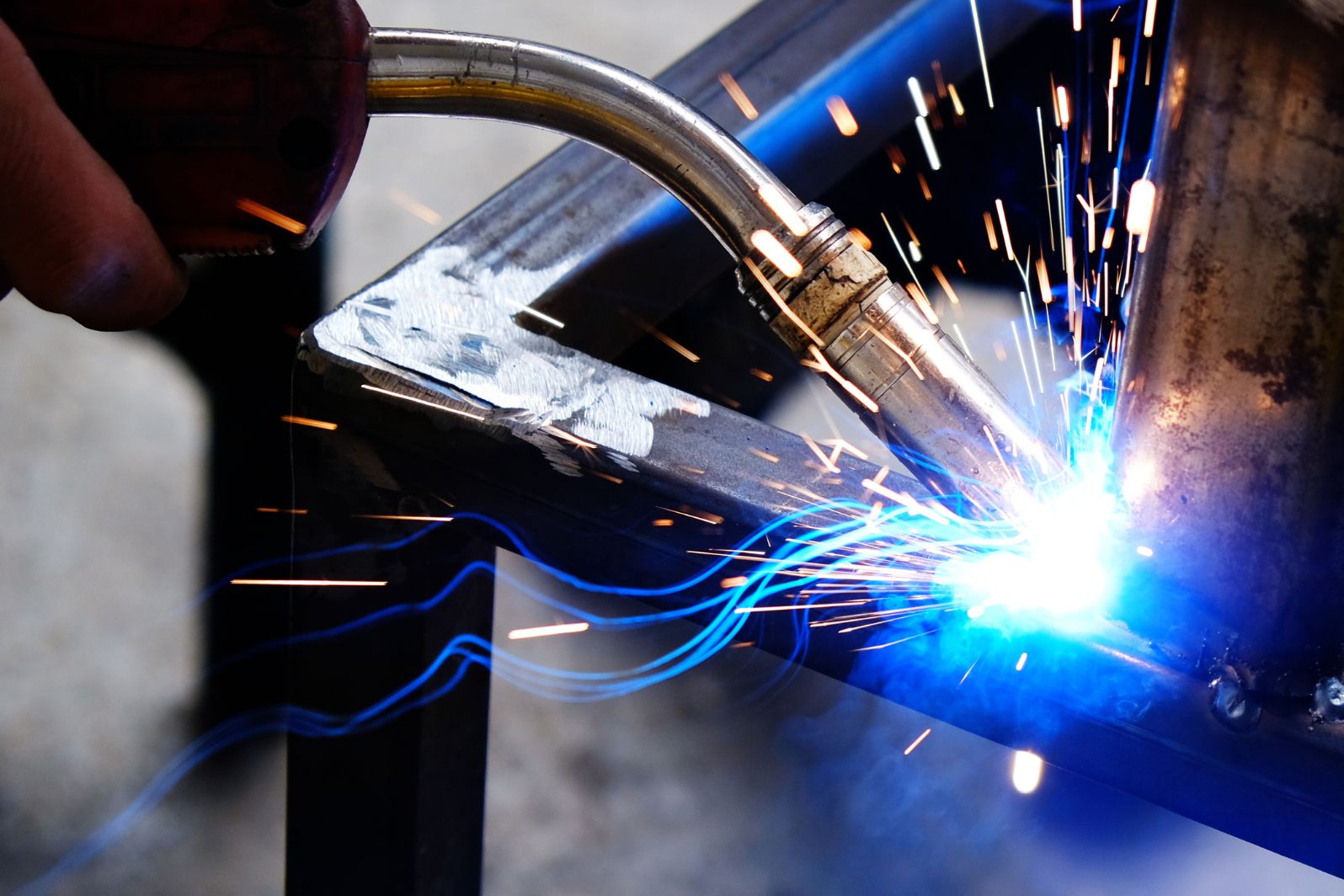
Stainless steel is widely used in fabrication because it is strong, durable and resistant to corrosion. It is commonly used in railings, kitchen equipment, storage tanks, pipelines and industrial machinery. Welding stainless steel requires the appropriate consumables to preserve these properties. Using the wrong electrode can weaken the weld, reduce corrosion resistance or cause cracks over time. Selecting the right welding rod ensures strong, reliable welds while maintaining the durability and corrosion resistance of stainless steel.
Table of Contents
What are Stainless Steel Welding Rods?
A welding rod for stainless steel is a specialised electrode designed to weld stainless steel materials. Unlike electrodes used for mild steel, stainless steel rods contain alloying elements such as chromium and nickel. These elements help protect the weld area from rust and chemical damage while maintaining the strength of the joint.
Stainless steel welding rods are commonly used in industries where corrosion resistance and durability are essential. This includes food processing equipment, pharmaceutical machinery, chemical plants and decorative fabrication work.
Using the correct electrode ensures that the weld matches the chemical composition of the base metal and performs well in different environments.
Key Factors to Consider When Choosing a Welding Rod
Choosing the right welding rod for stainless steel requires careful consideration of several factors. Welders and fabricators must evaluate the type of stainless steel, working conditions and welding requirements before selecting an electrode.
1. Base Metal Grade
The first and most important factor is the grade of stainless steel being welded. Different grades require specific electrodes to maintain the material properties.
For example:
- E308L electrodes are commonly used for welding 304 stainless steel.
- E309L electrodes are often used for joining stainless steel to carbon steel or for high-temperature applications.
- E316L electrodes are preferred when better corrosion resistance is required.
Matching the electrode with the base metal grade helps ensure the strength and durability of the weld.
2. Corrosion Resistance Requirements
One of the main advantages of stainless steel is its ability to resist corrosion. The selected electrode must support this property.
In applications such as marine equipment, chemical processing plants or food production machinery, corrosion resistance is very important. Electrodes that contain molybdenum, such as E316L, provide additional protection against corrosion and chemical exposure.
3. Welding Position
Another factor to consider is the welding position required for the project. Some electrodes are designed for flat welding, while others work better in vertical or overhead positions. The coating on the electrode plays an important role in arc stability and weld bead formation. Choosing the right electrode ensures smoother welding and better control during fabrication.
4. Mechanical Strength Requirements
Each fabrication project has different strength requirements. Structural components and load-bearing parts need stronger welds compared to decorative metal work. The electrode should provide the required tensile strength and toughness so the weld can handle stress and vibration during use. This helps improve the reliability of the final product.
5. Operating Temperature
Some stainless steel structures operate in high-temperature environments such as boilers, furnaces and industrial processing equipment. In such situations, the welding rod must be able to handle thermal stress and prevent weld cracking. Certain electrodes are specially designed to perform well in elevated temperatures. Understanding the equipment’s service conditions helps welders choose the most suitable electrode.
Common Types of Stainless Steel Welding Rods
Several types of Stainless Steel Electrodes are used in fabrication depending on the application. Many fabricators prefer sourcing these consumables from trusted brands such as Superon to ensure consistent quality and dependable performance.
- E308L: This is one of the most commonly used electrodes for welding 304 and 304L stainless steel. It provides good corrosion resistance and a smooth weld finish.
- E309L: This electrode is widely used for welding dissimilar metals such as stainless steel to mild steel. It also performs well in applications that involve higher temperatures.
- E316L: This rod contains molybdenum, which improves corrosion resistance in marine and chemical environments.
- E347: This electrode is suitable for high-temperature applications and helps reduce carbide precipitation during welding.
Selecting the right type depends on the stainless steel grade and the service conditions of the welded component.
Conclusion
Choosing the right welding rod for stainless steel is essential for strong, long-lasting and corrosion-resistant welds. Considerations like the steel grade, corrosion resistance, welding position and operating temperature play a key role in selecting the appropriate electrode. Working with trusted welding electrode suppliers ensures consistent quality and reliable performance. With the correct electrode and proper welding techniques, fabricators can achieve durable welds that stand up to demanding conditions.
