


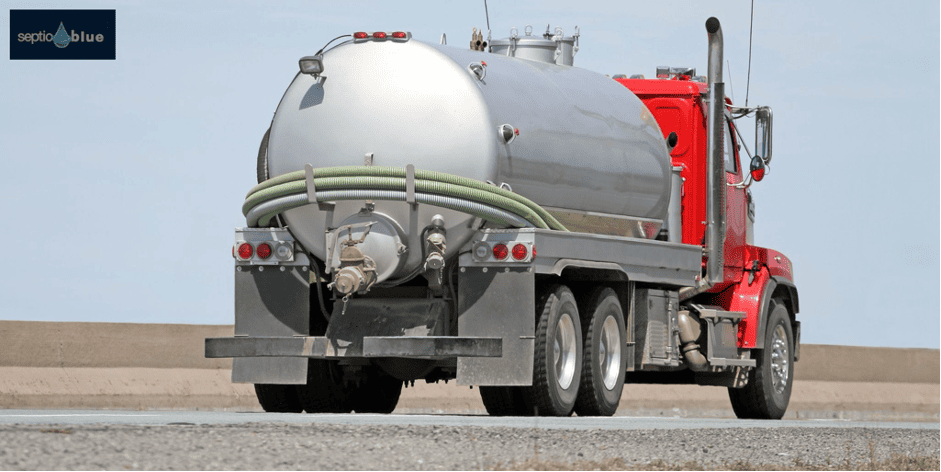
Most homeowners don’t think about their septic tank until something goes wrong. A slow drain, a gurgling toilet, or a soggy patch of lawn that smells like trouble is usually the first sign. By then, you’re often looking at an expensive repair and a few very unpleasant days.
If you live in Gwinnett County, regular septic pumping in Suwanee is one of the simplest ways to avoid that. It costs far less than the problems it prevents, and it protects more than you might expect.
Table of Contents
What Your Septic System Is Doing
Your septic tank works around the clock. Wastewater flows in, solids settle to the bottom as sludge, and grease and oils float to the top as scum. The liquid in the middle moves out to the drain field, where the soil filters it naturally.
That separation only works if the tank has room. As sludge and scum build up, the clear layer in the middle gets smaller, and wastewater has less time to settle before leaving the tank. When solids start slipping through to the drain field, trouble begins.
The Drain Field Is the Real Investment
The tank is the part people think about, but the drain field is the expensive part. Once solids clog the soil, the field can’t absorb water the way it should. Sometimes it can be rested or treated. Often it can’t, and replacement can run into the tens of thousands of dollars.
Pumping removes the buildup before it reaches that point. Think of it like changing the oil in your car. It’s a small, boring task that keeps the engine from seizing.
Protecting Your Yard and Landscaping
A struggling system doesn’t always announce itself with a backed-up toilet. Sometimes it shows up outdoors:
- Patches of unusually green, lush grass over the drain field
- Standing water or mushy ground near the tank
- A sewage smell when you walk around the yard
- Slow-draining sinks and tubs throughout the house
Those are signs of effluent surfacing or the system struggling to keep up. Left alone, it can damage landscaping and make your yard unusable. In Suwanee, where many homes sit on established lots with mature trees, roots can also work their way into pipes and tanks. A routine inspection catches that early.
Safeguarding Your Home’s Value
Anyone who has bought or sold a house with a septic system knows inspections are part of the process. A buyer’s inspector will want to know when the tank was last pumped and what condition it’s in. Documented maintenance tells them the system has been looked after. A system with no history, or obvious neglect, can stall a sale or knock thousands off the price.
Keeping a simple file of pumping dates and inspection notes costs you nothing and makes you look like a careful owner.
Protecting Your Family and Local Water
An overloaded or leaking system can release bacteria and nutrients into the surrounding soil and, eventually, into groundwater or nearby streams. Beyond the health risk to your own household, it affects neighbors and the wider community. Regular pumping keeps the system doing its job of treating wastewater before it returns to the ground.
How Often Should You Pump?
The usual guidance is every three to five years, but that’s a starting point, not a rule. The right schedule depends on:
- Household size. More people means more wastewater and more solids.
- Tank size. A smaller tank fills faster.
- Water use. Frequent laundry, long showers, and a garbage disposal all add load.
- Age and condition of the system. Older systems often need closer attention.
A household of five with a disposal will likely need pumping sooner than a couple living alone. When in doubt, have a professional inspect the tank and measure sludge levels, then set a schedule that fits your home.
Everyday Habits That Make a Difference
Pumping works best alongside good habits. A few small changes go a long way:
- Don’t flush wipes, even the ones labeled “flushable,” along with paper towels, feminine products, or dental floss.
- Keep grease, oil, and coffee grounds out of the drain.
- Spread out laundry loads through the week instead of doing them all in one day.
- Fix leaking faucets and running toilets promptly.
- Keep cars and heavy equipment off the tank and drain field.
- Go easy on harsh chemicals and bleach, which can disrupt the bacteria that break down waste.
None of this is complicated. It just takes a little awareness.
The Cost of Waiting
Putting off maintenance feels like saving money, but it rarely is. A routine pump-out is a modest, predictable expense. An emergency call, a flooded bathroom, or a failed drain field is none of those things. Planning ahead turns a potential crisis into a quick appointment on your calendar.
Final Thoughts
Your septic system is easy to ignore because it works quietly out of sight. That’s also why it deserves a little attention. Regular pumping, occasional inspections, and a few smart habits protect your drain field, your yard, your home’s value, and the water your community relies on. If it’s been a while since your last service, the best time to schedule it is before you notice a problem. The team at Septic Blue can help you set up a maintenance plan that fits your home.
