


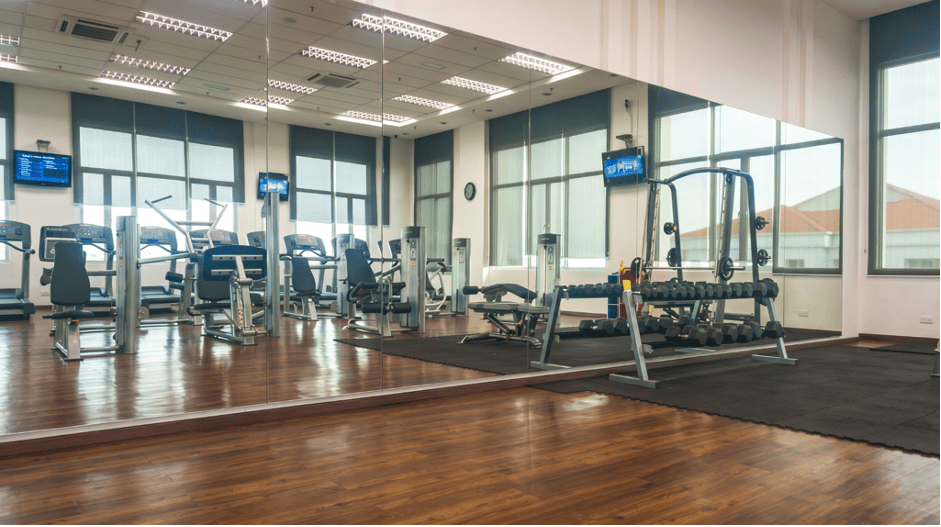
A gym mirror is not decoration, it is a performance tool that directly impacts training quality, safety, and consistency. If you are serious about strength training, bodybuilding, or functional fitness at home, a large mirror for home gym is one of the first installations that actually changes how effectively you train.
The mistake most people make is treating it like interior design. It isn’t. A gym mirror is a feedback system. Without it, you are guessing your form, not correcting it.
Table of Contents
Why a Home Gym Mirror Actually Matters
Most people underestimate how much form breaks down during training. A properly placed workout mirror for home gym fixes that by giving immediate visual feedback.
Here is what it actually changes:
- Improves exercise form in real time (squats, deadlifts, presses)
- Reduces injury risk caused by poor alignment
- Helps track muscle engagement and symmetry
- Improves mind-muscle connection
- Makes solo training feel more controlled and intentional
This is especially important in-home setups where no trainer is correcting you.
A gym without a mirror is basically self-coached guesswork.
Best Size for a Home Gym Wall Mirror
Size is not optional detail; it determines usability. In most American home gyms, people use:
- Full-wall mirror panels (most common for garage gyms)
- 48″ x 72″ panels for medium rooms
- 36″ x 72″ vertical full-body mirrors for compact spaces
- Custom wall-to-wall mirror installations for serious setups
A key benchmark used in professional installations is simple:
You should see your full body from multiple angles while moving laterally. That is why many garage gyms use multiple panels instead of a single mirror sheet.
A common mistake is buying a mirror that only shows a standing reflection. That fails for dynamic movements like lunges, cable work, and Olympic lifts.
Ideal Placement Strategy for Home Gym Wall Mirrors
Where you install your fitness mirror for home gym matters as much as the size.
Best placements:
1. Long training wall (preferred): This allows full side-to-side movement visibility.
2. Front wall facing equipment: Best for racks, benches, and barbell training.
3. Corner wrap setup (advanced): Used in high-end garage gyms to eliminate blind spots.
Avoid placing mirrors:
- Directly behind heavy lifting zones (safety risk)
- On textured or uneven walls (distortion issues)
- Near areas with frequent impact from equipment
A poorly placed mirror becomes useless quickly, even if it’s expensive.
Glass Quality and Thickness
A cheap mirror can physically exist in your gym and still ruin its function. For a proper gym mirror wall installation, USA standards typically recommend:
- 1/4 inch (6mm) thick glass for stability
- Tempered safety glass for impact resistance
- Safety backing to hold shards if broken
Distortion is the hidden problem. Thin glass flexes slightly and creates a warped reflection. That means you think your form is correct when it isn’t. That’s a silent performance error most beginners never notice.
Framed vs. Frameless Gym Mirrors – What Actually Works
For home gyms, frameless systems dominate for a reason.
Frameless Wall Gym Mirrors
- Clean, modern appearance
- Easier to install in panels
- Better wall-to-wall coverage
- Standard in garage gyms and studios
Framed Mirrors
- Slightly more impact protection
- Easier handling
- But visually bulky and less seamless
In most USA fitness spaces, frameless wall-mounted mirror systems are preferred because they create a continuous reflection surface. Discontinuous reflections reduce movement tracking accuracy.
Installation Methods for Home Gym Mirrors
Installing a large wall mirror for home gym use is not a DIY “stick and hope” project.
There are two standard systems:
1. J-Channel + Clips (Professional standard)
- Metal support channel at bottom
- Clips at top for stabilization
- Mirror rests mechanically (not just adhesive)
2. Mirror Adhesive + Mechanical Support
- Mirror mastic bonds glass to wall
- Channels still carry weight
- Prevents shifting and vibration
Why this matters:
A large gym mirror can weigh 60–100+ lbs per panel. If it fails, it doesn’t just break; it becomes a hazard zone. This is why commercial gyms never rely on adhesive alone.
Lighting and Mirror Synergy
Most people install a gym mirror and ignore lighting. That weakens its usefulness.
Good setups use:
- Overhead LED strips for shadow reduction
- Side lighting to enhance muscle visibility
- Even diffusion (no harsh glare spots)
Bad lighting creates false form cues. You think your posture is correct because shadows hide misalignment. A mirror only works as well as the light hitting it.
Common Mistakes in Home Gym Mirror Setup
Here is where most home gyms fail:
- Buying too small: A full-body mirror that doesn’t allow movement tracking is useless.
- Ignoring wall flatness: Even slight wall curvature causes distortion in large panels.
- Using cheap acrylic instead of glass: Acrylic scratches, flexes, and distorts under distance viewing.
- Poor panel alignment: Visible seams break visual tracking during movement.
- Skipping professional installation: This leads to shifting, cracking, or unsafe mounting over time.
Most failures are not product failures; they are planning failures.
Psychological Effect – Why Mirrors Improve Training Consistency
A properly installed home workout mirror wall changes behavior.
Users typically:
- Maintain stricter form
- Train longer due to visual engagement
- Repeat exercises more precisely
- Track progress visually instead of guessing
This is why commercial gyms invest heavily in mirrors even when equipment is expensive. You don’t improve what you can’t clearly see.
Final Takeaway
A large mirror for home gym setups is not optional once training becomes serious.
But the real hierarchy is:
- Proper size (full movement visibility)
- Correct placement (training zone coverage)
- Safe installation (mechanical support)
- High-quality glass (no distortion)
- Good lighting (visibility accuracy)
Most people reverse this order and end up with a mirror that looks good but performs poorly. If your goal is better training, then the mirror is not a decoration decision, it is a performance infrastructure decision.
