


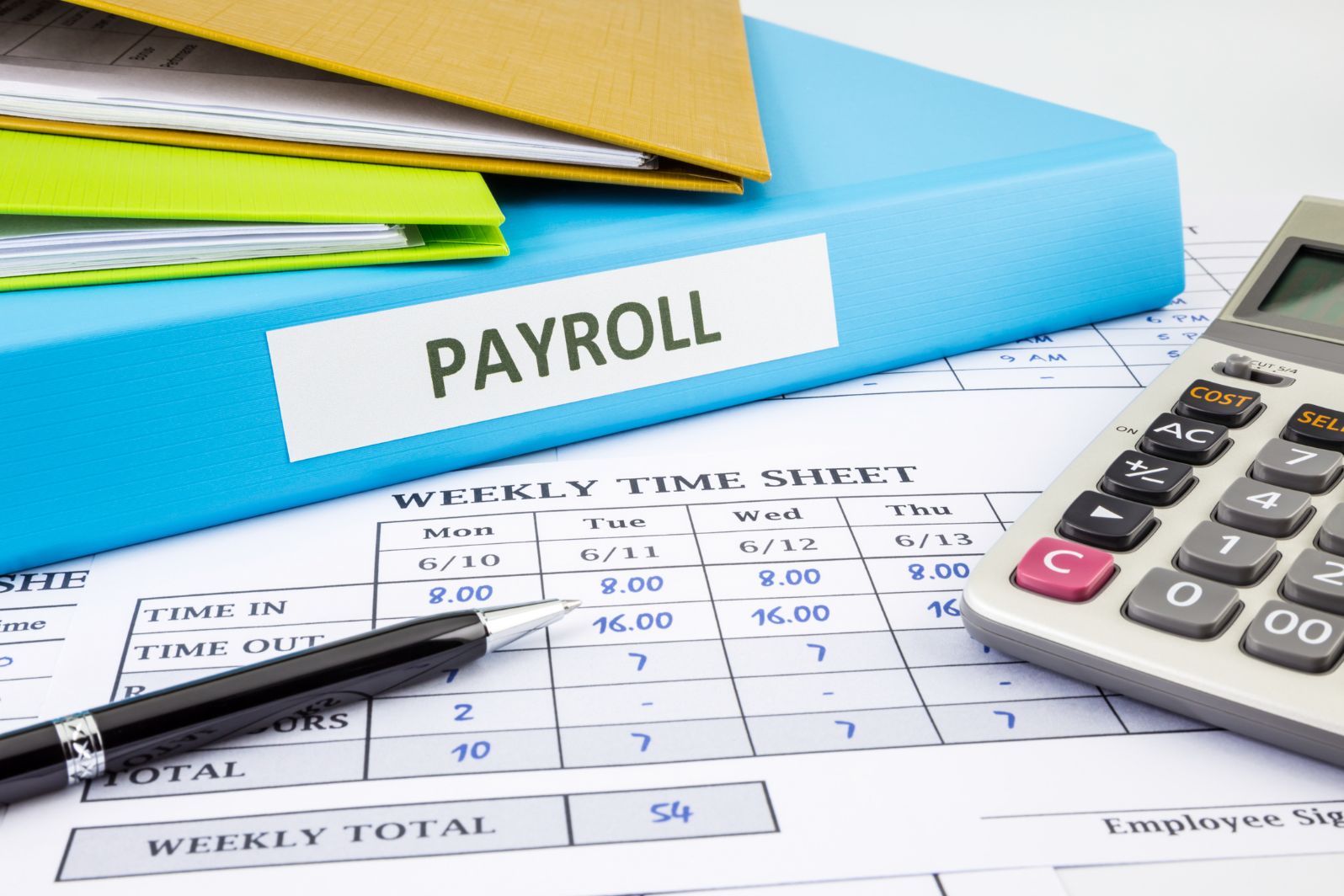
Accurate payroll stands as a critical pillar for large organizations. Even small errors can lead to compliance issues, employee dissatisfaction, and financial losses. As workforce size grows, manual tracking methods and disconnected systems struggle to keep pace with complex schedules, multiple locations, and diverse labor laws. This creates room for discrepancies that can quickly escalate into costly risks.
A structured approach becomes essential, and that is where time and attendance software plays a vital role in modern enterprises. It introduces consistency, clarity, and accountability into workforce data. This article explores how such systems help reduce payroll risk across large-scale operations and why they have become a cornerstone of efficient workforce management.
Table of Contents
Clear Data Collection Eliminates Guesswork
Reliable payroll begins with accurate data capture. Manual entries often result in errors due to missed punches, incorrect entries, or delayed submissions. These gaps lead to disputes and corrections that consume time and resources. Automated systems capture real-time data through biometric devices, mobile access, or secure logins. Each entry remains timestamped and verifiable. This removes ambiguity and ensures that every hour worked reflects correctly in payroll records. A single source of truth replaces scattered records, which reduces the chances of inconsistencies.
Consistent Policy Enforcement Across Locations
Enterprises often operate across regions with varied labor laws, shift policies, and overtime rules. Inconsistent enforcement creates compliance risks and uneven employee experiences. Manual oversight makes it difficult to maintain uniformity. Centralized platforms allow organizations to define policies once and apply them across all locations. Overtime rules, leave, and shift differentials stay consistent and transparent. Automated alerts flag any deviation from predefined policies. This ensures that payroll calculations follow accurate guidelines without manual intervention.
Reduced Compliance Risks Through Built-In Controls
Labor regulations require strict adherence to wage laws, overtime rules, and reporting standards. Compliance errors can lead to penalties and legal complications. Large enterprises face higher exposure due to scale and complexity. Advanced systems include built-in compliance checks that align with regional labor standards. These controls validate work hours, break durations, and overtime eligibility before payroll processing. Audit trails provide detailed records that support regulatory inspections. This structured approach helps organizations stay aligned with legal requirements while reducing administrative stress.
Seamless Integration With Payroll Systems
Disconnected systems often cause data mismatches and delays. Manual data transfers between attendance records and payroll software increase the risk of duplication or omission. This disrupts payroll cycles and creates room for inaccuracies. Integrated solutions connect attendance tracking directly with payroll platforms. Data flows automatically from one system to another without manual input. This synchronization ensures that payroll calculations rely on accurate and up-to-date information. As a result, processing time reduces while accuracy improves.
Employee Transparency Builds Trust
Payroll disputes often arise from a lack of clarity. Employees may question recorded hours, leave balances, or overtime calculations. Resolving these disputes takes time and affects trust. Self-service portals allow employees to view attendance records, request corrections, and track leave balances. This transparency reduces confusion and empowers employees to verify their data. Clear communication fosters trust and minimizes disputes, which contributes to smoother payroll cycles.
Managing payroll at scale requires precision, consistency, and reliable data. Errors can quickly multiply when systems lack structure or integration. The adoption of time and attendance software enables organizations to streamline workforce tracking and reduce payroll risks effectively. It supports accurate calculations, enforces policies, and enhances transparency across the workforce. A well-implemented system does more than simplify processes. It strengthens operational confidence and ensures that payroll remains accurate, compliant, and efficient even as organizations grow.
