


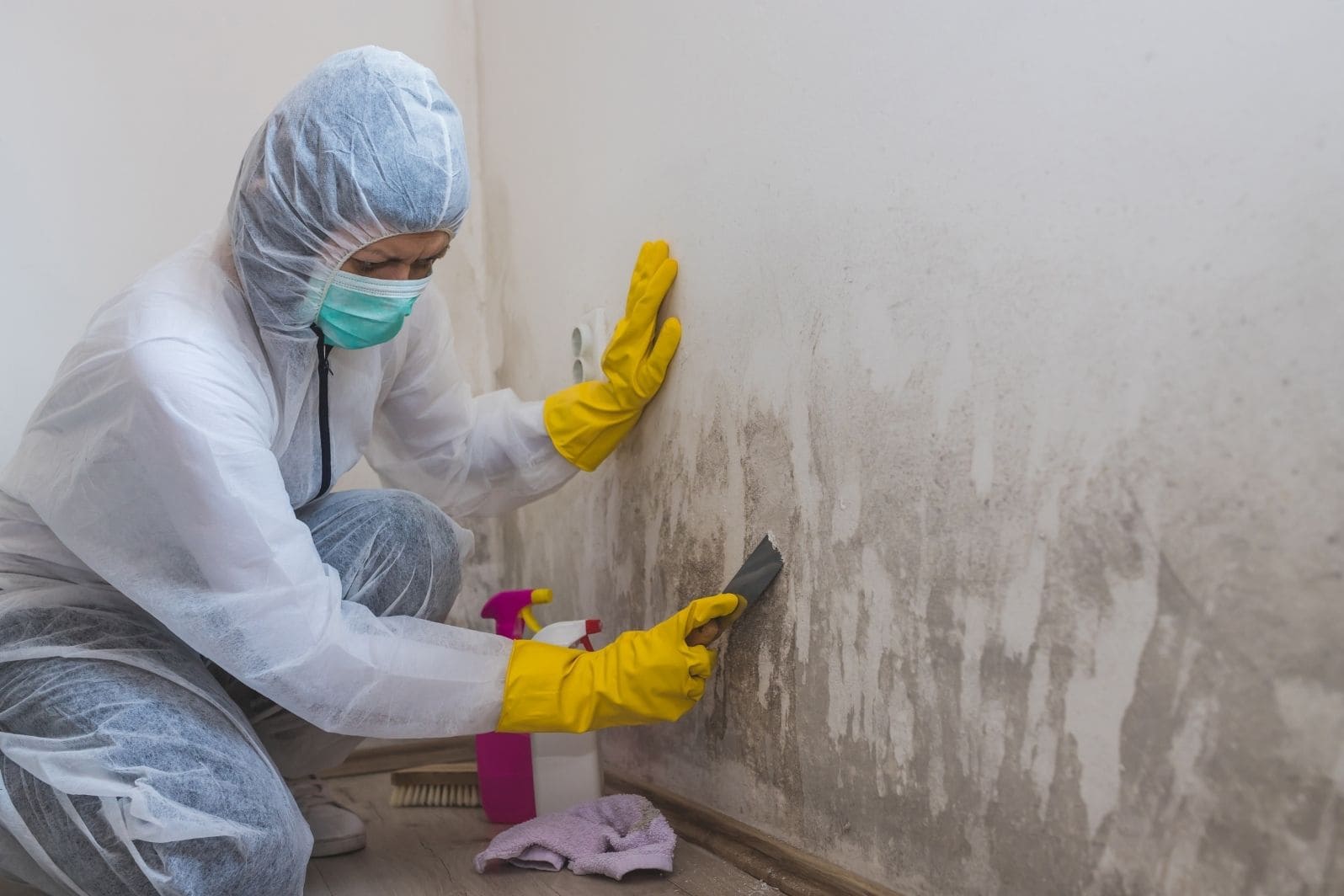
A musty smell is easy to dismiss as an old-house quirk, a damp towel, or a little dust caught in the vents. It deserves closer attention because odor often travels away from the place where moisture first entered, leaving your nose with a useful clue and your eyes with very little to see.
For homeowners, renters, buyers, and property managers, mold testing Santa Barbara can provide a clearer picture when a persistent odor appears alongside condensation, water stains, allergy symptoms, or a history of leaks. A smell can prompt two useful questions: could mold be involved, and what pattern of moisture, airflow, and building materials could be producing it?
That shift turns a vague irritation into a small investigation. You can learn a great deal by observing where the odor is strongest, when it appears, and how the air moves through the home.
Table of Contents
Let the Smell Set the Route
Start with a slow walk through the property. Close exterior doors and windows for a while, turn the heating or cooling system off briefly, and compare rooms by smell. A musty odor that grows stronger near one wall, closet, crawl-space access, bathroom, or return-air grille gives you a starting point for further observation.
Your nose can also reveal timing. Odor that intensifies after rain may point toward roof drainage, window seepage, grading, or an exterior wall. Alternatively, a smell that returns after the air conditioner runs may direct attention toward condensate pans, insulation, ductwork, or damp materials near the system.
Keep a simple log for several days. Record the room, weather, indoor humidity, HVAC activity, and any symptoms people notice. Patterns become easier to recognize once you write them down.
Moisture Leaves Clues
Mold growth needs moisture, a food source, and time. Common food sources include paper-backed drywall, wood framing, cardboard, dust, carpet fibers, and other materials that collect organic debris. A building can have plenty of spores in ordinary air while a specific damp area creates the conditions for growth.
Look for small physical clues that match the odor:
- Paint that blisters, bubbles, or changes texture.
- Baseboards that swell or pull away from the wall.
- Window condensation that lingers for hours.
- Soft flooring near plumbing fixtures.
- Brown or yellow staining around ceilings and windows.
- A closet or cabinet that feels colder and damper than nearby spaces.
Moisture can also hide behind furniture placed tightly against an exterior wall. Large storage bins, mattresses, and bookcases reduce airflow, allowing a cool surface to collect condensation while the room appears perfectly tidy.
The Air Moves the Problem
Airflow explains why the smelliest room is sometimes innocent. Air pressure changes caused by exhaust fans, fireplaces, clothes dryers, and HVAC equipment can pull air from wall cavities, attics, crawl spaces, or adjacent rooms. An odor may arrive through a gap around a pipe, an electrical outlet, a baseboard, or a ceiling fixture.
Ductwork adds another route. A return grille can draw air from a dusty or damp zone and distribute that odor throughout the home. Pay attention to whether the smell appears across several rooms at once, especially after the blower starts.
Ventilation influences concentration too. A closed bedroom with little air exchange can develop a stronger odor than a larger room with the same source. Opening windows may provide temporary relief while leaving the underlying moisture pattern untouched, so treat fresh air as an observation tool and a comfort measure.
A Better Weekend Check
You can perform a careful first-pass inspection without tearing into walls. Bring a flashlight, a hygrometer, paper towels, and your notes app, then move through the home in a consistent order.
- Start outdoors. Check gutters, downspouts, exterior cracks, roof edges, soil slope, and areas where irrigation reaches the siding. Water that collects beside the building often creates indoor problems later.
- Map plumbing. Inspect the wall behind sinks, toilets, tubs, showers, dishwashers, refrigerators with water lines, and washing machines. Look for swelling, staining, loose caulk, or a faint odor inside cabinets.
- Check humidity. Many homes feel comfortable while still holding excess moisture in bathrooms, closets, basements, or bedrooms. Record readings in several areas at different times of day.
- Inspect air-handling areas. Look around supply and return grilles, the furnace or air handler, accessible duct connections, and condensate drainage. Dust alone tells a limited story, while dampness, residue, and recurring odor create a more meaningful pattern.
- Review the timeline. Write down every leak, flood, roof repair, plumbing failure, renovation, and period of prolonged condensation. A three-year-old water event can still matter if materials dried slowly or repairs addressed the stain without resolving the source.
Avoid disturbing suspicious material during a casual inspection. Scraping, cutting, or brushing a surface can spread particles and remove evidence that would help explain the building’s condition.
Read Results in Context
A mold sample produces information that needs interpretation. Mold spores exist outdoors and indoors, so a report becomes more useful when it identifies types, measures concentrations, and compares indoor findings with an outdoor baseline collected around the same time.
The location of a sample matters as much as the number on a page. Air samples describe conditions during a particular moment, while surface samples can help identify material growth. A strong review considers the building history, visible conditions, humidity, ventilation, occupancy patterns, and the distribution of findings across rooms.
That context also helps prevent unnecessary disruption. A single elevated reading may lead to a focused moisture investigation, better ventilation, removal of damaged material, or further sampling. The appropriate response depends on the evidence gathered from the whole property.
Give the House a Repeatable Routine
Once you have checked the immediate clues, make moisture control part of ordinary home care. Run bathroom exhaust fans during showers and for a period afterward, keep furniture slightly away from exterior walls, repair small plumbing leaks promptly, and make sure dryer vents exhaust outdoors.
Pay attention to seasons. Coastal homes can experience damp air, cool surfaces, and frequent condensation even without dramatic storms. In other properties, summer air conditioning creates cold surfaces that collect moisture in places with limited circulation.
A useful household routine includes these quick checks:
- Empty or inspect dehumidifier reservoirs and drainage lines.
- Clean visible dust from grilles and replace filters on schedule.
- Keep gutters clear and confirm that downspouts move water away.
- Look beneath sinks after a plumbing repair.
- Photograph stains before repainting or replacing trim.
- Recheck a repaired area after the next heavy rain.
Small observations add up. A photo taken before a stain is covered may reveal whether it is expanding, drying, or returning in the same shape.
Let Evidence Guide the Next Step
A musty smell deserves attention because it connects the senses to the building itself. The odor may come from mold, damp wood, stale carpeting, a dirty drain, microbial growth inside a ventilation component, or another source that requires a different remedy.
Your job at the beginning is to gather a clear pattern. Notice the location, timing, humidity, airflow, visible changes, and property history. Keep people and pets away from visibly damaged materials, and use qualified help for situations involving extensive water damage, recurring leaks, vulnerable occupants, or uncertainty about what you are seeing.
A practical summary:
- Follow the strongest odor and compare nearby rooms.
- Look for moisture clues before focusing on surface appearance.
- Track HVAC operation, weather, humidity, and symptoms.
- Inspect plumbing, exterior drainage, windows, closets, and air-handling areas.
- Interpret samples alongside location, timing, and outdoor conditions.
- Correct the moisture source and verify that the area stays dry.
A house often leaves a trail before it reveals a problem. Follow that trail patiently, record what you find, and let evidence shape the next decision.
