


The Indian FMCG (Fast-Moving Consumer Goods) sector has a certain quiet resilience. It doesn’t usually grab headlines with the flashiness of tech startups, yet it is the engine room of the Indian economy. If you look around your kitchen or bathroom right now, you are staring at the results of decades of logistical genius and deep consumer psychology.
The top FMCG companies in India didn’t just stumble into success; they built it house by house, from urban high-rises to the smallest village kirana stores.
Table of Contents
The Heavyweights and Their Evolution
When we talk about the FMCG space, names like Hindustan Unilever (HUL) and ITC usually lead the conversation. They didn’t just sell products; they shaped everyday necessities.
- HUL grew through sheer precision in distribution. They mastered the art of getting a simple bar of soap to a remote village just as reliably as to a metro city.
- ITC pulled off one of the most successful diversifications in Indian corporate history, moving from tobacco into everything from high-end stationery to Aashirvaad atta. They proved that if you own the distribution network, you can win in almost any category.
The DS Group Journey: A Different Kind of Growth
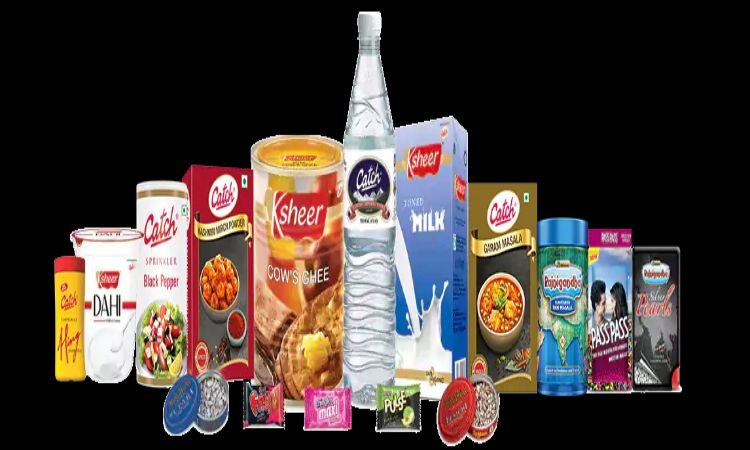
While some giants focused on sheer volume, the Dharampal Satyapal Group (DS Group) carved out a niche through “taste-led” innovation. Starting in 1929 as a small perfumery in Chandni Chowk, they’ve kept those aromatic roots alive across their confectionery and mouth freshener brands.
- The Pulse Phenomenon: Before Pulse Candy, the hard-boiled candy market was stagnant. By adding a tangy “kachcha aam” center, DS Group proved that understanding the Indian palate can create a market leader overnight.
- Design as a Game-Changer: Brands like Catch Spices didn’t just sell salt; they introduced tabletop dispensers. It was a small design shift, but it fundamentally changed consumer habits.
Why the FMCG Sector is Booming in 2026
The current growth story isn’t just about what’s inside the package—it’s about the “how” and the “why” of the purchase.
- The Quick-Commerce Ripple: The rise of 10-minute delivery apps has killed the “weekend grocery haul.” People now buy snacks or detergent exactly when they need them, leading to higher frequency in sales.
- Premiumization: We are seeing a massive shift from “value-for-money” to “value-for-wellness.” Consumers are now willing to pay more for organic, cold-pressed, or “clean” ingredients.
- Sustainability: In 2026, being “green” isn’t a PR move; it’s a business requirement. Companies are overhauling plastic usage and supply chains to meet the demands of a more conscious generation.
The Strategy Behind the Success
Among India’s leading firms, the standout pattern is adaptability.
- Godrej Consumer Products successfully branched into personal care and home insecticides.
- Britannia has expanded its footprint across bakery and dairy offerings.
- DS Group has mirrored this by moving into hospitality and luxury retail, all while keeping a firm grip on the products that connect with people daily—like Catch, Pulse, Pass Pass, Rajnigandha, Rajnigandha Silver Pearls, and Ksheer.
Ultimately, the FMCG story in India is one of trust. These brands have become part of our daily rituals, proving that in a fast-changing world, the things we use every morning remain our most consistent anchors.
Since we’re looking at how these giants evolved, are you more interested in the supply chain side of things, or how they use consumer psychology to launch new products?
