


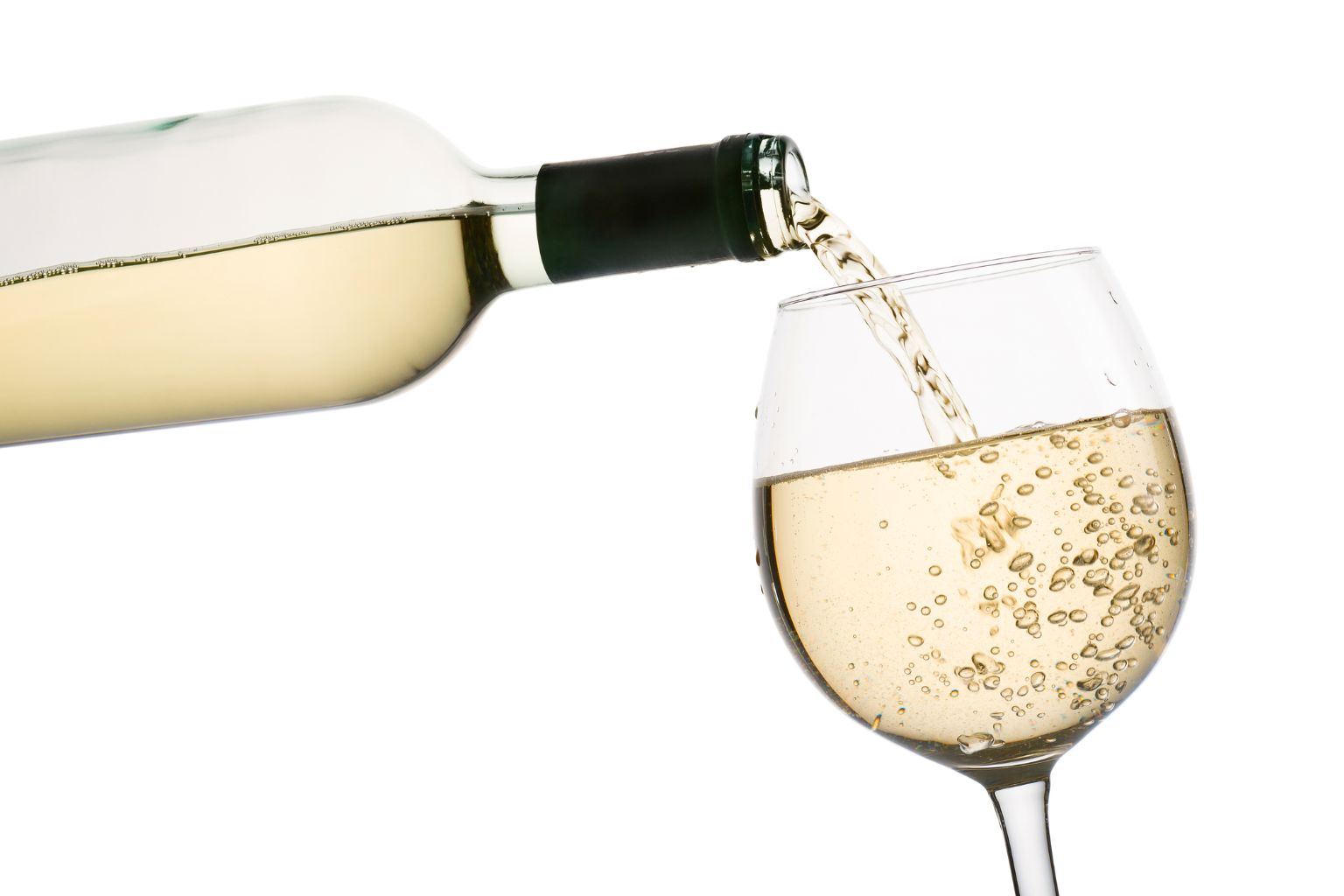
In the realm of wines, sparkling white wines hold a unique place, celebrated for their effervescence and versatility. Perfect for celebrations and casual gatherings alike, these wines are cherished worldwide. This guide explores the rich tapestry of sparkling white wines, offering insights into their history, production methods, and pairing potentials.
Table of Contents
The Origins of Sparkling White Wines
Sparkling white wines have an illustrious history that dates back to centuries ago. The accidental discovery of these fizzy drinks in the cellars of French monasteries brought about a revolution in the winemaking world. The most famous of these, Champagne, has become synonymous with luxury and celebration.
Production Methods
Understanding the production of sparkling white wines is crucial for any enthusiast. The wine undergoes a secondary fermentation process, which may occur in the bottle, as with the traditional method used for Champagne, or in large tanks, often called the Charmat method. Each technique imparts different characteristics to the wine.
The Traditional Method
This method, also known as Méthode Champenoise, involves a meticulous process where the secondary fermentation occurs in the bottle. It is used primarily for Champagne and produces wines with complex flavours and fine bubbles.
The Charmat Method
The Charmat, or tank method, speeds up the fermentation process by allowing it to occur in large tanks. This method is popular for producing Prosecco and results in a fruitier wine with larger, coarser bubbles.
Key Regions and Varieties
While France remains at the forefront with its Champagne, several other regions have gained recognition for producing exceptional sparkling white wines. Italy’s Prosecco and Spain’s Cava have carved out a niche in the market, each with distinct characteristics.
Champagne
Champagne, the epitome of sparkling wines, comes from the Champagne region of France. Its complex and refined taste is a result of the meticulous Méthode Champenoise.
Prosecco
Prosecco, hailing from Italy, offers a lighter, fruitier alternative to Champagne. It is enjoyed for its accessible price point and refreshing taste, often produced using the Charmat method.
Cava
Spain’s contribution to sparkling wines is Cava, known for its traditional method production and a broad range of styles, from dry to sweet.
Pairing Sparkling White Wines
One of the delights of sparkling white wines is their ability to pair well with a variety of foods. Their high acidity and bubbles cleanse the palate, making them ideal companions for an array of dishes.
Appetisers and Starters
Brut sparkling wines are excellent with salty appetisers like olives, nuts, and crisp bread. They also pair well with starters such as smoked salmon and sushi.
Main Courses
For main courses, sparkling whites can complement creamy pastas and seafood dishes. Their acidity cuts through rich sauces, enhancing the overall dining experience.
Desserts
Sweet sparkling wines, such as Demi-Sec, pair delightfully with fruity desserts and creamy cheeses, offering a balanced contrast to sweet flavours.
Storing and Serving Tips
Proper storage and serving can greatly affect your enjoyment of sparkling white wines. Store bottles in a cool, dark place, and serve chilled for the best taste. Use flute glasses to enhance the visual appeal of the bubbles.
Conclusion
Whether celebrating a special occasion or enjoying a casual evening, sparkling white wines offer elegance and versatility. By understanding their origins, production methods, and pairing potentials, one can truly appreciate their place in the world of wines. For a wide selection of these effervescent wines, visit trusted retailers like Smiths Wine Store.
