


Ask people to picture a plumbing disaster and they’ll usually describe a pipe bursting inside a wall. The real thing tends to be smaller and more irritating. Plenty of serious water damage starts with a part that costs less than a takeout dinner: a rubber hose, a plastic nut, a shutoff valve nobody has touched in a decade.
Parts like these never announce themselves. They sit behind the washer or under the sink and work fine right up to the day they don’t. If you’d like a second set of eyes on what’s aging in your house, a plumber in North Miami homeowners bring in for a whole-house look can go through all of it in an hour or so. But most of the checking is just looking, and you can do it yourself on a free Saturday morning.
Table of Contents
Behind the washing machine
Start here, because washer hoses are the classic offender. They’re under pressure whenever the wall taps are open, even when the machine is off, and rubber hardens and cracks with age. Slide the machine out far enough to see the connections, and look for bulges, cracks near the fittings, rust, or crusty white mineral deposits where the hose meets the valve.
A common rule of thumb is to replace rubber hoses every five years or so. Braided stainless ones last longer, though they aren’t permanent either. And if the washer lives in a closet or garage where nobody walks past it, a slow drip can run for a long time before anyone notices. Turning the taps off after laundry day costs nothing and takes ten seconds.
Under the sinks and behind the toilets
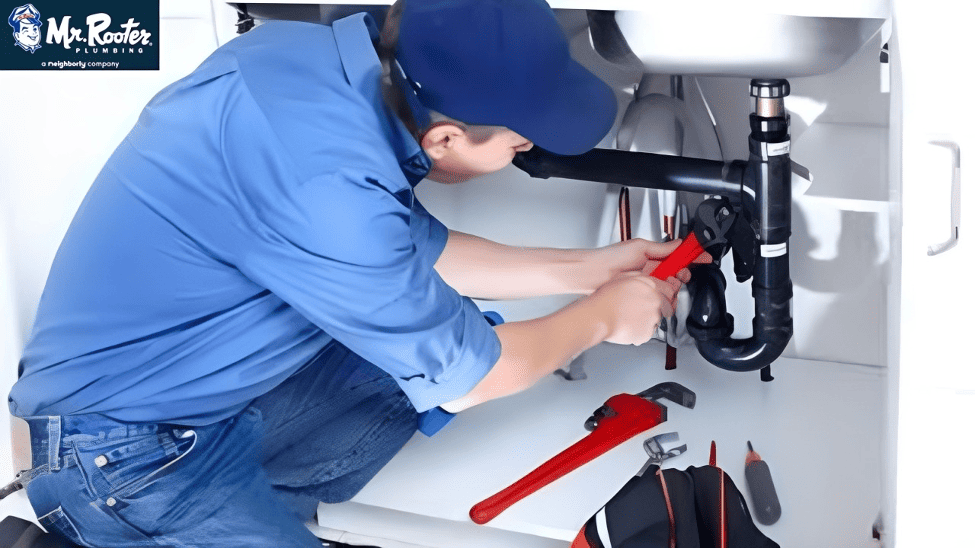
The flexible supply lines that feed faucets and toilets are next. Run a dry fingertip or a paper towel around every connection. Fingers catch dampness that eyes miss. You’re looking for rusty streaks, corroded nuts, swelling in the line, or a cabinet floor that’s gone soft or stained. Plastic coupling nuts, the kind on many toilet supply lines, can crack with age or from having been overtightened at some point.
While you’re down there, test the little shutoff valves, sometimes called angle stops. Close one gently and open it again. Stiff ones shouldn’t be forced, and one that starts weeping after you’ve turned it is telling you it’s due for replacement. You want to find that out on a calm Saturday rather than during a leak.
The water heater, which gets its own paragraph or three
A tank water heater typically lasts somewhere around eight to twelve years, depending on the water it’s fed and how it’s been looked after. Find the label on the side. The serial number usually encodes the manufacture date, and the manufacturer’s website can decode it if the format isn’t obvious. Then look at the base for rust streaks, drips, or dampness in the pan underneath, and check the fittings on top.
What’s happening inside is harder to see. Minerals in the water settle at the bottom of the tank over the years, and water heater sediment buildup acts like a blanket between the heat source and the water, which wastes energy and puts extra stress on the tank. Popping or rumbling when it heats is the usual giveaway. How fast it accumulates depends on how hard your water is, a number your utility generally publishes.
Draining a few gallons from the tank’s drain valve once a year slows the buildup. If the heater is old and has never been flushed, though, it’s worth asking a plumber before you start. Aging drain valves sometimes clog or refuse to close again, and that turns a chore into a mess.
Small things that catch the rest
Battery-powered water sensors cost very little and make a loud noise when they get wet. Put one behind the washer, one under the kitchen sink, and one next to the water heater. Some people go further and add an automatic shutoff, which is more money but cuts the water off by itself.
Also, find your main shutoff valve and make sure it actually turns. A main valve that’s seized is no help in the middle of a leak. If you’re leaving for a week or more, shutting the water off at the main before you go is a small habit that pays for itself the one time it matters.
What counts as urgent
Most of what you’ll find is minor. A damp nut might need an eighth of a turn. A bulging washer hose should be replaced this week, not next season. A rusted tank base means the heater is on borrowed time, so start planning for its replacement rather than waiting for it to fail on its own schedule.
Keep a running note on your phone of what you checked and what you replaced, with dates. It sounds fussy until the next time you can’t remember whether those hoses are two years old or ten. And if something turns out to be more than a swap, say a corroded valve or a heater past its prime, a company like Mr. Rooter Plumbing of Miami can handle it. Otherwise, you’ve spent a morning and a few dollars on parts, which is a fair price for not finding out the hard way.
