


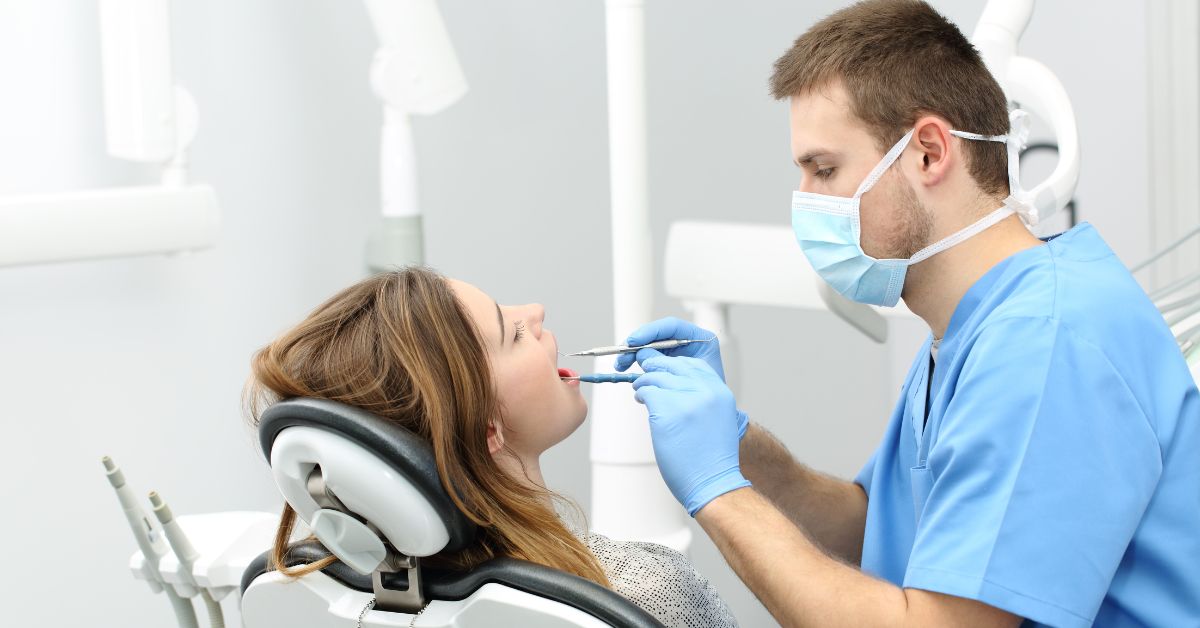
If your kid clams up at the thought of sitting in a dental chair, you’re definitely not alone. Studies show that anywhere from 10 to 20 percent of kids experience genuine dental fear, and that number spikes even higher for children with sensory sensitivities or past medical trauma. The good news? Most of that anxiety is learned behavior, which means it can be unlearned too. With the right preparation at home, you can turn a potentially stressful appointment into something your child actually feels okay about, maybe even looks forward to. You don’t need to be a child psychologist to pull this off. You just need a few practical strategies that target the specific worries kids have, like fear of pain, fear of the unknown, and fear of being separated from you. Here are seven proven ways to reduce your child’s dental anxiety before you ever walk through the clinic door.
Table of Contents
1. Read Picture Books About Dental Visits
Kids process the world through stories, so using picture books to explain what happens at the dentist is one of the most effective tools you have. Books with bright illustrations and relatable characters help demystify the experience. Look for titles that show the full sequence of a visit, from sitting in the waiting room to the dentist counting teeth. When your child sees a cartoon character going through the same motions they will, the unfamiliar becomes familiar. You can find age-appropriate options at your local library or through HealthyChildren.org, which offers a solid list of recommended titles for toddlers and preschoolers. Read the book a few times in the week leading up to the appointment. Let your child ask questions while you read. The goal isn’t to quiz them. It’s to normalize the experience so their brain doesn’t register it as a threat.
2. Role-Play the Appointment at Home
Role-playing is a big deal in pediatric care because it lets kids take control of a situation where they usually have none. Set up a pretend dental office in your living room. Grab a toothbrush, a small mirror, and a chair that reclines a little. Let your child be the dentist first, and you be the patient. Lie back, open your mouth, and let them examine your teeth. Make silly sounds and exaggerate your reactions. Then switch roles so your child gets to experience being the patient in a low-stakes environment. You can count their teeth out loud, let them hold the mirror, and explain what each tool does in simple terms. This playful rehearsal builds familiarity. And familiarity is the enemy of fear. When your child has already “done” the appointment at home, the real one feels like a repeat performance instead of a scary surprise.
3. Use Positive Language at Home
The words you use in the days before the appointment matter more than you might think. If you talk about the dentist in a nervous or negative way, your child will pick up on that energy instantly. Avoid words like “hurt,” “shot,” “drill,” or “pain.” Instead, use neutral or positive terms. Say things like, “The dentist is going to count your teeth and make sure they’re strong.” Or, “We’re going to see how sparkly we can get your smile.” Even your tone of voice matters. Keep it light and casual, like you’re talking about a trip to the grocery store, not a major medical procedure. If you have your own dental fears, do your best to keep them out of the conversation entirely. Kids are emotional sponges. They soak up your cues. For more guidance on how to frame these conversations, check out the tips from the American Academy of Pediatric Dentistry, which offers parent-friendly advice on talking to kids about oral health.
4. Schedule a “Meet and Greet” Visit First
Many pediatric dental offices allow families to stop by for a quick tour before the actual appointment. This is a golden opportunity. Your child can see the waiting room, meet the staff, and even sit in the dental chair without anyone asking them to open up. There’s no pressure. No instruments. Just a casual introduction to the space. If your child is particularly anxious, this preliminary visit can make a world of difference. They get to see that the office isn’t scary. It’s just a room with a cool chair and maybe some toys. When you schedule the real visit, ask the front desk if they can do a short walkthrough with your child. Most pediatric offices are happy to accommodate because they know it reduces anxiety and makes their job easier too. If your child has special needs or sensory sensitivities, mention that when you call. A good office will work with you to make the experience as comfortable as possible.
5. Watch Educational Videos Together
Visual learners often respond best to watching other kids go through the dental experience. There are plenty of kid-friendly YouTube videos and short clips that show what a dental visit actually looks like. Look for videos produced by pediatric dental associations or reputable children’s health organizations. These usually feature real kids or friendly animated characters walking through each step of the appointment. Watch the video together and pause to talk about what your child is seeing. Ask questions like, “What do you think that tool does?” or “Does that chair look comfy to you?” This encourages active engagement rather than passive watching. Just make sure you’re curating the content. Don’t let your child stumble onto random videos, some of which might show scary or graphic procedures. You want content that’s specifically designed to reassure children. The MouthHealthy website from the American Dental Association has a dedicated kids section with videos, games, and printables that make dental education feel like playtime.
6. Choose a Dentist Who Specializes in Kids
Here’s a big one. The type of dentist you choose has a massive impact on your child’s anxiety levels. General dentists are fine for adults, but kids need someone with extra training in child development and behavior management. Pediatric dentists complete an additional two to three years of residency focused specifically on treating children, including those with special needs or high anxiety. Their offices are designed to feel welcoming to kids, with themed decor, toys, and staff who know how to talk to children at their level. For instance, a Pediatric Dentist Overland Park families love will use gentle language, show-and-tell techniques, and positive reinforcement to keep kids calm. They also have tools and equipment sized for smaller mouths. When your child is sitting in a chair that fits them and talking to someone who speaks their language, the whole experience feels less clinical and more comfortable. Do your research before you book. Look at photos of the office, read reviews from other parents, and don’t hesitate to call and ask about their approach to anxious kids.
7. Plan a Small Reward for After the Visit
Positive reinforcement can go a long way in shaping your child’s attitude toward future dental visits. You don’t need to bribe them with expensive gifts. A small reward can be as simple as a trip to the park, a sticker, or picking out a new book at the store. The key is to frame the reward as a celebration of their bravery, not as a payment for enduring something terrible. Before the appointment, say something like, “After we’re done, we’ll go get a smoothie because you’re being so brave about keeping your teeth healthy.” This gives your child something concrete to look forward to, which can shift their focus away from the anxiety. Afterward, follow through on your promise. And here’s the important part, talk about the experience positively on the drive home. Say things like, “You did such a great job opening your mouth when the dentist asked.” Your child will associate the dental visit with a positive outcome and a proud feeling. That association is exactly what you want to build for the next time around.
Wrap-Up
Dental anxiety doesn’t have to define your child’s relationship with oral health. With a little preparation, you can dramatically reduce the stress surrounding their first visit. Read books together, role-play at home, watch educational videos, and choose a pediatric dentist who knows how to connect with kids. Each of these strategies works on a different level, but together they create a foundation of familiarity and trust. And remember, your own attitude sets the tone. The more relaxed you are, the more relaxed your child will be. Start practicing these techniques a few weeks before the scheduled visit. Small steps taken consistently will make a bigger difference than you might expect. Your child might not bounce into the dental office with a huge smile on the first try. But with patience and the right support, they can learn to handle dental visits calmly, and that’s a skill that serves them for the rest of their lives.
