


Most people who work at a large company spend a good part of their day switching between a browser tab and a desktop application, often without thinking much about it. A file opens in a browser, is edited a bit, then downloaded to a desktop folder because that is where the rest of the work happens, and this back-and-forth repeats dozens of times a week across a team. It feels normal until someone stops to count how much time gets lost in that shuffle.
This is really the starting point for why desktop native collaboration has become something IT teams and department heads think about more seriously. The idea is not complicated. Instead of forcing people to leave the applications they already know, files and edits sync directly through the desktop environment itself, so the software works the way people already work rather than asking them to change habits that took years to build.
Table of Contents
Why Browser-Only Tools Fall Short at Scale
Browser-based collaboration tools work fine for small teams or short projects, but enterprise environments run into friction once hundreds or thousands of employees rely on the same workflow every day. A slow internet connection in one office can turn a quick edit into a frustrating wait, and employees who travel often find themselves stuck without reliable access at all. None of this is a huge problem on its own, but added up across a large workforce, it becomes a real drain on productivity that rarely shows up clearly on any single report.
People miss this sometimes, assuming that moving everything to the cloud automatically solves collaboration problems. In practice, a purely browser-based setup can create as many bottlenecks as it removes, especially for teams working with large files like architectural drawings, video projects, or dense spreadsheets that behave poorly inside a browser tab.
How Desktop-Native Tools Change the Day-to-Day Work
A desktop native collaboration setup keeps people inside the applications built for heavy file work, whether that is a design program, a spreadsheet tool, or a document editor, while still keeping everyone synced on the same version behind the scenes. Two employees can work on the same file at the same time without emailing versions back and forth or waiting for someone to finish before making their own changes. This alone removes a huge source of confusion in most enterprise teams, where multiple drafts of the same file tend to circulate until someone finally consolidates them.
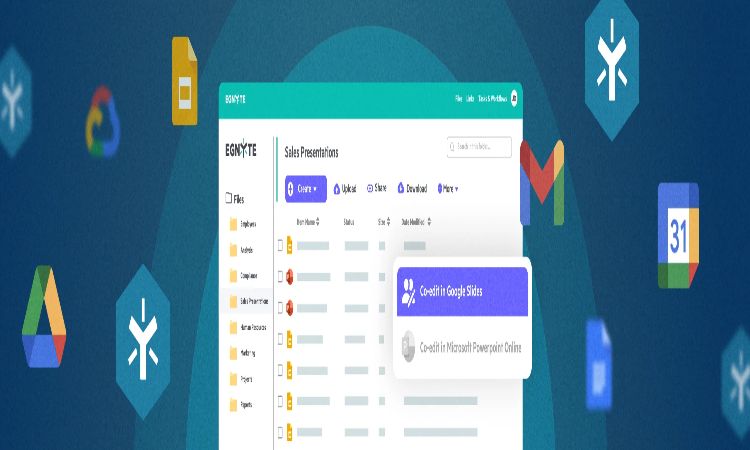
Egnyte has built tools around this exact idea, giving teams a way to co-edit files through native desktop applications rather than routing everyone through a browser window. This kind of setup matters most for industries where large files are common, since desktop applications generally handle heavy files with far more stability than a browser tab managing the same load.
Firms looking into collaboration tools for a distributed workforce often find that native desktop syncing solves problems a browser-first approach never fully addressed, particularly around speed and file size limits that browsers tend to struggle with.
What This Means for IT and for Everyday Employees
For IT teams, desktop native collaboration usually means fewer support tickets tied to sync errors or lost work, since the system handles version control in the background rather than relying on employees to manage it themselves. For everyday employees, it means less time spent figuring out which version of a file is current and more time spent actually doing the work in front of them. This comes up more often than expected in employee feedback surveys, where the biggest complaints are rarely about the quality of a tool and more about how disruptive it feels to switch between systems throughout the day.
The business case here is not about chasing the newest software trend. It comes down to reducing friction for people who already know how to do their jobs and just need tools that support how they already work, rather than getting in the way.
