


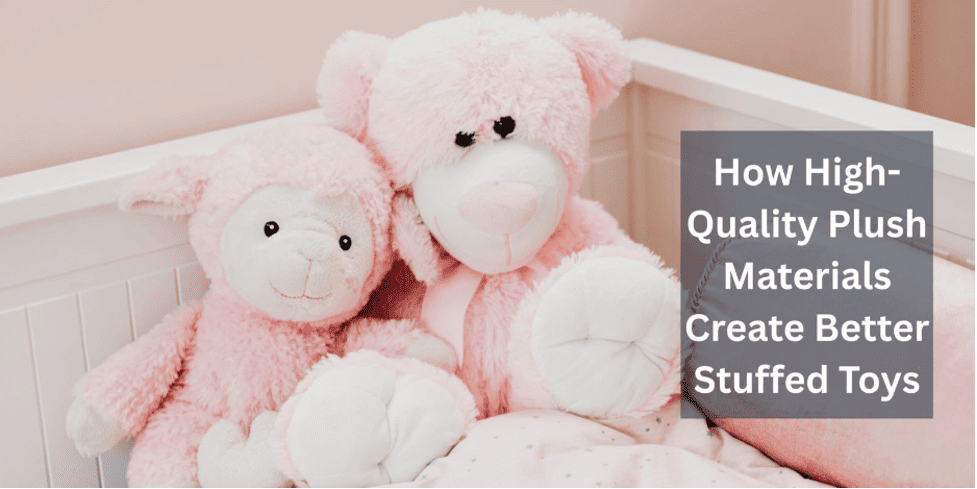
You take a stuffed toy and hope it to be soft, comfortable, and pretty, but sometimes you find that it is hard fabric, lumpy stuffing, or coarse stitching. The disappointment alters the whole experience. A toy that is supposed to be hugged becomes ornamental and delicate.
In the long run, bad materials will result in flattened forms, fading colors, and loose seams, making what might have been a favorite companion into a pile of rubbish. Since stuffed toys are designed to be squeezed, exhibited, and enjoyed, their quality should be taken into consideration from the very first touch.
The distinction is in materials. Plush toys made of high-quality fabrics and fillings provide excellent softness, structure, safety, and durability.
This article discusses the benefits of quality plush material in making a better stuffed toy and why the choice of material can make or break the whole process.
Table of Contents
1. Superior Plush Fabric Provides Instant Comfort
The first thing that comes to your mind when you have a stuffed toy is how it feels in your hands. As an example, a Unicorn plush crafted out of premium minky-style fabric provides an immediate experience of velvety and cloud-like softness that begs to be hugged over and over again.
High-grade plush textiles are developed using thick, fine fibers that form a smooth surface without compromising durability. On the other hand, cheap materials tend to be rough or slim since they are built with a sparse fiber construction.
Consequently, they become hard in no time and could pill even after slight use. Premium plush, however, does not change its texture with time, so the toy will remain as comfortable months after as it was on the first day.
Also, quality fabric improves the sensory experience. The softness of the plush fibers is warm and pleasant to touch, and the toy is comfortable to hold. The uniform delicacy turns a stuffed toy into an emotionally comforting item.
2. Filling of High Quality Retains Form and Organization
Although the outer cloth is the most noticeable, the inner stuff is what makes a plush toy retain its shape. Good stuffed toys are made with durable polyester fiberfill or other specially designed materials that spring back after being crushed. As a result, the toy does not lose its plumpness following repeated squeezing.
In cheaper fillings, the fillings are prone to clumping or flattening in uneven lines, resulting in lumps and misshapen bodies. With time, it impacts both the looks and comfort. A properly made plush has a well-balanced weight distribution so that it can sit straight when put on display, and also be comfortable to be hugged.
In addition, high-end filling facilitates intricate sculpture. Definite curves, rounded shapes, and stable posture are based on hard stuffing. The quality of the fabric is matched to fill quality, providing the toy with both softness and shape, which is the key to long-term satisfaction.
3. Choice of Material Makes the Plush More Durable
Stuffed toys are frequently moved around, to bedrooms, car interiors, shelves, and even washing machines. Thus, longevity is essential. Plush materials of high quality are intended to withstand tearing, shedding, and fading. Firm woven support under the plush fibers makes sure seams do not rip when there is pressure.
Moreover, strengthened stitching is used in cooperation with high-quality fabric to withstand wear. This structural integrity makes sure that arms, legs, and decorative features remain in place during play or display.
Color vibrancy is also maintained by durable materials. Plush fibers take on high-grade dyes very well, and the bright colors do not fade after washing. Consequently, the toy still appears vibrant and not drab or battered. Durable materials eventually secure the aesthetic and the sentimental worth.
4. Safety Standards Begin with Material Quality
Safety is directly tied to material selection. Premium plush fabrics are often tested for softness and resistance to harmful substances. This careful selection reduces the likelihood of irritation, especially for sensitive skin.
High-quality stuffing materials are chosen for consistency and cleanliness. Reliable fiberfill does not shed small particles or break apart easily, minimizing potential concerns.
Secure stitching and well-embedded components further enhance overall safety. Because stuffed toys are frequently hugged close, breathable textiles promote comfort during extended cuddling.
5. Visual Appeal Depends on Fabric Performance
High-quality plush materials elevate both feel and appearance. Dense fibers allow embroidered expressions and sculpted features to stand out clearly. Smooth surfaces create clean lines that enhance character design.
Premium fabrics also accept dyes more evenly, resulting in richer and more consistent colors. This vibrancy contributes to personality and charm. Texture variation can add visual interest while maintaining softness. When design meets superior material performance, the final result feels cohesive and thoughtfully crafted.
Bringing it All Together
High-quality plush materials form the foundation of a better stuffed toy experience. From the first touch to years of continued use, premium textiles and resilient filling define softness, structure, and durability.
They help maintain vibrant color, secure stitching, and balanced shape, ensuring the toy remains visually appealing and comforting. Thoughtful material selection also enhances safety and simplifies care, making the toy practical as well as enjoyable.
When every component, from plush surface to inner stuffing, is carefully chosen, the result is a stuffed toy that feels consistently inviting and dependable. Material quality ultimately transforms a simple plush into a lasting companion that continues to delight with every hug.
