


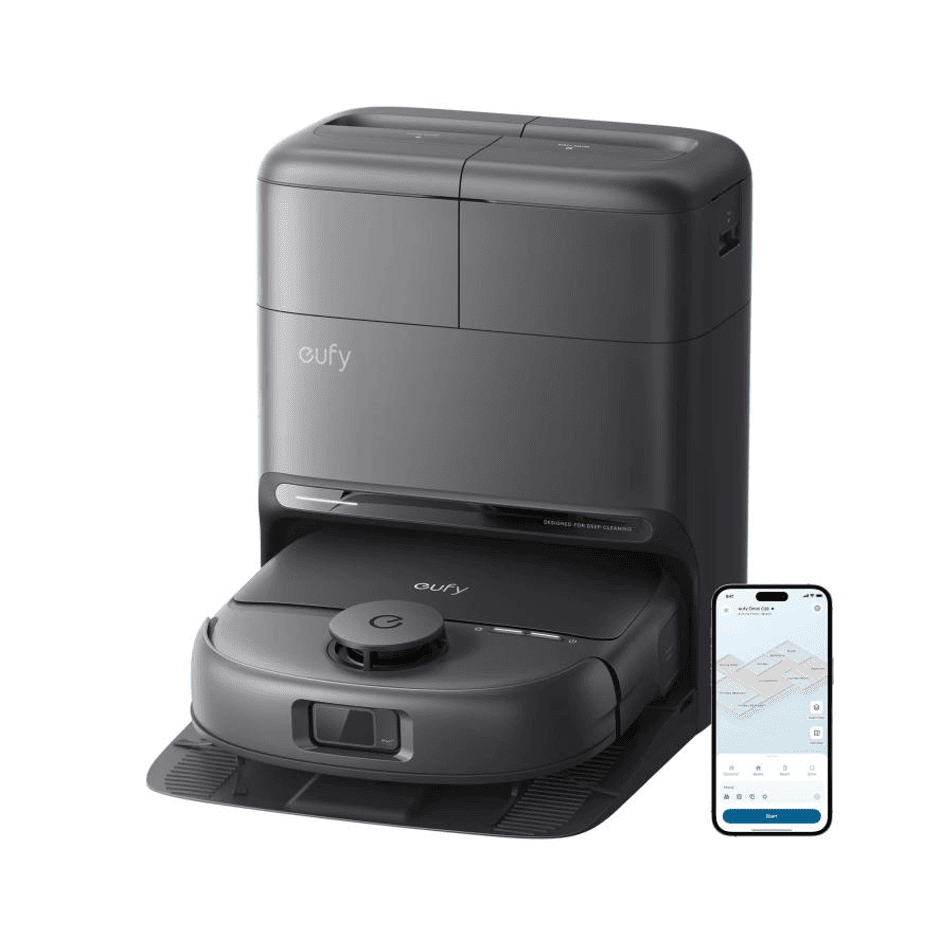
A truly smart autonomous vacuum does more than move around a room and collect dust. It combines sensors, onboard computing, mapping software, and connected controls to clean with purpose and consistency. Instead of following random paths, it identifies room layouts, avoids obstacles, adjusts to floor types, and returns to charge when needed. The smartest models also support app scheduling, zone cleaning, no-go boundaries, and voice assistant control for easier daily use. These features matter because they save time, reduce missed areas, and improve cleaning performance in busy homes. Smart vacuum technology is defined by how well it senses, decides, adapts, and automates.
Table of Contents
The Core Features Behind a Truly Smart Vacuum
AI Navigation and Sensors That Improve Cleaning Accuracy
AI navigation gives an autonomous vacuum the ability to understand where it is, where it has cleaned, and what it should avoid next. This intelligence depends on a combination of sensors, such as LiDAR, infrared, cliff sensors, wall sensors, and obstacle detection cameras or structured light systems. Together, they help the vacuum recognize furniture, edges, cords, and drop-offs while maintaining stable movement across rooms. Instead of wandering aimlessly, a smart model builds a reliable path and reduces repeated passes over the same spot. Better sensing also improves coverage along walls and around table legs. The result is more accurate cleaning, fewer collisions, less interruption, and stronger overall efficiency on both hard floors and carpets.
Automation, Mapping, and Intelligent Home Integration
Smart automation turns a robotic vacuum from a simple cleaner into a low-effort household system. Advanced models create digital maps of the home, divide spaces into rooms, and let users customize schedules, cleaning sequences, and no-go zones through an app. Many can remember multiple floor plans, which is useful in multi-level homes. Intelligent integration also matters. A truly smart vacuum should connect smoothly with voice assistants and mobile controls, so users can start, stop, or target specific rooms without manual setup each time. Some models automate dust disposal, mop washing, or water management through docking stations, reducing maintenance even further. These features improve convenience, support regular cleaning habits, and make the vacuum more responsive to real household routines.
How Smart Vacuums Adapt to Real Cleaning Challenges
Learning Floor Plans and Creating Efficient Cleaning Routes
A smart autonomous vacuum improves over time by learning the structure of the home and using that information to clean more efficiently. After one or more mapping runs, it can recognize room boundaries, furniture placement, and common travel paths. This allows it to create orderly cleaning routes instead of random movements, often working in straight lines that reduce overlap and shorten cleaning time. Efficient route planning also helps preserve battery life because the vacuum covers more area with fewer unnecessary turns. In larger homes, this matters even more, since the device may need to pause, recharge, and resume exactly where it stopped. Smart route logic ensures thorough coverage while minimizing wasted motion and missed spaces.
Detecting Dirt, Obstacles, and Changing Cleaning Needs
Real homes are unpredictable, so a smart vacuum must respond to changing conditions while it cleans. Dirt detection helps the machine identify areas with heavier debris and spend more time there instead of treating every section the same. Obstacle recognition is equally important, especially in spaces with pet bowls, toys, shoes, cables, or chair legs. Strong object avoidance reduces tangles, collisions, and failed cleaning runs. Smart models also adjust suction or brush behavior based on surface type, increasing power on carpets and using gentler settings on hard floors when appropriate. This adaptability improves cleaning performance without constant user input. A truly smart vacuum reacts in real time and maintains reliable results across everyday household messes.
Choosing a Smart Autonomous Vacuum for Modern Homes
Key Specifications to Evaluate Before Buying
When choosing a smart autonomous vacuum, focus on the specifications that directly affect cleaning quality and daily convenience. Navigation technology should come first, with reliable mapping and obstacle avoidance being more valuable than basic random movement. Battery life matters for larger homes, while suction power and brush design influence how well the vacuum handles pet hair, dust, and debris. Check whether it supports room selection, multi-floor maps, no-go zones, and scheduled cleaning in the app. If your home includes carpets and hard floors, automatic surface adjustment is important. Also consider dustbin size, filter quality, noise level, dock functions, and maintenance needs. The best choice combines accurate navigation, strong cleaning performance, and useful automation.
Smart Cleaning Solutions and eufy Robot Vacuum Options
eufy Robot Vacuum models reflect many of the features that define a truly smart cleaner, especially in homes that need practical automation without complicated setup. Depending on the model, users can get intelligent mapping, app-based room control, scheduled cleaning, voice assistant support, and obstacle avoidance designed for everyday household layouts. Some options also include self-emptying stations or vacuum-and-mop functionality, which helps reduce routine maintenance and supports more complete floor care. For buyers comparing smart cleaning solutions, eufy stands out when the priority is balanced performance, simple controls, and dependable navigation. The strongest option is the one that matches your floor types, room size, and desired level of hands-off automation in daily cleaning.
Conclusion
A truly smart autonomous vacuum stands out because it can sense its environment, build a map, make cleaning decisions, and adapt as conditions change. Smartness is not one feature but the combination of accurate navigation, obstacle detection, route planning, automated controls, and easy integration with the rest of the home. These capabilities help the device clean more thoroughly, avoid common interruptions, and require less supervision. When evaluating one, look beyond marketing terms and focus on how well it handles layout learning, surface changes, and routine automation. The smartest vacuum is the one that consistently delivers efficient, reliable cleaning with minimal effort from the user.
