


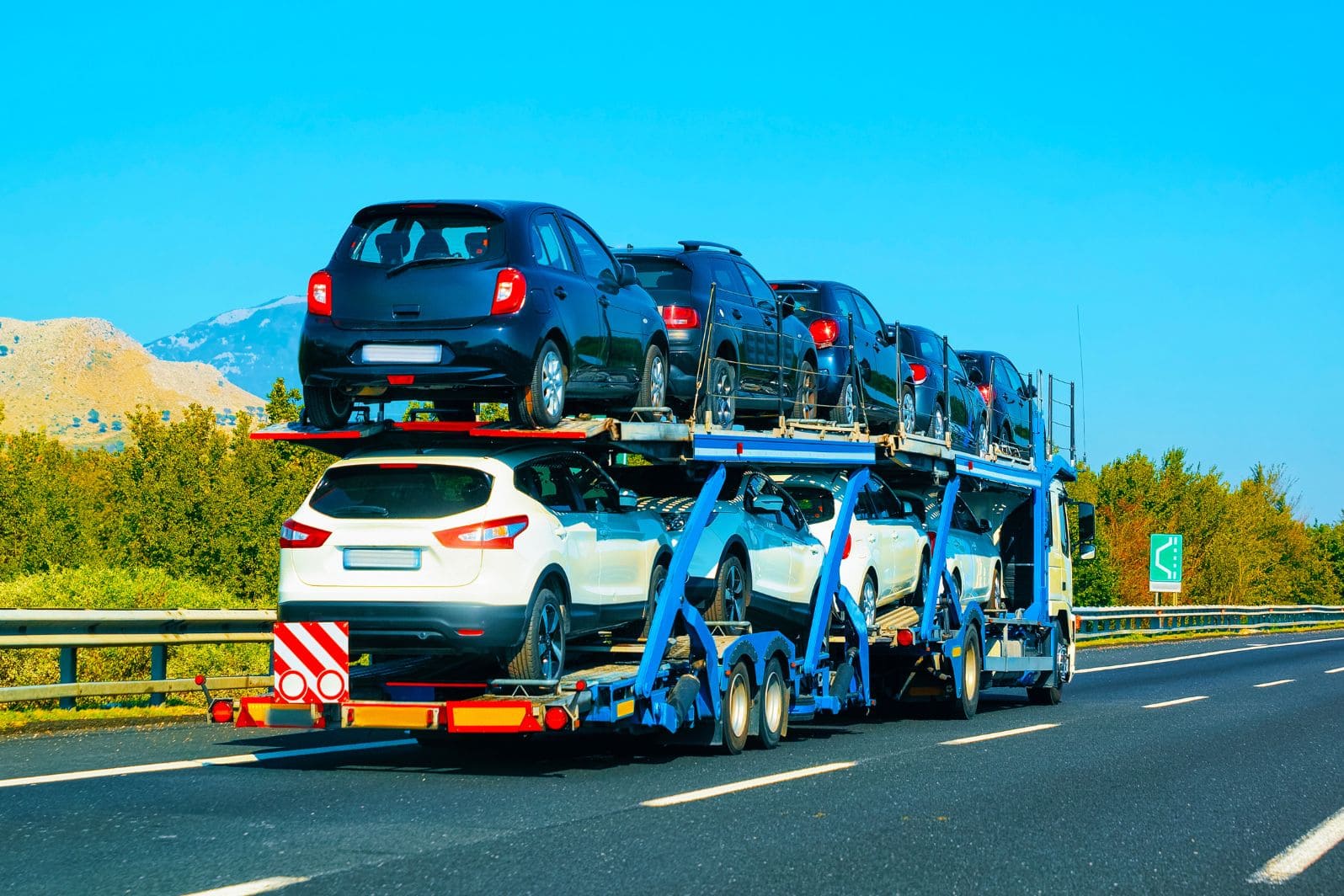
Shipping a car can feel overwhelming, especially when you’re weighing your options for the first time. Should you drive it yourself across the country? Pay extra for an enclosed trailer? Or go with the method you see rolling down every highway in America?
If you’ve ever spotted a large, two-level truck stacked with cars heading to dealerships or private buyers, you’ve already seen open car carrier transport in action. It’s the most widely used vehicle shipping method in the United States, and for good reason.
In this guide, we’ll break down the top 8 benefits of open car carrier transport, share practical tips for booking it, and answer the most common questions so you can ship your car with confidence.
Table of Contents
What Is Open Car Carrier Transport?
Open car carrier transport is a shipping method where vehicles are loaded onto a multi-level, open-air trailer and hauled to their destination. These trailers typically carry between 7 and 10 vehicles at a time, which is why you often see them delivering new cars to dealership lots.
The vehicles are secured with heavy-duty straps or wheel nets and transported without any walls or roof covering them. It’s the same method auto manufacturers have trusted for decades to move brand-new cars from factories to showrooms.
8 Key Benefits of Open Car Carrier Transport
1. It’s the Most Affordable Shipping Option
Cost is usually the biggest factor when choosing a car shipping method, and open transport wins by a wide margin. Because carriers can move multiple vehicles in a single trip, the cost per car drops significantly.
On average, open transport is about 30 to 40 percent cheaper than enclosed transport. For a standard cross-country move, you could save anywhere from $400 to $800 or more. That’s real money you can spend on gas, travel, or settling into your new place.
Quick tip: Book 2 to 3 weeks in advance to lock in the best rates and avoid last-minute surcharges.
2. Wider Availability and Faster Pickup
Since open carriers are the industry standard, there are far more of them on the road than enclosed trucks. This means:
- Shorter wait times for pickup
- More route options
- Easier scheduling, even for last-minute moves
- Greater flexibility in both urban and rural areas
If you live in a smaller town or need your car shipped quickly, open transport is almost always available when enclosed options may not be.
3. Faster Delivery Times
Because open carriers run more frequent routes and cover more ground, your vehicle typically reaches its destination sooner. Drivers of open carriers often have steady, well-traveled routes between major cities, which translates to reliable transit windows.
A typical coast-to-coast shipment takes around 7 to 10 days with open transport, while enclosed shipments can sometimes take longer due to limited availability.
4. Safe and Reliable for Most Vehicles
A common myth is that open transport isn’t safe. In reality, car shipping companies have been using this method for decades to transport brand-new cars worth tens of thousands of dollars. If it’s trusted by major manufacturers like Ford, Toyota, and Honda, it’s more than sufficient for most personal vehicles.
Carriers use professional loading techniques, secure tie-downs, and experienced drivers. Damage rates for reputable open carriers are very low, typically under 2 percent, and reputable companies carry full insurance coverage.
5. Easy Visual Inspection at Pickup and Delivery
One underrated benefit of open transport is how easy it is to inspect your vehicle. Since there are no walls blocking the view, you or the driver can quickly walk around the car and document its condition before loading and after unloading.
This transparency helps you:
- Spot any pre-existing damage clearly
- Take accurate photos for the Bill of Lading
- Resolve any disputes faster if something goes wrong
Pro tip: Always wash your car before pickup so scratches or dings are easier to spot.
6. Eco-Friendlier Than Individual Transport
Driving your car across the country or shipping it on a single-vehicle truck creates a much larger carbon footprint than consolidated transport. Open carriers move multiple vehicles in one trip, which reduces emissions per vehicle significantly.
If sustainability matters to you, choosing open transport over long-distance self-driving or enclosed single-vehicle shipping is a greener choice.
7. Trusted and Proven Industry Standard
Roughly 97 percent of all vehicles shipped in North America travel on open carriers. That’s billions of successful shipments over the years. This widespread use means:
- Drivers are highly experienced
- Equipment is well-maintained and standardized
- Processes are streamlined and efficient
- Customer service teams know how to handle issues quickly
When you choose open transport, you’re choosing a method that’s been refined by decades of real-world use.
8. Flexible Routing and Door-to-Door Service
Open carriers can access a wider range of pickup and drop-off locations compared to enclosed trucks, which are often larger and harder to maneuver. Most open carrier companies offer door-to-door service, meaning the driver will come as close to your home or business as local roads, low-hanging trees, and traffic laws allow.
If the street is too narrow or has tight turns, the driver may suggest meeting at a nearby parking lot, which is standard practice and nothing to worry about.
When to Choose Open vs. Enclosed Transport
Open transport is perfect for most situations, but there are times when enclosed might make sense. Here’s a quick comparison:
Choose open car carrier transport if:
- You’re shipping a standard daily driver, SUV, or truck
- You want to save money
- You need faster pickup or delivery
- Your car is already used to outdoor exposure
Consider enclosed transport if:
- You’re shipping a luxury, classic, or exotic vehicle
- The car has a very low ground clearance
- You want full protection from weather and road debris
- The vehicle has high sentimental or monetary value
Tips for a Smooth Open Carrier Shipping Experience
Make your shipping experience even better with these practical tips:
- Get at least 3 quotes from licensed, insured carriers before booking.
- Check reviews on independent platforms like the Better Business Bureau and Transport Reviews.
- Verify FMCSA registration using the carrier’s USDOT number.
- Remove personal belongings from the car, as most carriers don’t insure items inside the vehicle.
- Keep fuel level low, around a quarter tank, to reduce weight.
- Document everything at pickup with clear photos and a written inspection report.
- Stay in contact with the driver or dispatcher for real-time updates.
Final Takeaway
Open car carrier transport is the gold standard of vehicle shipping for good reason. It’s affordable, widely available, fast, safe, and eco-friendlier than most alternatives. For the vast majority of cars, trucks, and SUVs, it’s the smartest and most practical choice.
Before you book, compare quotes, read reviews, and verify licensing. A little research up front can save you money and give you peace of mind while your car is on the road.
Ready to ship your vehicle? Start by requesting a few quotes, ask the right questions, and choose a carrier you trust. Your car will be at its destination before you know it.
Frequently Asked Questions (FAQ)
Is open car carrier transport safe for my vehicle?
Yes. Open transport is used by nearly all major auto manufacturers to ship brand-new vehicles. Damage rates are very low, and reputable carriers carry full insurance. Your car is secured with professional tie-downs and handled by trained drivers.
How long does open car carrier shipping take?
Delivery times vary based on distance and route. As a general guide:
- Short distances (under 500 miles): 1 to 3 days
- Mid-range (500 to 1,500 miles): 3 to 5 days
- Cross-country (over 2,000 miles): 7 to 10 days
Will my car get damaged from weather or road debris?
While open carriers do expose vehicles to the elements, damage from weather or debris is extremely rare. Your car is elevated on the trailer, and any dust or light dirt can simply be washed off after delivery.
Can I pack items in my car during shipping?
Most carriers allow up to 100 pounds of personal items in the trunk, but they are usually not insured. Check with your specific carrier before loading anything into the vehicle.
How much does open car carrier transport cost?
Costs depend on distance, vehicle size, season, and fuel prices. As a rough guide, expect to pay:
- Short moves (under 500 miles): $300 to $600
- Mid-range moves: $600 to $1,000
- Long-distance or cross-country: $1,000 to $1,500
Do I need to be there for pickup and delivery?
Yes, either you or a trusted representative (at least 18 years old) must be present at both ends to sign the Bill of Lading and inspect the vehicle.
Is open transport eco-friendly?
Compared to driving your car long distances or using a single-vehicle enclosed truck, open carriers are far more fuel efficient per vehicle since they transport multiple cars in one trip.
Can any vehicle be shipped on an open carrier?
Most standard cars, SUVs, trucks, and even some motorcycles can be transported on open carriers. However, very low or oversized vehicles may require special accommodations or enclosed transport.
