


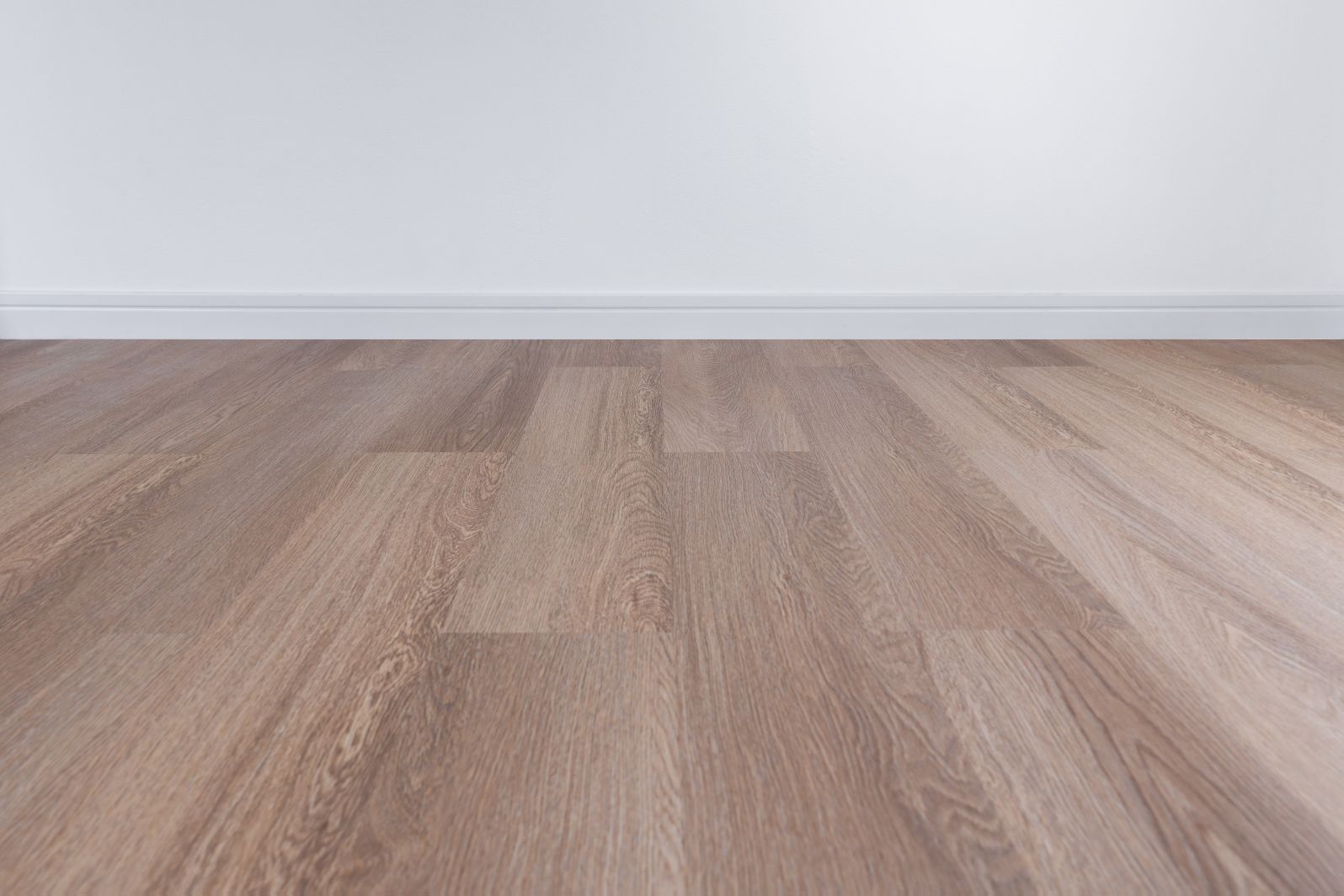
Warping is one of the most common issues homeowners face with wooden flooring, and it can quickly turn from a minor inconvenience into a serious problem. It typically appears as bending, cupping, or lifting of the floorboards, affecting both the look and stability of the surface. While it may seem like a cosmetic issue at first, warping often signals underlying problems that need immediate attention. Acting early can help you avoid expensive repairs and preserve the lifespan of your flooring.
Table of Contents
What Causes Wooden Floors to Warp?
Wood is a natural material that reacts to its environment, making it particularly sensitive to changes in moisture and temperature. When conditions are not properly controlled, the structure of the wood begins to shift, leading to visible deformation. Understanding the root cause is the first step toward fixing the issue effectively.
The most common causes of warping include:
- Excess moisture or humidity causing the wood to expand unevenly
- Poor installation practices that don’t allow for natural movement
- Water damage or leaks from plumbing or spills
- Inadequate ventilation trapping moisture beneath the flooring
Each of these factors can weaken the integrity of the wood over time. Identifying which one applies to your situation is crucial before attempting any repairs.
Signs Your Wooden Floor Is Warping
Warping does not always happen suddenly, and early warning signs can be easy to overlook. However, catching these signs early can prevent more extensive damage and reduce repair costs. Even small irregularities can indicate that the floor is under stress.
Look out for issues such as uneven surfaces, slight bulging in certain areas, or gaps forming between boards. You may also notice creaking sounds when walking across the floor, which can signal movement beneath the surface. Addressing these symptoms early helps prevent the problem from spreading further.
The Role of Moisture and Environment
Moisture is the leading cause of most wooden floor problems, and controlling it is essential for maintaining a stable surface. Changes in humidity levels throughout the year can cause wood to expand in damp conditions and contract when the air is dry. This constant movement places stress on the material, eventually leading to warping.
Maintaining a consistent indoor environment is key to preventing these issues. Using dehumidifiers in damp areas, ensuring proper ventilation, and avoiding excessive water exposure during cleaning can all make a significant difference. Even small adjustments in your home’s climate control can help protect your flooring.
How to Fix Warped Wooden Floors
The method for fixing warped flooring depends largely on the severity of the damage. In mild cases, reducing moisture levels and allowing the wood to dry naturally may help it return to its original shape. However, more advanced warping often requires sanding, refinishing, or even replacing affected boards.
Working with natural wood flooring often requires a high level of skill and precision. Relying on professional oak floor restoration services helps ensure that the right methods are applied, maintaining both the visual appeal and structural strength of the floor. A professional approach not only refreshes the surface but also resolves the root causes behind the damage, preventing future issues.
Preventing Future Warping Issues
Once your flooring has been repaired, taking steps to prevent future problems is essential. Consistent maintenance and environmental control play a major role in keeping wooden floors in good condition. Neglecting these factors can lead to recurring issues, even after professional repairs.
To reduce the risk of warping, consider maintaining stable humidity levels, cleaning spills immediately, and ensuring proper airflow throughout your home. Regular inspections can also help you spot early signs of trouble before they develop into major problems. Prevention is always more cost-effective than repair.
Protecting Your Wooden Floors for Long-Term Performance
Wooden floors are a valuable feature in any home, but they require proper care to maintain their beauty and functionality. Warping is often preventable when the right precautions are taken and issues are addressed early. A proactive approach not only extends the lifespan of your flooring but also protects your overall investment.
By understanding the causes, recognizing the signs, and taking timely action, you can keep your wooden floors in excellent condition for years to come. Combining regular maintenance with professional support when needed ensures your flooring remains both durable and visually appealing.
