


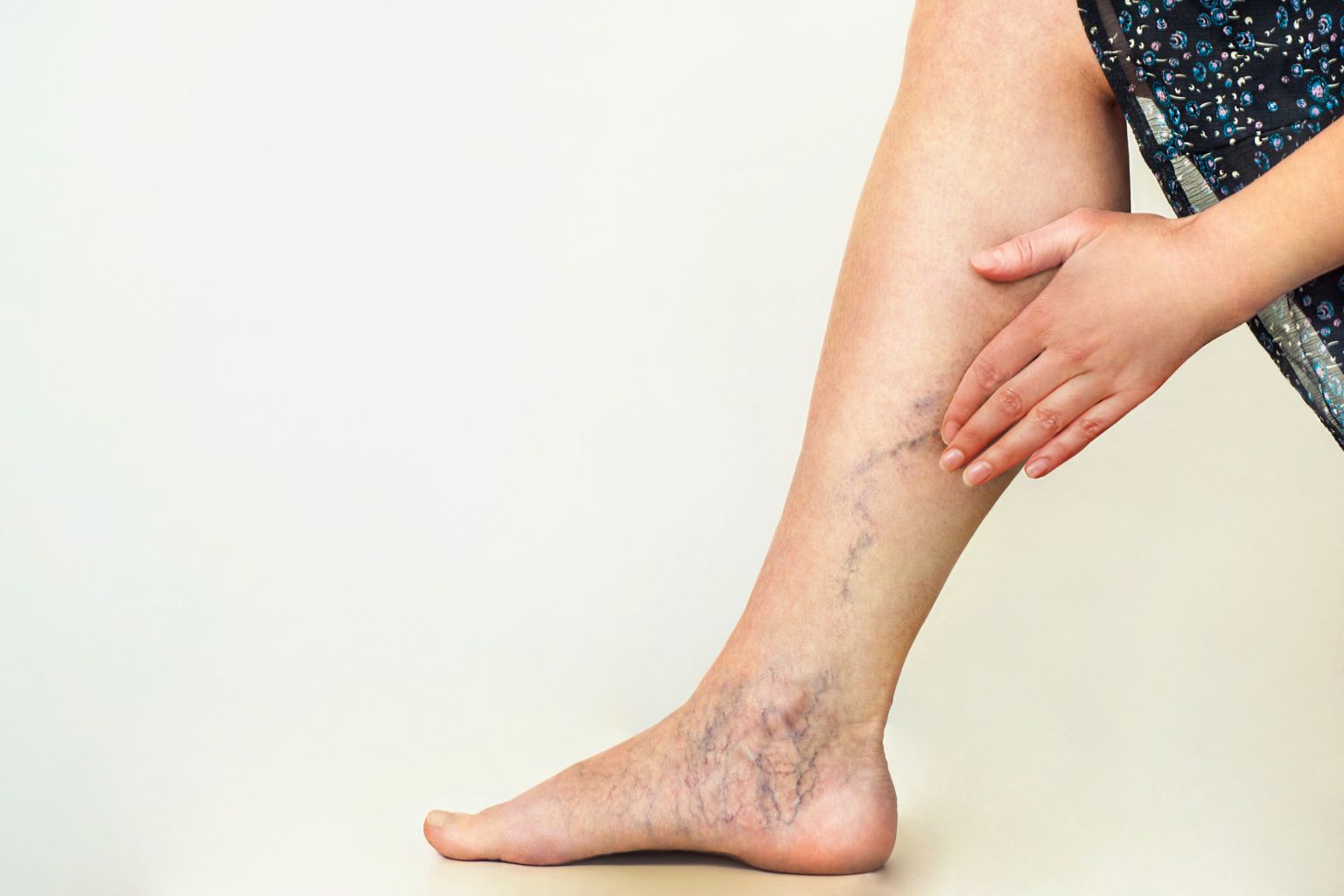
Bulging leg veins are often more than a cosmetic issue. Many people also deal with aching, heaviness, swelling, itching, or cramps at night. These symptoms can point to vein valves that are no longer working well, which allows blood to collect in the legs. Early assessment is important because vein disease may progress over time. With the right care, people can often ease discomfort, support healthier circulation, and reduce the appearance of enlarged veins through safe, office-based treatment options.
Table of Contents
Why Bulging Veins Appear
Leg veins move blood back to the heart. Small valves inside these vessels help keep blood flowing upward. If the valves weaken, blood can begin to pool in the lower legs. That added pressure may cause veins to enlarge, twist, and become more visible beneath the skin.
Several factors can increase the chances of this problem developing. Age, genetics, pregnancy, extra body weight, and long hours of standing can all contribute. Symptoms differ from person to person, though aching after a busy day is common. For those considering care choices in Waterbury, learning about varicose vein treatment in Waterbury can help connect visible vein changes with the circulation problems that often cause them and make the next step feel clearer.
Signs That Deserve Medical Attention
At first, some vein changes may seem minor. Even so, certain symptoms should prompt a medical evaluation. Ongoing swelling, skin discoloration, tenderness, or a burning feeling deserve attention. Restless legs and end-of-day fatigue can also be tied to poor vein circulation.
Changes in the skin are especially important to watch. Dryness, irritation, or thickened skin near the ankles may signal long-term pressure in the veins. In later stages, sores can form on the lower leg. Early care may help lower the chance of those complications.
- What to Do When Symptoms Shift
A sudden increase in pain should be checked without delay. The same is true for redness, warmth, or a firm area over a vein. These signs may suggest inflammation or a clot-related concern. A clinician can determine whether further testing is needed.
How Vein Problems Are Diagnosed
Diagnosis usually begins with a physical exam and a review of symptoms. In many cases, the next step is a duplex ultrasound. This imaging test shows how blood moves through the veins in the legs. It can also reveal valve failure, blocked areas, and the source of the visible vein changes.
That ultrasound is valuable because appearance alone does not tell the full story. One person may have large, raised veins with little discomfort, while another has smaller, visible veins with significant pain. Imaging helps guide care and gives a clearer basis for treatment decisions.
Relief Options That May Help
Treatment depends on the following:
- Vein size
- Symptoms
- Ultrasound results
In many situations, conservative steps are tried first. Compression stockings can improve blood flow and help limit swelling. Walking regularly, elevating the legs, and reducing long periods of sitting or standing may also bring relief.
If symptoms continue, office treatments may be appropriate. Sclerotherapy involves injecting a medical solution into damaged veins so they close over time. Blood then moves through healthier vessels instead. This approach is often used for spider veins and certain surface varicose veins.
- Minimally Invasive Treatments
Larger problem veins may respond better to endovenous treatment. These methods use heat or a medical adhesive to close the affected vessel from within. They are usually performed in an office setting and do not require a hospital stay. Most patients are able to return to daily activities fairly quickly.
Phlebectomy may also be recommended in some cases. During this procedure, a clinician removes bulging surface veins through very small openings in the skin. It can help improve symptoms while also reducing the visible appearance of raised veins.
What to Expect During Recovery
Recovery is often simpler than people expect. Walking is usually encouraged soon after treatment because movement helps support circulation. Mild bruising, tenderness, or a sense of tightness can occur for a short period. Compression stockings may also be recommended during the early healing phase.
Follow-up care plays an important role as well. These visits help confirm that the treated vein has closed properly and that nearby healthy veins are carrying blood as they should. Some patients need more than one treatment session, especially when several groups of veins are involved.
Preventing Future Flare-Ups
Healthy daily habits cannot remove every risk factor, but they can reduce pressure on the leg veins. Regular walking helps the calf muscles push blood upward. Weight control may lessen strain on the veins. During long work hours, changing position often can also help.
Ongoing support may still be useful after treatment. Some people benefit from wearing compression garments during travel or while standing for long stretches. A clinician can recommend the best plan based on symptoms, vein health, and daily activity.
Conclusion
Bulging leg veins often point to an underlying circulation issue, rather than a surface concern alone. That is why a full evaluation, along with ultrasound imaging, can be so helpful. From compression therapy to minimally invasive treatments, several options can ease discomfort, reduce swelling, and improve appearance. Seeking care early may help slow progression and support better day-to-day comfort. With an informed treatment plan, many people can move more easily and feel more confident in their legs.
