


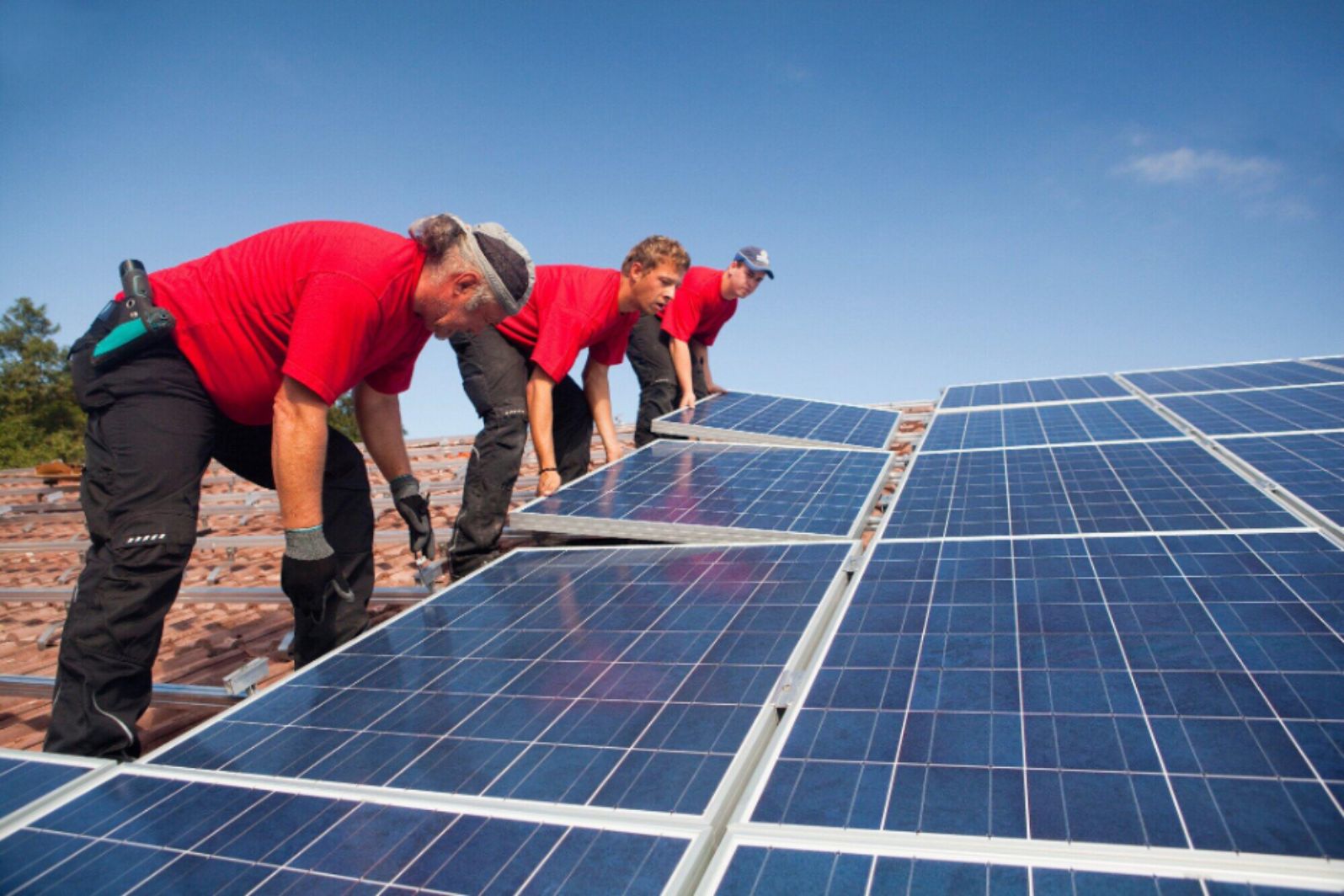
For many homeowners, installing solar panels feels like the final step in creating a more energy-efficient, sustainable home. Once the system is up and running, most people assume it will stay in place for decades without interruption.
But here’s something many homeowners don’t realize until years later: there’s a good chance your solar panels may eventually need to come off the roof temporarily.
Whether it’s because of roof repairs, storm damage, home renovations, or system upgrades, solar panel removal and reinstallation is far more common than most people expect.
And when homeowners first hear they may need to remove their solar system, the reaction is usually the same:
“Wait… I have to take my solar panels off just to repair my roof?”
In many cases, the answer is yes.
The good news is that with the right planning and an experienced solar team, the process can be smooth, safe, and far less stressful than homeowners fear.
Understanding how solar panel removal and reinstallation works (and why doing it correctly matters) is essential for protecting both your roof and your solar investment.
Table of Contents
Why Solar Panels Sometimes Need to Be Removed
Solar systems are designed to last 25 years or more. Unfortunately, most roofs are not.
That means many homeowners eventually face a situation where roofing work must happen before the solar system reaches the end of its lifespan.
There are several common reasons solar panels need to be removed and reinstalled.
Roof Replacement Is the Most Common Reason
The number one reason homeowners remove solar panels is roof replacement.
Roofing contractors cannot properly replace shingles, repair underlayment, or address structural roofing issues with solar panels mounted directly on top of the work area.
If a roof is nearing the end of its lifespan, the solar system often needs to come down temporarily while roofing repairs or replacement are completed.
This is why many experienced solar professionals recommend evaluating roof condition before installing solar in the first place. Installing solar on an aging roof can lead to avoidable removal and reinstallation costs just a few years later.
When handled correctly, however, the process is straightforward and allows homeowners to protect both their roof and solar system long term.
Storm Damage and Emergency Repairs
Severe weather events can also create situations where solar panel removal becomes necessary.
Hail, high winds, falling branches, and heavy storms can damage:
- Roofing materials
- Flashing
- Mounting hardware
- Electrical connections
- Solar panels themselves
In these situations, removing the system allows contractors to safely inspect and repair the underlying structure before reinstalling the solar array.
Emergency roof repairs often require quick action to prevent leaks or structural deterioration, making proper coordination between roofing and solar professionals extremely important.
Solar System Upgrades and Equipment Replacement
Sometimes the roof isn’t the issue at all.
As solar technology continues advancing, some homeowners choose to upgrade:
- Inverters
- Battery systems
- Monitoring technology
- Electrical components
- Panel configurations
Certain upgrades may require temporary panel removal to access wiring, mounting hardware, or roof penetrations.
In other cases, homeowners expand their system to meet growing energy demands, especially after purchasing electric vehicles, adding home additions, or installing battery storage.
Temporary removal and reinstallation help ensure these upgrades are completed safely and efficiently.
Home Renovations and Structural Changes
Major home improvement projects can also require solar panel removal.
Examples include:
- Adding a second story
- Installing skylights
- Expanding rooflines
- Structural framing work
- Roof redesigns
Construction crews need safe access to the roof and underlying structure, which often means temporarily relocating the solar system during renovations.
Even projects involving patio covers, outdoor living spaces, or pool-related systems sometimes require partial solar disassembly.
Why Proper Solar Panel Removal Matters
At first glance, removing solar panels might seem simple.
Many homeowners assume technicians just unscrew the panels, move them aside, and reinstall them later.
In reality, solar panel removal and reinstallation is a highly technical process involving:
- Electrical systems
- Roofing integrity
- Structural mounting
- Waterproofing
- System calibration
- Performance testing
Improper removal can lead to:
- Roof leaks
- Cracked panels
- Damaged wiring
- Electrical hazards
- Voided warranties
- Reduced system efficiency
That’s why working with experienced solar professionals is critical.
Solar systems are expensive investments. The goal isn’t simply removing the panels. It’s protecting the entire system so it performs properly after reinstallation.
Step-by-Step: How Solar Panel Removal and Reinstallation Works
Understanding the process helps homeowners feel far more confident about the project.
While every home and system is different, most professional removal and reinstallation projects follow a similar structure.
Step 1: Full System Inspection and Evaluation
Before any work begins, technicians perform a comprehensive inspection of the system.
This typically includes evaluating:
- Roof condition
- Panel condition
- Mounting hardware
- Electrical wiring
- Inverter systems
- Roof penetrations
- Existing waterproofing
The inspection identifies any issues that should be addressed during the removal process.
This stage is also important for documenting current system conditions before disassembly begins.
Step 2: Safe System Shutdown
Solar systems generate electricity whenever sunlight hits the panels, which means proper shutdown procedures are essential for safety.
Technicians carefully disconnect:
- Electrical circuits
- Inverters
- Monitoring systems
- Battery connections (if applicable)
Following proper shutdown procedures protects both workers and equipment during the removal process.
Step 3: Panel Removal and Equipment Labeling
Once the system is safely powered down, technicians begin removing the solar panels.
Panels are carefully detached from the mounting system and organized systematically to ensure smooth reinstallation later.
Experienced crews label:
- Panels
- Wiring
- Connectors
- Hardware
- Mounting components
Proper organization helps avoid installation errors and ensures the system returns to its original configuration whenever possible.
Panels are then stored safely to prevent damage during roofing or construction work.
Step 4: Roof Repairs or Construction Work
After the solar system is removed, roofing or structural contractors can begin their work.
This may involve:
- Full roof replacement
- Shingle repairs
- Underlayment replacement
- Flashing improvements
- Structural reinforcement
- Water damage repairs
This phase is especially important because it creates an opportunity to improve roof waterproofing and flashing around future solar mounting points.
Proper flashing installation is critical for preventing future roof leaks after the system is reinstalled.
Step 5: Solar Panel Reinstallation
Once roofing or construction work is complete, the solar system is reinstalled.
This process includes:
- Reattaching mounting hardware
- Securing roof penetrations properly
- Reinstalling panels
- Reconnecting electrical systems
- Restoring monitoring systems
- Recalibrating equipment
Experienced installers ensure the system is mounted securely, aligned properly, and operating according to manufacturer specifications.
Step 6: Final Testing and Performance Verification
After reinstallation, technicians thoroughly test the system to confirm everything is functioning correctly.
This includes verifying:
- Electrical output
- Inverter performance
- Monitoring connectivity
- Safety systems
- Panel production levels
Final testing ensures the system is generating energy efficiently and safely before the project is considered complete.
How Long Does Solar Panel Removal and Reinstallation Take?
One of the most common homeowner questions is how long the process will take.
While timelines vary depending on project complexity, most residential projects follow a general schedule.
Typical Timeline
- Solar panel removal: 1–2 days
- Roofing or repair work: several days
- Reinstallation: 1–2 days
In most cases, homeowners can expect the overall process to take anywhere from 3–7 days total.
Larger systems, complicated roof structures, or extensive repairs may require additional time.
Weather conditions can also affect scheduling.
What Affects the Cost of Solar Panel Removal and Reinstallation?
Cost is naturally one of the biggest concerns homeowners have.
The reality is that pricing varies significantly depending on several factors.
Roof Complexity
Steep roofs, multi-level rooflines, or difficult access points increase labor requirements and safety precautions.
Complex roofs require more time and specialized handling, which affects project cost.
System Size
Larger systems with more panels naturally require more labor for removal, storage, and reinstallation.
A 10-panel system will cost significantly less to handle than a 40-panel array.
Roof Condition
Damaged roofs sometimes require additional coordination, temporary repairs, or mounting adjustments during reinstallation.
Older roofing systems may also need upgraded flashing or reinforcement.
Equipment Age and Condition
Older systems occasionally require replacement parts during reinstallation.
In some cases, homeowners choose to combine removal projects with:
- Inverter upgrades
- Electrical improvements
- Monitoring system upgrades
- Panel replacements
Combining projects can improve long-term system performance and reduce future labor costs.
Local Labor Rates
Regional labor costs also influence pricing.
Homeowners in high-demand solar markets often see different pricing structures depending on local competition and service availability.
Average Removal and Reinstallation Costs
While every project is unique, most residential homeowners can expect solar panel removal and reinstallation costs to range between:
- $1,500 and $6,000+
The final price depends heavily on:
- Roof complexity
- Number of panels
- Equipment condition
- Repair requirements
- Accessibility
- Local labor costs
Although this may seem significant initially, it’s important to view the expense within the larger context of a solar system designed to deliver decades of energy savings.
Does Insurance Cover Solar Panel Removal?
Insurance coverage depends on why the removal is necessary.
In some situations, homeowners insurance may help cover costs if removal is related to:
- Storm damage
- Fallen trees
- Fire damage
- Covered structural repairs
However, routine roof replacement due to aging materials is generally not covered.
Homeowners should always contact their insurance provider before beginning work to clarify:
- Coverage limitations
- Deductibles
- Documentation requirements
- Contractor approvals
Proper documentation from solar professionals can often help support insurance claims when applicable.
Why DIY Solar Panel Removal Is Risky
Some homeowners consider removing panels themselves to save money.
This is almost always a mistake.
Solar systems involve:
- Live electrical systems
- Specialized mounting hardware
- Roof waterproofing
- Expensive equipment
- Manufacturer warranties
DIY removal can create serious risks, including:
- Electrical injury
- Roof damage
- Broken panels
- Improper reconnection
- Voided warranties
Professional solar technicians have the training and equipment necessary to perform the work safely and correctly.
Choosing the Right Solar Removal Company
Not all contractors are qualified to handle solar removal and reinstallation projects.
Homeowners should look for companies that:
- Specialize in solar systems
- Have removal and reinstallation experience
- Understand roofing coordination
- Offer clear communication
- Provide warranty-backed work
- Perform full system testing
This is not an area where cutting corners pays off.
Choosing an inexperienced contractor can lead to leaks, electrical problems, or long-term system inefficiencies.
Why Trust Is Important
When homeowners need solar panel removal and reinstallation, experience matters. Their team understands how stressful roof repairs and solar system disruptions can feel. They focus on:
- Careful system handling
- Transparent communication
- Detailed inspections
- Safe reinstallation
- Long-term performance protection
Whether you need temporary panel removal for a roof replacement, system upgrades, or structural repairs, having an experienced solar team on your side makes the entire process far smoother.
Protect Your Roof, Your Solar System, and Your Investment
Solar systems are built for long-term value, but eventually, most homeowners will face a situation where temporary removal becomes necessary.
The key is handling the process correctly from the beginning.
Proper solar panel removal and reinstallation protects:
- Your roof
- Your electrical system
- Your energy production
- Your manufacturer warranties
- Your long-term investment
If you’re planning roof repairs, dealing with storm damage, or considering home renovations, now is the time to speak with experienced professionals.
Reach out to discuss your solar panel removal and reinstallation needs and ensure your system is handled safely, professionally, and with the long-term performance of your home in mind.
Because at the end of the day, solar isn’t just about panels on a roof. It’s about protecting the investment you made in your home, your energy future, and your peace of mind.
