


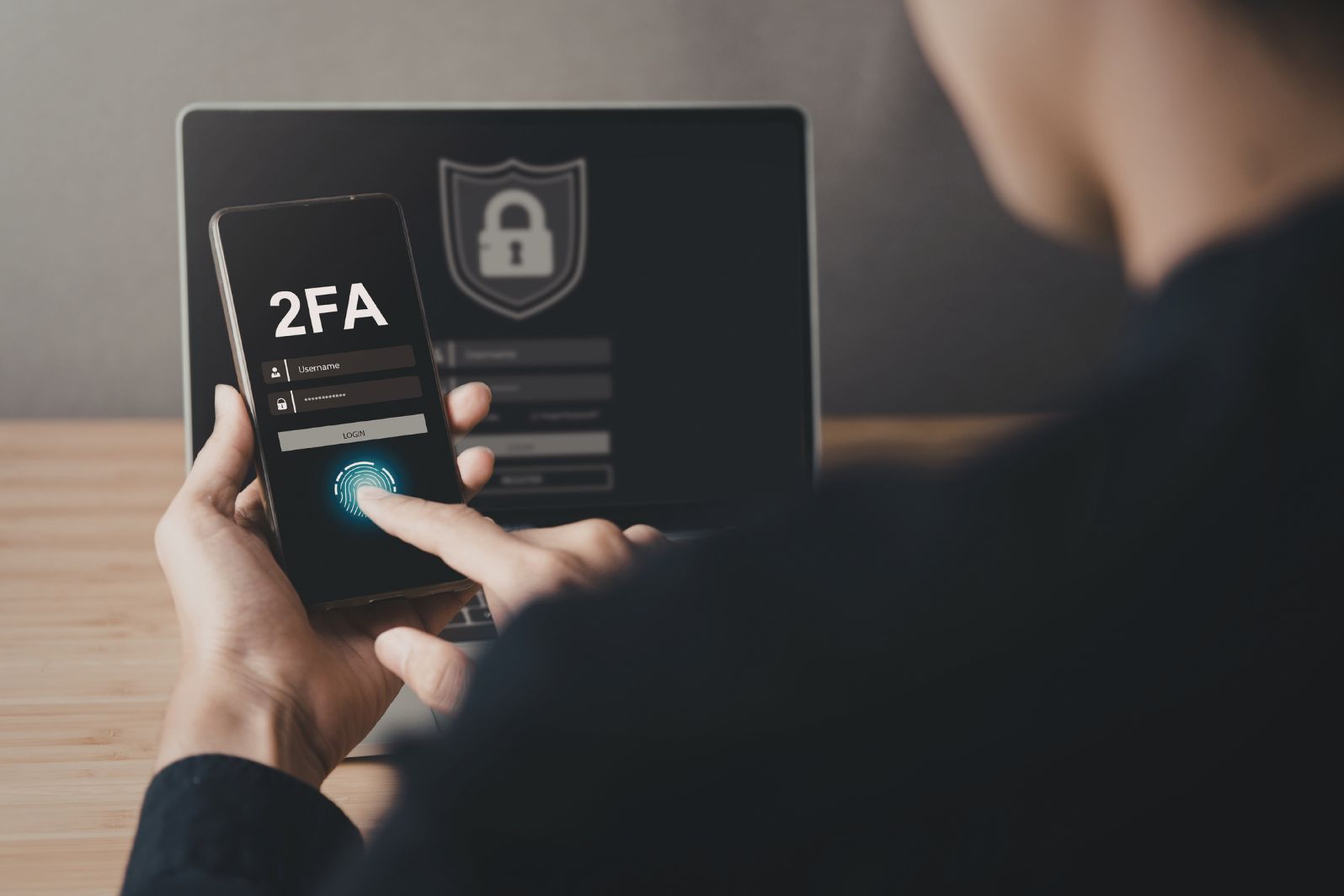
Today, online accounts hold more sensitive data than ever before. From banking and social media to online casinos and gaming platforms, protecting login credentials has become essential. One of the most widely used security methods is two-factor authentication (2FA), which adds an extra verification step beyond a password.
Among the most common forms of 2FA are SMS-based authentication and app-based authentication. While both methods improve account security, they differ in how they work, their reliability, and the level of protection they provide. Understanding these differences can help users choose the safest option for their digital accounts.
Table of Contents
Understanding Two-Factor Authentication
Two-factor authentication (2FA) adds an extra security layer by requiring two forms of verification before accessing an account. Usually, the first factor is a password, while the second is a one-time code sent to or generated on the user’s device.
This step greatly reduces the risk of unauthorized access. Even if a password is compromised through phishing or a data leak, an attacker would still need the second verification factor. Many online services, including financial and gaming platforms, now encourage users to enable 2FA to improve account protection.
How SMS-Based 2FA Works
SMS-based authentication is one of the most common forms of two-factor verification. After entering login credentials, the system sends a one-time code via text message to the user’s phone, which must be entered to complete the login process.
The method is widely used because it is simple and works on almost any mobile phone without additional apps. However, it also has security limitations, as attackers may exploit mobile networks through techniques like SIM swapping to intercept verification codes.
Why App-Based 2FA Is Often More Secure
App-based authentication uses dedicated applications such as Google Authenticator, Microsoft Authenticator, or Authy. Instead of receiving a code via SMS, the authentication app generates a temporary code directly on the user’s device.
These codes refresh every 30 seconds and are created using a secure algorithm linked to the user’s account. Because the codes are generated locally, they cannot be intercepted through mobile networks.
App-based 2FA also works without a mobile signal or internet connectivity, making it reliable when travelling or on restricted networks.
For users who regularly access online services such as gaming platforms or online casinos, stronger authentication can be particularly important. When accessing accounts connected to digital entertainment services, players may encounter secure login portals similar to the official slotoro login page that use security measures to protect personal information and account balances.
Comparing Security and Convenience
Both SMS and app-based authentication aim to improve account security, but they differ in several key areas.
| Feature | SMS 2FA | App-Based 2FA |
| Ease of Setup | Very easy | Slightly more setup required |
| Device Requirements | Any phone with SMS | Smartphone with authenticator app |
| Security Level | Moderate | High |
| Risk of Interception | Possible (SIM swap, SMS attacks) | Very low |
| Works Without Signal | No | Yes |
SMS authentication offers maximum convenience, especially for users unfamiliar with authentication apps. However, app-based solutions provide stronger protection against modern cyber threats.
For high-value accounts or services involving financial transactions, many security specialists now recommend app-based authentication as the safer option.
Which Method Should You Choose?
The best authentication method often depends on how the account is used. For casual platforms with minimal sensitive data, SMS authentication may still be sufficient. It adds an important extra layer of security compared to relying on passwords alone.
However, for accounts that involve financial activity, personal data, or stored balances, app-based authentication is usually the better choice. It minimizes the risk of interception and protects users from attacks targeting mobile networks.
Ideally, users should also combine 2FA with other security habits, such as:
- Using strong, unique passwords;
- Avoiding suspicious links and phishing attempts;
- Enabling login alerts and security notifications;
- Keeping devices and apps updated.
These practices work together to create a stronger overall security environment.
The Growing Importance of Secure Logins
As digital services continue to expand, the importance of protecting online accounts becomes even greater. Two-factor authentication is no longer just an optional feature—it is becoming a standard layer of defense for modern platforms.
While SMS authentication remains widely used due to its simplicity, app-based 2FA is increasingly recognized as the more secure and reliable option. For users seeking stronger protection against modern cyber threats, switching to an authentication app can significantly enhance account security.
Ultimately, the safest approach is to enable 2FA whenever possible and choose a method that balances security and convenience for your daily online activities.
