


The traditional classroom is going through a quiet but massive change. Honestly, it isn’t just about the tablets on the desks or the glow of interactive boards. It’s about something much more basic. It’s about the way we actually talk to one another. For decades, the language barrier has been one of the biggest hurdles in global education. I’ve seen students who moved to new countries spend years sitting in silence, just waiting for their language skills to catch up with their brains. It is heartbreaking to watch that spark dim because they cannot speak up.
But today, that silence is finally being broken by the tech in our pockets.
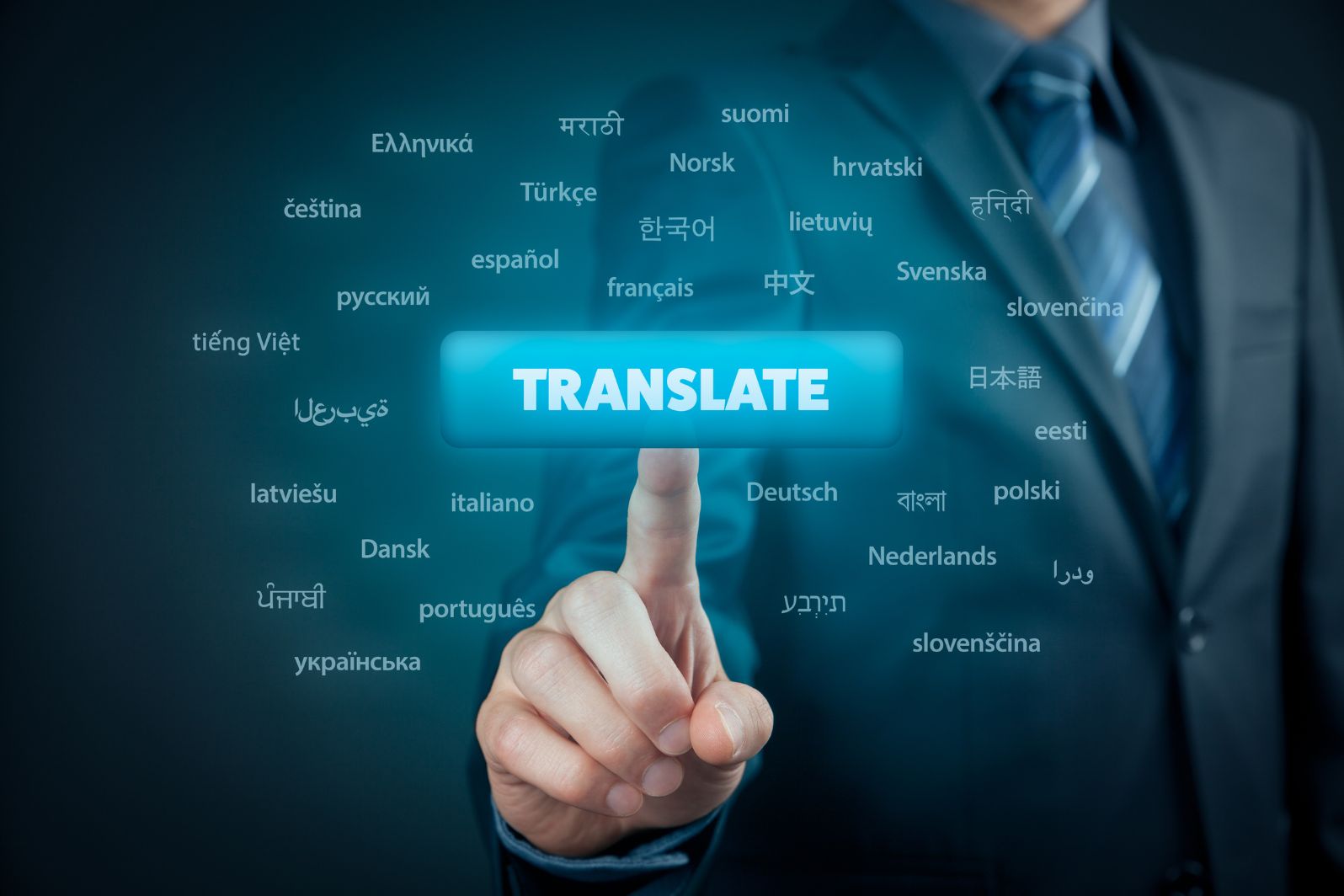
AI-powered voice translator apps aren’t just for tourists trying to find a coffee shop anymore. They’ve become essential partners in the learning journey. By providing real-time translation, these apps are creating a more inclusive and moving environment for everyone. So, we’re seeing a shift from a world where language was a gatekeeper to a world where language is a bridge. And that’s the point.
Table of Contents
Breaking the Wall of Silence for ESL Students
One of the biggest impacts of this tech is seen in the lives of English as a Second Language students. Imagine being a bright teenager who totally understands complex science but cannot explain a single bit of it because the words are trapped. Have you ever had a brilliant idea but lacked the words to set it free? I guess we have all felt that way at some point, but for these kids, it is every single day. This creates a disconnect that leads to a lot of frustration and lost confidence.
Voice translator apps let these students jump in right now.
Instead of waiting for a bilingual aide who might not even be available, a student can use an app to understand a lecture as it’s happening. They can hear the teacher’s voice and see a transcript in their own language. More importantly, they can speak their thoughts into the device and have them translated for the whole class. This immediate loop is so vital. It keeps the student engaged with the lessons while they keep up the long-term work of learning a new language. You know, it gives them their voice back.
Empowering Teachers in Diverse Classrooms
Teachers are dealing with classrooms that are more diverse than ever. In many big school districts, a single teacher might have students who speak five or six different languages. It’s an impossible task for one person to be fluent in all of them. And that is where these tools step in to give some much-needed support.
These apps let teachers communicate clearly with every student in the room. They can give instructions, explain small details, and offer emotional support without needing a middleman every single time. It also makes talking to parents a lot easier. Parent-teacher conferences are usually tough when there’s a language gap. But with a voice translator, a teacher can have a direct talk with a parent about how a child is doing. This builds a sense of community and trust that was honestly hard to get before. Maybe even impossible.
A New Way to Learn Foreign Languages
The benefit isn’t just for those trying to learn the local language. Students who are studying foreign languages for school are using these apps to sharpen their skills, too. Traditional language learning usually focuses way too much on grammar and reading. But isn’t the heart of any language the ability to speak and actually be understood?
Voice translators give students a safe space to practice how they sound. They can speak a sentence into the app and see if it can correctly figure out the translation. If the app struggles to understand, the student knows they need to work on being clearer. It gives instant, friendly feedback. No judgment. And this encourages them to practice more often while helping them get over the fear of making mistakes in front of the class.
The Shift Toward Global Collaboration
Education is becoming a lot more global. Schools are now constantly partnering with classrooms in other countries for projects. In the past, these deals were limited by the need for a common language or expensive translation help. AI voice translators have knocked those walls down.
Students in a classroom in New York can now have a live talk with students in Tokyo or Madrid. They can share cultural stories, work on science experiments together, and talk about global issues as they happen. This exposure to different perspectives is huge.
It’s about more than just words.
It prepares students for a global workforce where they’ll likely work with people from all over. These apps are not just translating words. They’re helping ideas move around.
The Role of Human Connection
While the tech is impressive, we have to remember it’s a tool, not a replacement for real human interaction. The goal of using a voice translator in school is to build deeper connections. It lets a teacher see the talent in a student who cannot speak the language yet. But what happens when the technology fails? Well, then we rely on empathy.
The tech is getting better every day. The lag is disappearing, and the accuracy for different accents and cultures is getting sharper. But the heart of education is still the relationship between the teacher and the student. AI just makes sure that language is not the reason that the relationship falls apart. I can almost hear the hum of the laptop at midnight as a teacher preps a lesson for a student they can finally talk to.
Looking Toward a More Inclusive Future
Looking ahead, having AI voice translators in schools will probably just be the norm. We’re moving toward a future where every student has the chance to learn at their best, no matter what their native tongue is. Can you imagine how much talent we have missed out on in the past just because of a language gap? It’s kind of overwhelming to think about.
We’re finally reaching a point where the only thing that matters in a classroom is the desire to learn and the willingness to share. The walls are coming down, and the conversation is just starting. By using these tools, we are not just making education faster. We’re making it more human. And that’s the point.
