


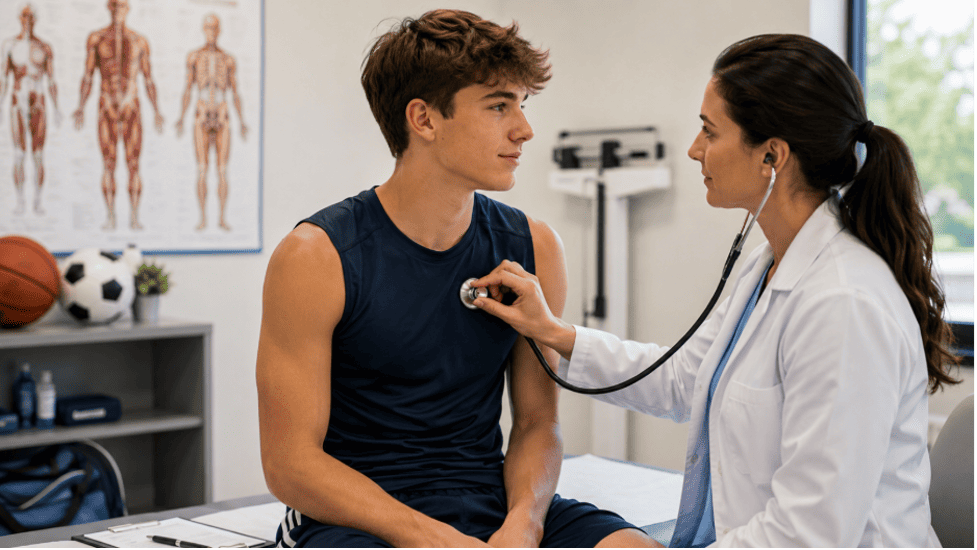
Failure to meet a sports physical deadline may lead to unwarranted stress, particularly during times when tryouts, practices, camps, or competitions are just around the corner. Many athletes and parents do not think about scheduling a sports physical until a deadline is approaching. Consequently, they can encounter unexpected difficulties like unfinished forms, the unavailability of medical records, or a lack of appointments.
At the same time, a sports physical is more than just a requirement. It is a valuable chance to diagnose possible health issues and prevent their impact on sport performance and safety.
Thus, knowing what to expect and how to prepare will allow you to avoid delays and take the process confidently.
This article covers everything athletes should know before scheduling a sports physical, from preparation tips to what happens during the evaluation.
Table of Contents
1. Understand What Sports Physical Is Designed To Evaluate
Before scheduling same-day sports physicals for athletes, it is important to understand the purpose of the exam. Although it is often considered a routine necessity, the assessment has a much greater purpose in assisting the health and safety of athletes.
A sports physical, sometimes referred to as a pre-participation physical examination, is a healthcare procedure that works to identify whether you will be safe to engage in sporting activities. The test is aimed at detecting any possible medical issues that might influence performance or predispose you to an injury.
During the visit, providers typically review your medical history and ask questions about previous injuries, surgeries, medications, allergies, and family health history. Moreover, they evaluate essential health parameters like blood pressure, heart rate, vision, height, and weight.
Physical examination can also involve checking joints, muscles, flexibility, balance, and general mobility. Consequently, the providers will be able to determine issues that might need further consideration prior to sports participation.
Instead of treating the exam as a negative obligation, think of it as a preventive health check that can help you achieve your athletic objectives as well as help minimize unnecessary risks.
2. Gather Necessary Documents Before Your Visit
Proper preparation can make the process faster and more efficient. Therefore, preparing the correct paperwork prior to your appointment will contribute to the absence of delays and provide the provider with the data to complete the assessment.
Begin by acquiring any forms that your school, sports league, camp, or athletic organization may need. Different organizations often have specific paperwork requirements, so reviewing them ahead of time can save valuable time.
A list of current medications, including prescription medications, over-the-counter products, and supplements, should also be provided. In case you have just been vaccinated or treated medically, then it can be useful to have such records on hand.
Also, gather data regarding previous injuries, surgeries, concussions, fractures, or chronic ailments. Although an injury might have happened years ago, providers might have to know how it may influence your current involvement.
Another factor is comfortable clothing. Given that the examination can include movement tests, flexibility tests, and balance tests, athletic or loose clothing can facilitate the process.
When everything is organized beforehand, the visit tends to move more smoothly, allowing you to receive completed forms without unnecessary complications.
3. Be Prepared To Discuss Your Medical History Honestly
The most crucial aspect of a sports physical occurs even before the physical examination has started. In particular, the medical history examination offers useful information that can assist medical professionals in assessing possible risks.
Even though it might be tempting to minimize past trauma or symptoms in order to prevent delays, it is important to be honest. Proper information enables the providers to make proper recommendations that are relevant to your long-term health and athletic performance.
As an example, joint pain that happens repetitively, the feeling of dizziness during exercise, breathing problems, chest pain, or past concussions should be openly discussed. These details may indicate issues that require additional evaluation before participating in sports.
The family medical history is also important. Some heart diseases and other medical issues may be hereditary. Consequently, the exchange of pertinent family health information assists the providers in identifying certain factors that are not evident during a routine checkup.
4. Know What Can Affect Your Clearance Timeline
Many athletes seek sports physicals close to registration deadlines, camp start dates, or the beginning of a season. While same-day evaluations provide convenience, it is still important to understand that certain situations may require additional follow-up.
For instance, unresolved injuries, ongoing symptoms, abnormal findings, or incomplete medical information can sometimes delay final clearance. In these cases, providers may recommend additional testing, specialist consultations, or further documentation.
This does not mean something is necessarily wrong. Rather, healthcare professionals are working to ensure that participation is safe based on your individual health profile.
Another factor that can affect timing is incomplete paperwork. Missing forms, unsigned sections, or missing medical history details can create avoidable setbacks. Therefore, reviewing all documents before arriving can help streamline the process.
It is also wise to avoid waiting until the last possible day before a sports deadline. While same-day services offer flexibility, giving yourself extra time allows you to address any unexpected issues without risking participation.
Conclusion
A sports physical is an important step in preparing for athletic participation. Beyond satisfying school or league requirements, it provides valuable information about your overall health, physical readiness, and potential risk factors.
By understanding what the examination includes, gathering the necessary documents, discussing your medical history honestly, and planning for potential follow-up needs, you can approach the process with greater confidence.
Most importantly, being prepared helps ensure that you can focus less on paperwork and more on what truly matters—performing at your best and participating safely in the sports you enjoy.
