


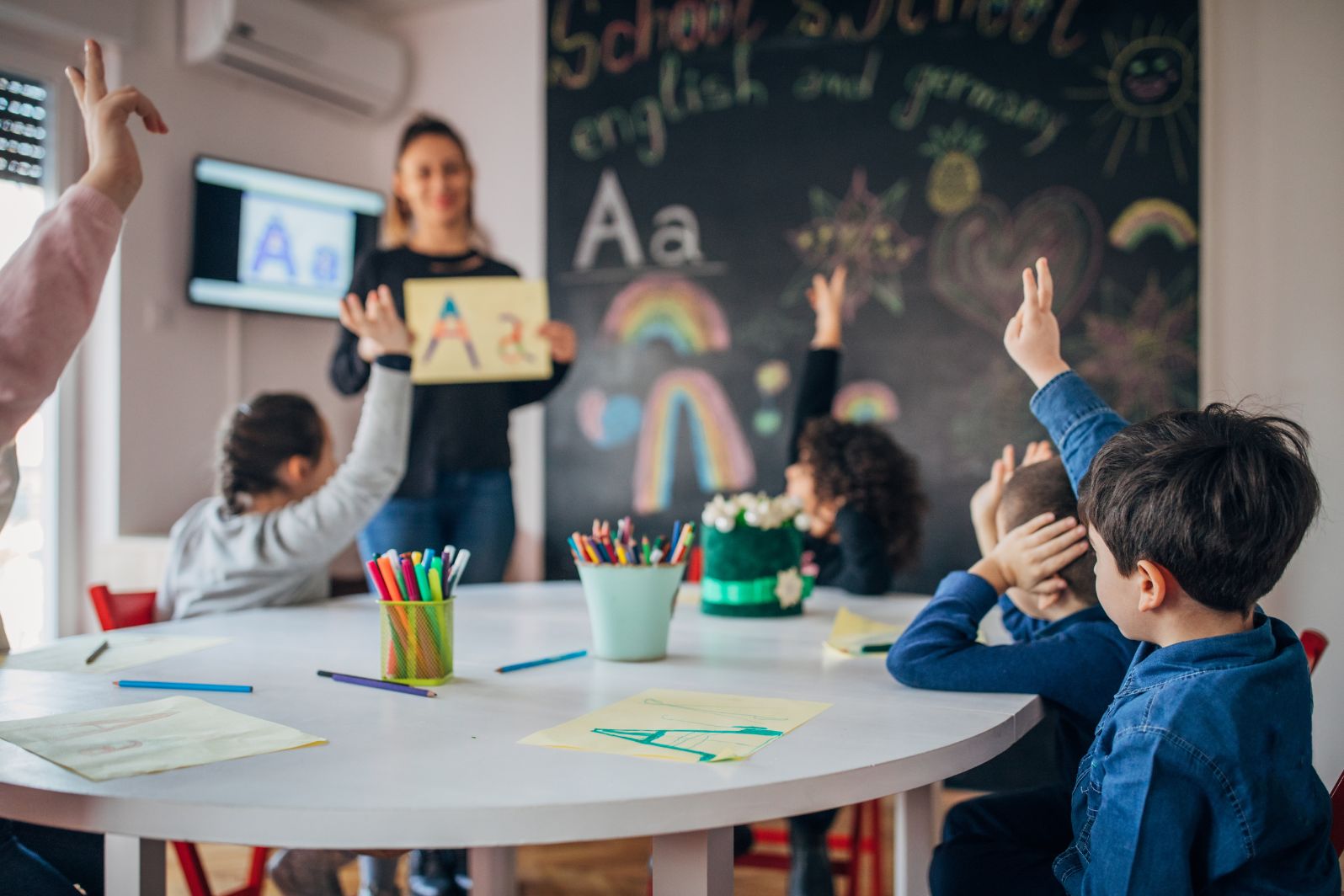
In today’s dynamic educational landscapes, ensuring that children possess the school readiness skills necessary to thrive is of utmost importance. As children make the crucial transition from home to school, a well-rounded foundation can make all the difference in their academic journey. Parents and educators must collaborate to equip children with the essential skills and aptitudes that will support this transition.
Table of Contents
Cognitive Skills
Critical thinking and problem-solving are at the heart of cognitive development. Encouraging children to ask questions, analyse scenarios, and solve problems creatively are key components. These skills are not only vital for academic success but also for navigating daily life challenges.
Cognitive skills also encompass basic literacy and numeracy. Familiarity with letters, numbers, shapes, and colours can greatly benefit children. Reading to children and engaging them in counting or sorting activities can foster these skills effectively.
Emotional and Social Skills
Emotional intelligence is crucial as children enter a social environment like school. The ability to recognise and express emotions, empathise with peers, and manage stress lays the foundation for productive social interactions.
Social skills are closely interlinked with emotional development. Children who can share, cooperate, and communicate effectively tend to adapt better to the classroom atmosphere. Participating in group activities and role-playing scenarios at home can enhance these abilities.
Physical Development
Physical readiness is another crucial aspect of school preparedness. Fine motor skills such as holding a pencil, using scissors, and buttoning clothes are indispensable for a child’s independent functioning at school.
Gross motor skills, such as running, jumping, and playing, are equally significant as they support physical health and development. Engaging children in sports and other physical activities can promote these skills.
Communication Skills
Effective communication is a cornerstone of learning. Children should be encouraged to express their thoughts clearly and listen attentively. This includes both verbal and non-verbal communication.
Engagement in discussions at home, storytelling, and games that involve instructions can significantly contribute to enhancing communication skills.
Independence and Self-Help Skills
Developing independence is about teaching children to manage personal needs and make simple decisions autonomously. Skills such as dressing themselves, using the toilet independently, and following routines are crucial.
Encouraging routines at home that mimic daily school activities can help children adjust more easily when school begins.
Adaptability and Resilience
School environments can be challenging, and children need to be adaptable and resilient to thrive. Encouraging flexibility and teaching children to handle disappointment and change positively is vital.
Games and activities that practice problem-solving and resilience can aid in developing these important traits.
Fostering School Readiness at Home
Parents play an integral role in fostering school readiness at home. Creating a nurturing environment that stimulates learning and fosters curiosity is beneficial. Regular home activities that align with school routines can create a sense of familiarity for children.
Reading together, involving children in household tasks, and maintaining consistent daily schedules can support children’s preparedness significantly.
The Role of Early Education Programmes
Early education programmes are instrumental in supporting children’s school readiness. These programmes offer structured activities that cover various development areas, aiding in a smoother transition to school life.
Enrolling children in well-designed preschool or readiness programmes can be a valuable step towards ensuring they are equipped with the necessary skills.
Conclusion
Every child deserves the opportunity to succeed in their educational journey, and fostering essential school readiness skills is paramount. Through a combination of cognitive, emotional, social, physical, and communication skills, children can embark on their school life confidently and competently.
Parents, educators, and communities must work together to ensure that all children are provided with the tools they need for a successful start to their academic careers.
