


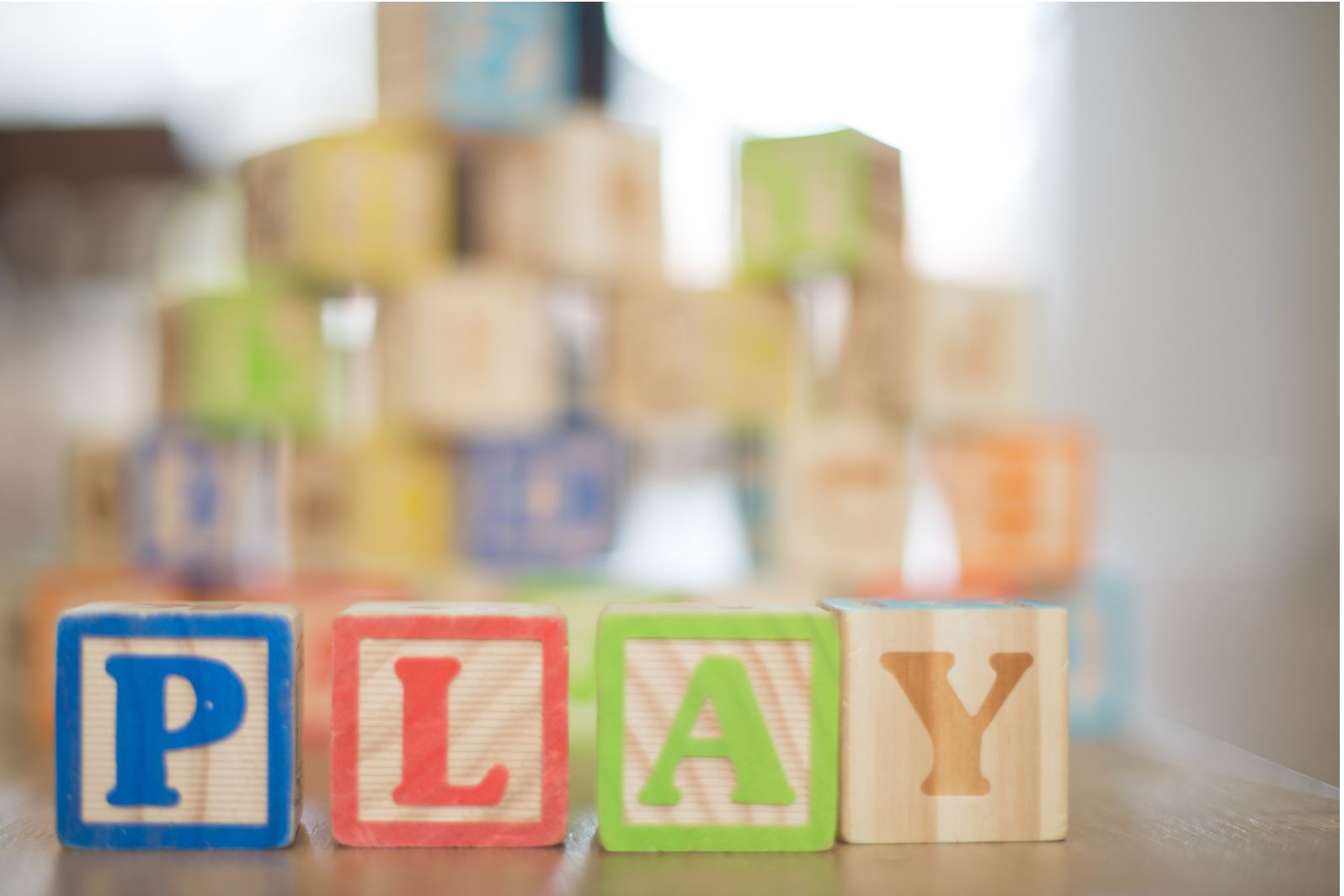
Children with social difficulties often face challenges in interacting with their peers, which can impact their development and well-being. Cooperative play therapy activities are designed to help these children build social skills, improve communication, and foster positive relationships.
The activities are structured to create a supportive environment. Children can learn and practice social interactions in a fun way.
In this article, we will explore various play therapy activities that can be beneficial for children with social difficulties and provide practical tips for parents and caregivers to implement these activities effectively.
Table of Contents
Understanding Social Difficulties in Children
Social difficulties can manifest in various ways, including shyness, anxiety, aggression, and difficulty in understanding social cues. These challenges can stem from a range of causes, such as :
- developmental disorders (like autism spectrum disorder)
- emotional disturbances
- traumatic experiences
Dealing with these issues early on is vital for the child. They affect the child’s growth and well-being.
Benefits of Cooperative Play Therapy
Cooperative play therapy activities offer several benefits for children with social difficulties:
- enhanced communication skills
- improved social interaction
- emotional regulation
- problem-solving skills
- increased empathy and understanding of others
Key Cooperative Play Therapy Activities
Cooperative play activities are designed to promote positive interactions and teamwork among children. Here are some key activities used in cooperative play therapy:
The Friendship Circle
This activity involves a group of children sitting in a circle and discussing different friendship topics. The therapist may guide the talk by asking questions or providing prompts. But, the children must share their thoughts and experiences.
Cooperative Art Projects
Art projects can be a great way for children to work together and express themselves. The therapist may assign a group art project, like creating a mural or building a model. They will also encourage the children to work together and talk to each other to finish the task.
Group Games
These are cooperative games. All players must work together toward a common goal. They can promote teamwork and cooperation. These can range from simple board games to more physically active group activities like relay races or obstacle courses.
Role-Playing Games
In role-playing games, children can practice social interactions. It is safe and controlled. The therapist may assign different scenarios, like conflict resolution or taking turns. They guide the children by acting them out. They give feedback and teach appropriate behaviors.
Creating a Model
Working together to create a model can encourage collaboration and communication. This could be building with blocks or drawing as a team. This allows children to practice taking turns, sharing ideas, and working towards a common goal.
Team Building Challenges
Such challenges need cooperation and teamwork. They include completing an obstacle course or solving puzzles together. They can help build trust and improve communication between children. These activities also build problem-solving skills. They teach the value of listening to others’ ideas.
Interactive Games
Adding interactive games to therapy sessions makes them more engaging for children. It also promotes teamwork and collaboration. Games like charades or Pictionary require teams to talk to succeed.
This encourages children to listen attentively, communicate clearly, and work together toward a common goal. These games also help children practice taking turns and learning to respect others’ ideas and opinions.
The Trust Walk
Another interactive activity that can promote effective communication is the trust walk. This involves one child being blindfolded and led by another child through a designated course or obstacle course.
The blindfolded child must tell their partner what they feel. They must also say where to go and how to navigate the course well. This builds trust between the two kids. It also encourages clear communication.
Group Storytelling
Group storytelling is an enjoyable activity that can also improve communication skills. One child starts by telling a story and then passes it on to the next child who adds their own ideas and twists to continue the story.
This requires active listening. It also needs clear speaking. The team members must collaborate to create a cohesive and engaging story.
Telephone Game
The telephone game is a classic activity that can be played with children of all ages. It involves one child whispering a message to another child, who then whispers it to the next person in line until it reaches the last person.
The final message is usually far from the original, showcasing how easily miscommunication can occur. This game teaches children to speak clearly. It also teaches them to listen well. Both skills prevent misunderstandings.
Collaborative Writing
The telephone game can also be applied to writing. In a collaborative writing exercise, each team member takes turns adding a sentence or paragraph to continue the story. This encourages creativity and imagination. It also promotes teamwork and communication.
In order for the story to flow seamlessly, team members must listen to each other’s ideas and build upon them. They must also be able to communicate their own ideas clearly so that others can understand and add to them. In this process, children learn to work together toward a shared goal. They also learn to respect each other’s contributions.
Incorporating Play Therapy into Daily Life
Parents and caregivers can add cooperative play therapy activities to daily routines. This will reinforce the skills learned in therapy. Simple activities offer extra chances for children to practice social skills. These include family game nights and cooking projects. They get to do this in a natural setting.
Finding a Therapist Near You
If you think your child could benefit from cooperative play therapy, you must find a therapist near you. They should specialize in working with children with social difficulties.
You can start by asking for recommendations from your pediatrician or school counselor. You can also search online directories for therapists in your area. Finding the right therapist can help a lot. They can help your child’s social development and overall well-being.
Understanding Cooperative Play Therapy
Cooperative play therapy activities are great. They help kids with social struggles learn key skills. Fun and structured play can help kids improve talking, make friends, and handle emotions. Parents and caregivers play a big role in their child’s social development. They do this through these activities and professional guidance.
Remember, mastering social skills is a process, so stay patient – progress will come. Add these play therapy activities to your routine. Then, watch your child’s social skills flourish!
Don’t stop your journey here! Dive deeper into our wealth of resources by exploring more articles on our blog.
