


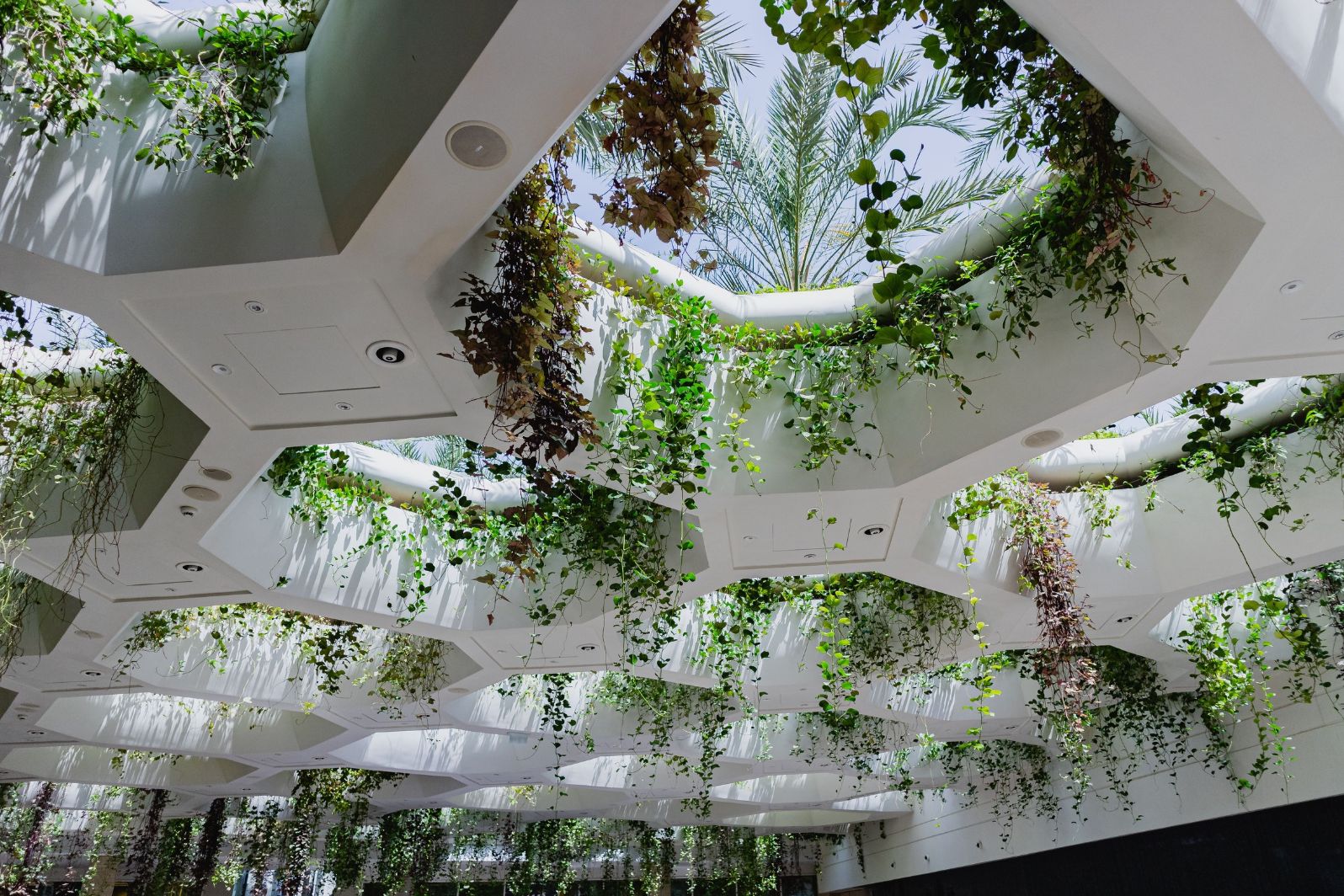
When visitors walk through your retail corridor, managed office lobby, or hospitality patio, bare concrete and glass can feel cold and confusing. People often hesitate at wide thresholds when no clear visual cues show them where to walk or gather. Investing in intentional architectural greenery lets you shape how guests experience your property from the moment they step inside.
Instead of relying on bulky partitions or temporary stanchions, you can use commercial-grade planters to organize your floor plan naturally. These sculptural vessels double as functional spatial dividers and lasting visual assets that keep people coming back.
Table of Contents
Why Do Structured Planter Groupings Improve Visitor Flow?
Open layouts give your building flexibility, but unmarked expanses often create awkward bottlenecks around reception desks and storefront entrances. Grouping rectangular troughs or staggered round vessels along natural walkways guides guests intuitively toward key destinations.
Bringing living plants into commercial walkways delivers measurable financial returns alongside better circulation. Research published by CREW Network shows that retail spaces incorporating natural elements generate roughly 8% more in sales, while properties with greenery views command 7% to 16% higher values and attract up to 25% more foot traffic. Placing lush botanicals along main thoroughfares encourages shoppers and clients to slow down and engage with their surroundings.
Varying container heights keeps sightlines open while creating a gentle sense of rhythm. Low planters near seating areas invite conversation, while taller silhouettes frame entryways and anchor busy intersections.
How Can You Define Lobby and Patio Zones Without Permanent Walls?
Commercial properties constantly adapt to shifting tenant needs, seasonal dining rushes, and hybrid work schedules. Modular container arrangements let you carve out quiet lounges, outdoor cafe seating, and waiting areas without triggering expensive construction permits. You can reconfigure your layout in an afternoon whenever your operational needs change.
Zoning Strategies for High-Traffic Commercial Spaces
Heavyweight fiberglass or concrete troughs establish a clean boundary between sidewalk pedestrians and seated diners. Guests enjoy privacy and a buffer from street noise while your staff maintains clear service aisles.
How Do Commercial Suppliers Maintain Brand Consistency Across Locations?
Expanding a retail concept or regional office portfolio brings a subtle visual challenge when every branch sources containers independently. Working directly with a specialized commercial manufacturer like Pots Planters & More gives your facilities team access to custom color matching and locked finish specifications across every site. Instead of settling for off-the-shelf shades that clash with your signage, you can match exact Pantone or RAL codes from your brand book.
Locked specifications protect your visual standards during multi-year rollouts. Once your design team approves a specific matte, satin, or metallic automotive-grade finish, future orders replicate that exact texture and sheen. Property managers no longer waste hours hunting for discontinued retail pots when opening a new wing or replacing damaged fixtures.
What Details Keep Multi-Property Rollouts on Schedule?
Coordinating deliveries across dozens of locations requires clear documentation before your first purchase order goes out. Standardizing a compact catalog of approved shapes and sizes keeps procurement fast for regional managers.
- Lock finish codes: Record exact color formulas and UV-resistant topcoat specs in your master brand guidelines so every branch orders identical finishes.
- Standardize core dimensions: Select 3 to 4 versatile vessel footprints that fit standard doorway clearances, freight elevators, and patio setbacks across all properties.
- Plan drainage requirements: Specify sealed bases for hardwood indoor lobbies and pre-drilled drainage holes for exposed rooftop terraces before fabrication begins.
How Do You Balance Upfront Container Durability Against Replacement Costs?
Budget-conscious buyers sometimes gravitate toward inexpensive plastic or thin ceramic pots to trim initial capital expenses. In busy commercial corridors, those lightweight containers crack under temperature swings, fade in direct sunlight, and chip when bumped by luggage or delivery carts. Spending $150 on a cheap container feels economical at checkout, but replacing broken vessels every 18 months quickly erodes those early savings.
Investing in commercial-grade fiberglass, cast stone, or powder-coated aluminum shifts your spending from recurring maintenance to a durable capital asset. Fiberglass vessels weigh a fraction of solid concrete while resisting frost, moisture, and impact damage for a decade or more.
What Habits Keep Architectural Planters Looking Sharp?
Smart specification choices extend the lifespan of your vessels and the greenery inside them. Pairing durable containers with sub-irrigation inserts regulates soil moisture and prevents water stains on surrounding floors. Facility teams cut watering visits in half while keeping foliage lush through peak seasons.
Simple seasonal inspections keep finishes looking crisp year after year. Wiping down exterior surfaces with mild soap removes urban dust and preserves the protective clear coat.
Commercial-grade architectural planters give your business far more than a decorative accent. They act as practical spatial dividers that guide foot traffic and long-term visual assets that reinforce your brand at every turn.
By pairing durable materials with consistent finishes, you create welcoming spaces that perform reliably for years. Start by mapping your highest-traffic zones and choosing vessels built to grow alongside your properties.
