


Component prices remain tight in 2026, so smart rifle shooters want maximum value from every shell on the bench. Choosing between shiny nickel-plated cases and traditional yellow brass can directly affect preparation time and ammunition costs.
Both options are designed to hold the same types of bullets and powder charges. However, their outer metal surfaces behave differently when exposed to moisture, rifle chambers, and reloading equipment.
Table of Contents
How Nickel-Plated and Brass Rifle Cases Differ
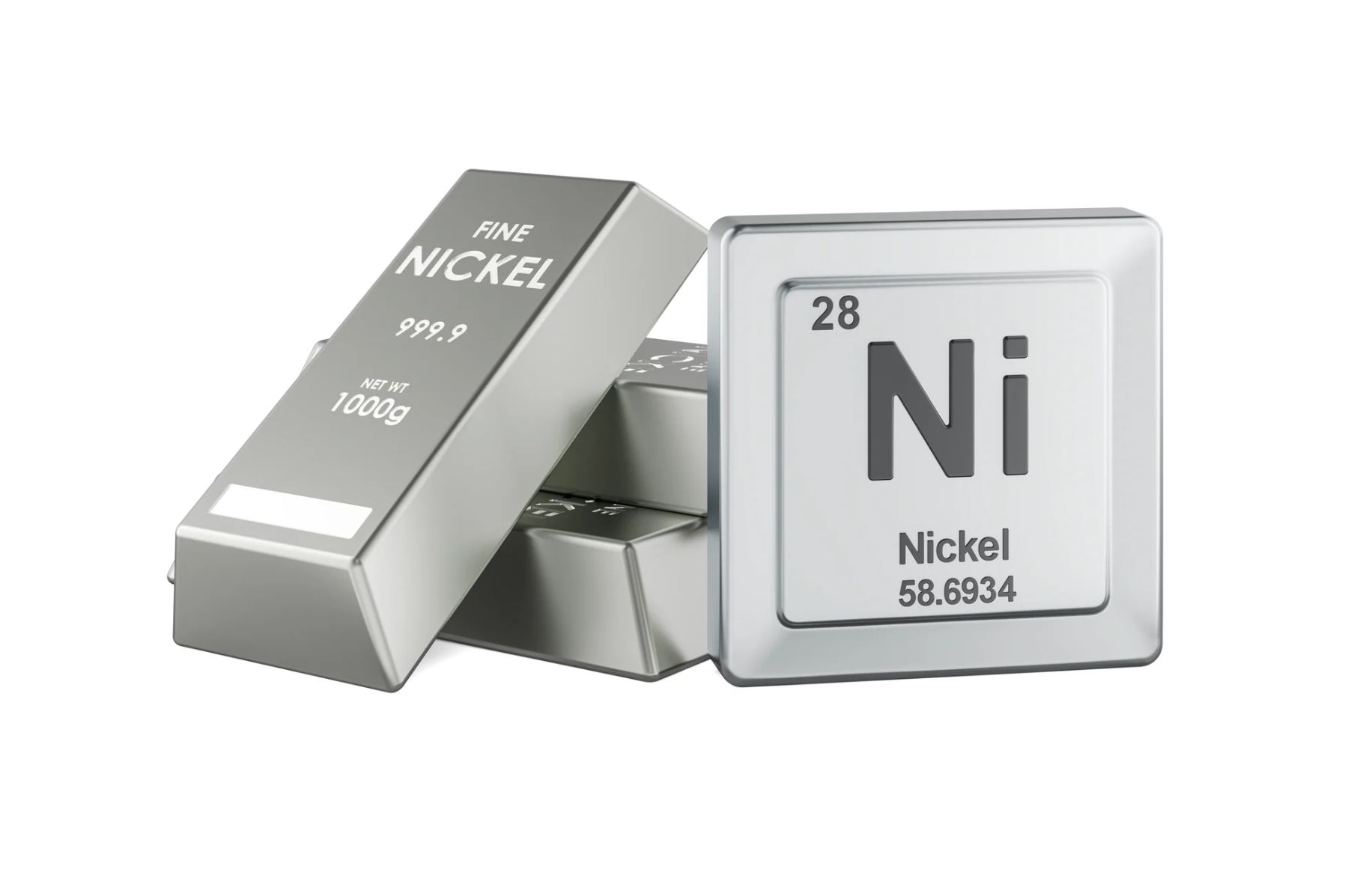
Standard rifle brass is commonly made from an alloy of approximately 70% copper and 30% zinc. It expands under chamber pressure and returns toward its original shape after firing. Shooters buying bulk 223 cases may notice that nickel-plated options have a bright silver appearance instead of the familiar golden color. Manufacturers create this finish by applying a thin nickel coating over a brass core through an electroplating process.
Both case types can have similar internal capacities and wall thicknesses, depending on the manufacturer and product. However, the outer finish affects how the surface responds to moisture, friction, and handling.
Understanding these differences helps buyers compare the features and costs of each option before making a purchase.
Corrosion Resistance in Harsh Weather and Storage
Bare brass can react with sweat, rain, humid air, and certain storage materials. This reaction may produce green discoloration and surface tarnish over time. Nickel plating provides an additional protective barrier that can help reduce surface corrosion and maintain a cleaner appearance.
Nickel-plated cases generally retain their bright finish during storage and exposure to damp conditions. Their protective coating offers several practical advantages:
- Helps resist green discoloration caused by moisture
- Maintains a bright appearance during storage
- Makes surface dirt easier to notice
- Can simplify routine exterior cleaning
- Provides additional protection in damp environments
Bare brass can also be stored successfully in sealed ammunition containers with suitable moisture-control products. The main difference is that nickel plating provides an extra layer of surface protection when storage or outdoor conditions are less controlled.
Smooth Feeding and Reliable Extraction
Semi-automatic rifles use mechanical systems to move cartridges through the firearm. Surface finish and case condition can influence friction during feeding and extraction.
Nickel-plated cases have a harder, smoother exterior than ordinary brass in many applications. This finish can reduce surface friction, although actual feeding reliability depends on several factors, including firearm condition, ammunition dimensions, and manufacturing quality.
A clean, properly manufactured case is important regardless of its finish. Neither nickel plating nor a shiny appearance guarantees reliable performance. Regular inspection and following the firearm manufacturer’s instructions remain essential.
Reloading Longevity: Which Case Lasts Longer?
Case longevity is an important consideration for people who reuse cartridge cases. However, the number of times a case can be reused varies with its design, material, condition, and previous use.
Brass Elasticity and Case Condition
Unplated brass is valued for its ability to expand and return toward its original shape. Its flexibility makes it widely used in ammunition manufacturing and reloading.
Repeated firing and mechanical processing can gradually change the metal’s properties. Over time, cases may develop cracks, loosened primer pockets, or other signs of damage. Their condition should always be assessed according to established safety standards rather than relying on a fixed number of uses.
Nickel Coating and Surface Damage
Nickel is harder than the brass underneath it, but the coating can become damaged through repeated handling and use. Cracks, peeling, or flaking may develop when the plated surface experiences wear.
A damaged coating can expose the underlying brass and create additional surface problems. For this reason, manufacturer guidance and recognized reloading safety references should be followed when evaluating plated cases. Nickel-plated cases should not automatically be treated as having a shorter or longer service life without considering their actual condition.
Smart Case Inspection and Storage Habits
Regardless of the case finish, proper inspection and storage are important. Damaged or corroded cases should not be treated as suitable for reuse simply because their exterior looks clean.
Useful general practices include:
- Inspecting cases for visible cracks or damage
- Keeping different case types clearly identified
- Storing ammunition and components in suitable dry conditions
- Following manufacturer instructions for cleaning and handling
- Avoiding cases with damaged or peeling coatings
Keep in mind that ammunition components should only be handled and processed according to established safety guidance. If a case shows signs of structural damage, do not assume that cleaning or polishing will make it safe to reuse.
Comparing Costs and Long-Term Value in 2026
The purchase price is an important factor when comparing brass and nickel-plated cases. Standard brass may cost less upfront, while nickel-plated products can carry a higher price because of the additional coating process.
However, the cheapest option is not always the best value. Buyers should consider product quality, intended use, storage conditions, and manufacturer recommendations when comparing prices.
Nickel-plated cases may be attractive to buyers who value corrosion resistance and a distinctive finish. Traditional brass remains a widely used option because of its established place in ammunition manufacturing and its familiar material properties.
Rather than relying on a general price estimate, compare current prices from reputable suppliers. Check the quantity, product specifications, and condition before deciding which option offers better value.
When to Choose Nickel-Plated Over Standard Brass
Both finishes have different characteristics, and the right choice depends on the buyer’s priorities.
Nickel-plated cases offer a bright appearance and an additional protective surface layer. These features may appeal to people who store ammunition in environments where moisture is a concern.
Standard brass offers a traditional finish and is widely used across many ammunition types. Its familiar properties make it a common choice among ammunition manufacturers and experienced reloaders.
When comparing products, focus on manufacturer specifications, quality standards, and intended use rather than assuming that one finish is always superior. Always follow applicable firearm and ammunition safety guidance.
Pick the Right Case and Make an Informed Choice
Nickel-plated and standard brass cases each offer different advantages. Nickel plating provides an additional protective finish and a distinctive silver appearance, while traditional brass remains a popular material for ammunition manufacturing.
The best choice depends on product quality, storage conditions, cost, and intended use. Comparing reliable specifications and inspecting cases carefully can help buyers make informed decisions.
Looking for more practical information and helpful guides? Explore our other posts for additional insights.
