


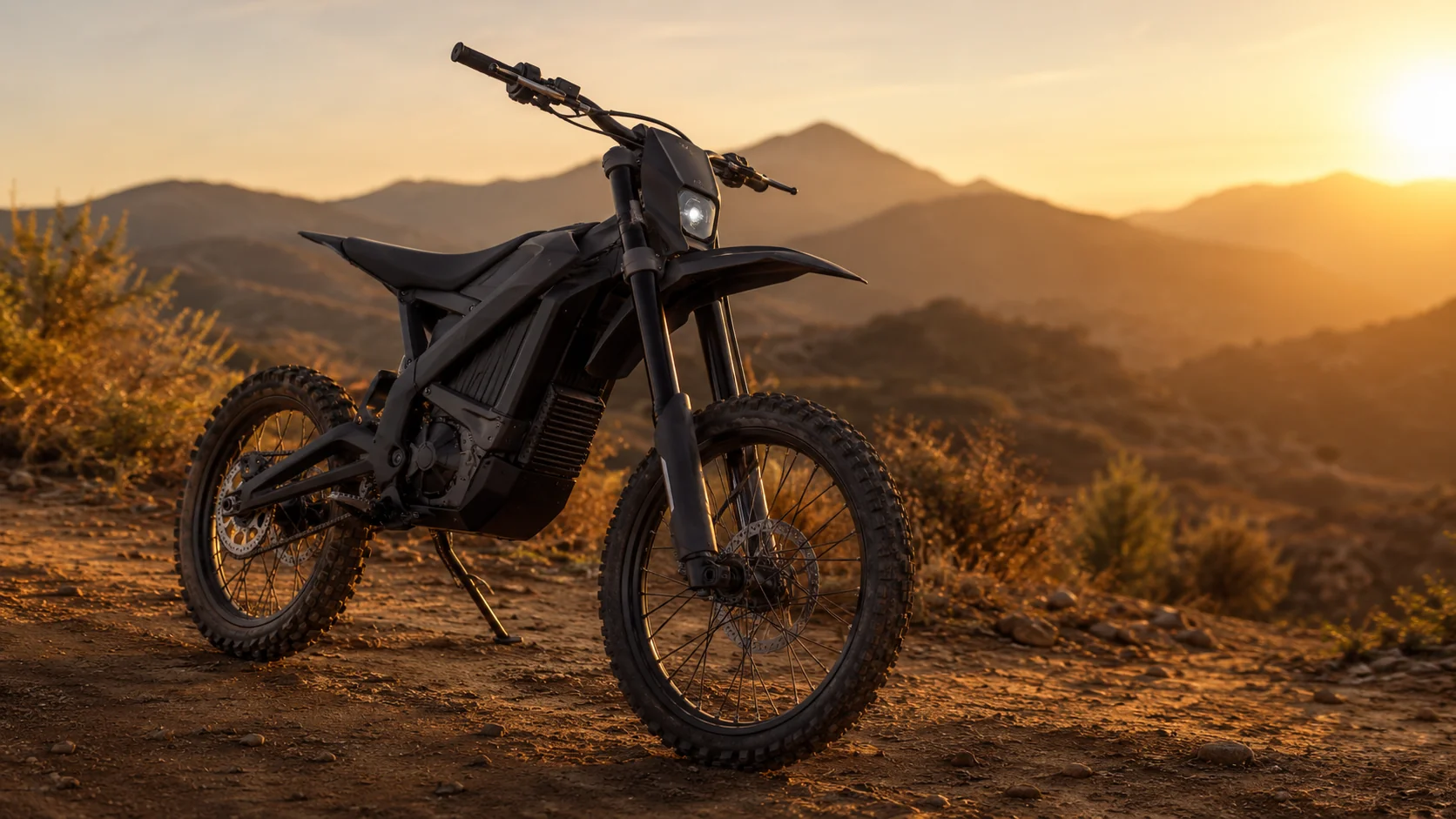
The Growing Popularity of Electric Dirt Bikes
These battery-powered machines are no longer a curiosity at the trailhead. Better batteries, motors and electronics have opened them up to far more weekend riders. Instead of a petrol engine, each one draws its power from a rechargeable battery pack feeding an electric motor. That single change shapes how they perform, how they’re looked after, how they feel to ride and how kind they are to the environment.
Tastes among outdoor lovers are shifting too. Some riders love the near-silence, which lets them hear birdsong on a quiet forest track. Others prize the instant shove of torque and the simpler mechanics. Today’s choice runs from small, friendly bikes for casual fun to serious machines built for rough, punishing ground.
How Electric Dirt Bikes Work
A handful of parts do all the work together. The battery holds the energy, and an electronic controller passes it on to the motor. Each twist of the throttle tells the controller how much electricity to send, which sets how hard the bike pulls.
Most bikes run on lithium-ion batteries, since they strike a sensible balance between capacity, weight and charging speed. The pack’s voltage and capacity decide how much energy the motor can call on. Real-world range is another matter. Terrain, weight, speed, weather and riding style all count, so a muddy hill climb in March drains far more than a dry summer cruise.
Motors come in two main styles. A hub-drive unit sends power straight through the wheel, while a mid-drive unit feeds it through the drivetrain. Mid-drive setups tend to give strong torque and well-balanced power, whereas hub-drive designs keep the mechanics simpler. A rider tackling rocky climbs might lean one way, and a casual rider the other.
Important Performance Features
Performance sits near the top of most riders’ lists. Motor output, torque, battery size, suspension, brakes and tyre design all shape how a bike feels out on the trail. A shiny spec sheet is only the start.
Power is usually quoted in watts. A bigger peak figure hints at more potential, yet it says little on its own about how a bike copes in varied conditions. Torque deserves just as much attention, especially on steep slopes, loose dirt and tight technical sections. A rider stalling halfway up a gravel bank soon learns that lesson.
Suspension does a great deal of quiet work. Rough ground sends a constant stream of jolts through the bike, upsetting both comfort and stability. Forks up front and a shock at the back soak up those knocks and keep the tyres pressed to the ground. Anyone who has hit a tree root at speed knows the difference.
Brakes need the same care. Hydraulic disc brakes are common on the quicker electric models because they bite quickly and reliably. Even so, setup, upkeep, grip and the trail all affect them. Wet clay can humble the finest brakes.
Battery Capacity and Riding Range
Sooner or later, every comparison comes down to batteries. Makers usually list a voltage and an amp-hour rating. Multiplying the two gives a rough watt-hour figure, which shows how much energy is stored on board.
Take a 60V battery rated at 27Ah, which works out at roughly 1,620Wh of stored energy. That number is a useful guide. It isn’t a promise of how far the bike will go.
Range can swing a great deal. Flat-out blasts, constant hard launches, steep hills and soft sand or mud drain the battery faster than gentle riding on firm ground. Cold weather can sap performance too, as many riders discover on a frosty autumn morning.
A rider’s usual routes tell a truer story than the brochure. Building in charging stops and keeping charge in reserve makes longer days out far less stressful. Nobody enjoys pushing a dead bike back to the van.
Electric Dirt Bikes Compared With Gas-Powered Models
Each type brings its own strengths. A petrol bike relies on a combustion engine, a fuel system, an exhaust and regular engine servicing. Electric versions swap much of that hardware for batteries, controllers, wiring and a motor. The shelf of oil cans in the garage starts to look empty.
Sound is the first thing most people notice. Electric motors run far more quietly than engines, which can suit places where noise limits are in force. A rider can chat with a friend mid-trail without shouting. Even so, local laws and landowners still decide where riding is allowed.
Out on the trail, an electric bike gives off no exhaust fumes at all. Its wider footprint, though, hinges on how the electricity is generated, how batteries are made, where the materials come from and how old packs are recycled. A cleaner trail doesn’t always mean a cleaner story.
Servicing changes as well. There are no oil changes, spark plugs or exhaust repairs to worry about. Tyres, brakes, suspension, chains, wiring and the battery all still need regular checks, mind. A loose connector can stop a ride just as surely as a flat tyre.
Understanding Different Electric Dirt Bike Designs
Not every electric dirt bike is built for the same job. Some are sized for children and smaller riders. Others suit adults and pack far more power. A twelve-year-old and a seasoned trail rider are unlikely to want the same machine.
Fit matters as much as muscle. Wheel size, frame shape, seat height and overall weight all decide whether a bike suits its rider. A powerful model can still be a poor choice if a shorter rider can’t touch the ground at a standstill.
HappyRun is one brand making its mark in this market. Its lineup covers a range of motor layouts, battery sizes and performance levels. On paper, the HappyRun F18 2.0 carries a 60V 27Ah battery pack, a mid-drive motor peaking at 6,000W and a maker-stated top speed of 46 mph. Hydraulic brakes and full suspension also feature on its spec sheet.
Figures like these show how makers present specs. Real performance still hangs on the trail, the weather and much else.
People researching the best electric dirt bike can compare different configurations to understand how motor output, battery capacity, suspension design, and dimensions influence suitability for particular riding environments. A side-by-side comparison often settles a debate that has run for weeks.
Safety Considerations for Off-Road Riding
These bikes can leap forward with real force, so sensible riding is essential. The right machine matches the rider’s experience, size and the ground they plan to tackle. A first-timer on an overpowered bike is an accident waiting to happen.
Good kit starts with a well-fitted helmet, gloves, goggles, sturdy boots and protective clothing. Extra body armour can earn its keep on tougher trails. A single fall onto rocks makes the cost of decent gear look small.
A quick check before every ride can catch problems early. Tyre pressure, brakes, suspension, the throttle and battery leads all deserve a look. Learning the power modes on easy ground first also pays off. Five minutes in the car park can save a long walk home.
Newcomers learn fastest in calm, controlled spaces. Starting on a lower power setting helps them learn smooth throttle work, careful braking and good balance before tougher terrain. A few laps of a flat field on a Saturday morning can build real confidence.
Maintenance and Battery Care
Fewer engine parts don’t mean no upkeep at all. Regular cleaning stops caked-on dirt from clogging moving parts and electrical contacts. It’s best done the way the maker recommends, especially around the battery box and electronics. A pressure washer aimed carelessly at the controller can turn a cleaning job into a repair bill.
The battery needs the most care of all. That means sticking to the recommended charger, avoiding extreme heat or cold and following the storage advice. A swollen or damaged battery, or a faulty charger, belongs with a qualified technician rather than an enthusiastic amateur.
The drivetrain wants regular attention too. Where a chain is fitted, it needs checking, cleaning and oiling. Brake pads, tyres, bolts and suspension parts also benefit from a look every so often. A squeaky chain after a wet ride is usually the first sign that it’s overdue.
Choosing an Electric Dirt Bike for Long-Term Use
Picking the right bike takes more than comparing top speeds or wattage. A sensible buyer weighs the terrain, battery needs, rider size, brakes, spare parts and after-sales support. A cheap bike with no spares can end up gathering dust in the shed.
Different riders want different things. A casual rider may value gentle power and a comfortable riding position, while a hardened off-road rider may care more about torque, long-travel suspension and stamina. Both can end up happy.
Local rules matter too. Many electric dirt bikes built for off-road use can’t be registered for public roads. Checking the regulations before riding anywhere outside approved areas avoids an awkward chat with a ranger or police officer.
The Future of Electric Off-Road Motorcycles
The technology keeps moving forward. Batteries, motor control, charging and build quality all keep improving. These gains may make the bikes more useful, dependable and easier to live with. Next year’s models may make today’s look dated.
The shift to electric isn’t just a case of swapping a petrol tank for a battery. It means rethinking design, energy use, upkeep and what riders expect. The charging cable has replaced the fuel can.
As the market grows, careful comparison will matter more than ever. A solid grasp of the technical details helps riders choose on practical needs rather than headline numbers. With the right kit, sensible habits and proper upkeep, electric dirt bikes are becoming a well-established choice for off-road fun. The trail is the same. Only the sound has changed.
