


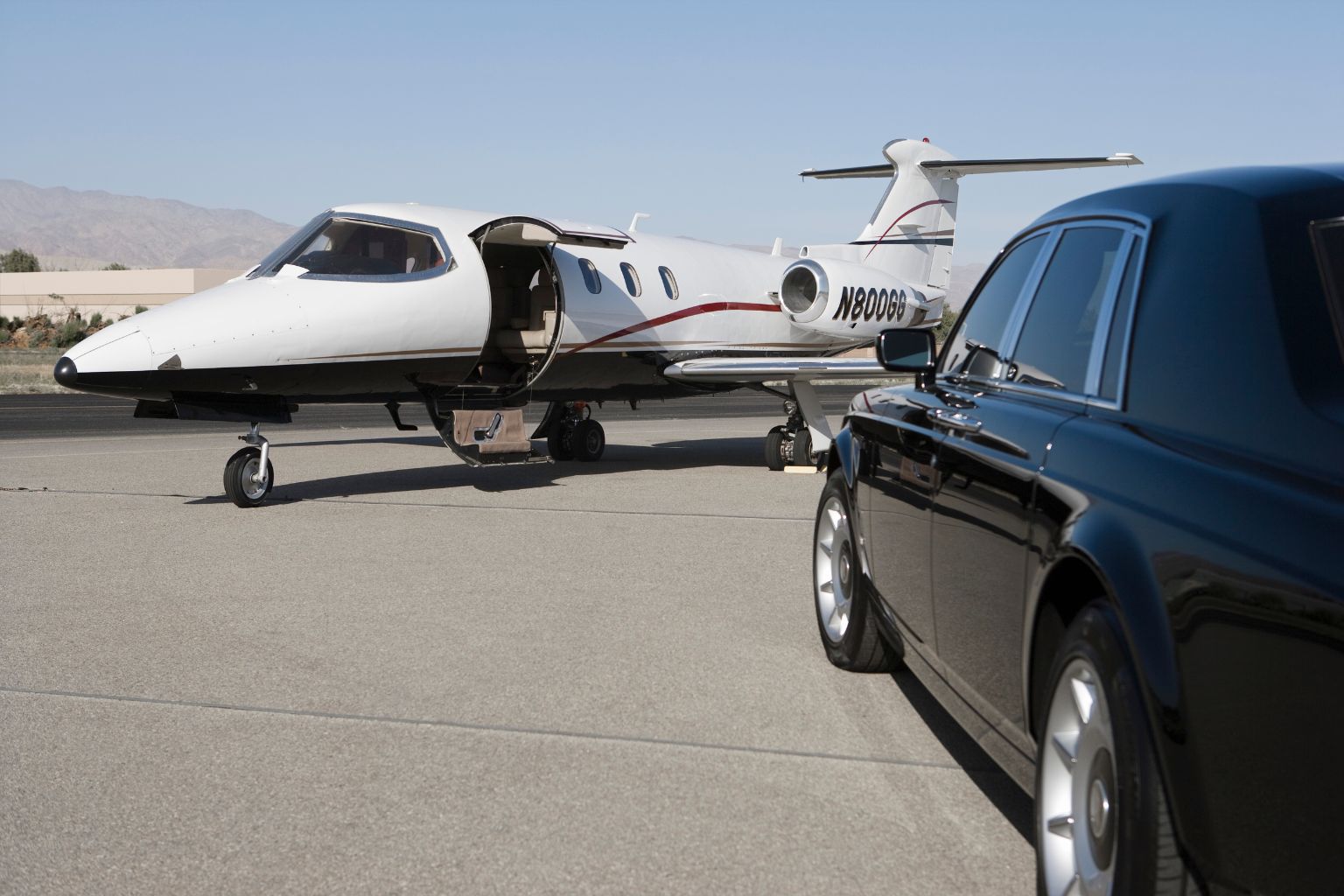
Back then, luxury travel meant polished cabins, elaborate menus, and attentive service. Those details still matter, but frequent travelers have become less impressed by decoration alone. Rather, they are paying closer attention to –
- The time a journey consumes
- Awkward handoffs
- How quickly plans can change without wrecking the entire day.
That shift has pushed luxury in the skies. It is moving toward something more practical. Now, travelers value privacy, schedule control, quieter cabins, and access to smaller airports as much as champagne or stitched leather.
The real indulgence is arriving with enough energy. It is about having time left to do what prompted the trip.
Table of Contents
Time Has Become the Defining Amenity
A traveler considering private jet hire may be drawn to the cabin at first. Even then, the stronger appeal lies outside the cabin. The following factors can remove hours of dead space:
- Shorter arrival windows
- Fewer terminal queues
- Flight times built around the passenger.
That control may be worth more than any onboard flourish for a business team visiting two cities before dinner.
Commercial first class still suits plenty of journeys. This is especially true for direct long-haul routes with dependable schedules.
In fact, private flying makes a stronger case when –
- Several passengers travel together
- The destination has poor airline connections
- A delay could disrupt meetings, transfers, and hotel bookings.
| Travel factor | Premium commercial cabin | Private aircraft |
| Departure time | Fixed by the airline | Set around the passenger |
| Airport access | Mostly major hubs | Often includes regional airports |
| Cabin privacy | Limited, even in enclosed suites | Reserved for the traveling party |
| Schedule changes | Usually tied to fare rules and seat availability | Possible, though often costly |
| Price structure | Charged per passenger | Usually based on the aircraft and route |
Privacy Is More Than an Empty Cabin
Why would someone pay heavily for privacy when a premium airline suite already has a door?
The door closes off only part of the trip.
Sensitive conversations can start before takeoff. It does not need a crowded lounge nearby. Families can manage young children without feeling watched. Meanwhile, public figures can avoid the familiar procession through busy terminals.
None of this means the journey is free from security rules. In the United States, private charter operations may fall under federal security programs. But they depend on –
- The operator
- Aircraft weight
- Seating configuration.
There are also limits to privacy. You still need to provide –
- Passenger details
- Baggage restrictions don’t vanish
- Customs procedures apply on international routes.
Anyone expecting complete anonymity has misunderstood the product.
The Aircraft Must Fit the Mission
Obviously, a bigger cabin isn’t always the wiser choice. So, you need to start with –
- Route length
- Runway requirements
- Passenger count
- Baggage
- Weather.
For instance, six people carrying golf equipment may outgrow an aircraft that appears roomy in photographs. But a short runway near the destination can further narrow your options.
Check the following before committing:
- whether the quoted aircraft can fly the route without a fuel stop;
- the usable baggage space, rather than the advertised cabin volume;
- cancellation terms and charges for waiting time;
- whether deicing, repositioning, catering, and ground transport are included;
- the operator’s certification and the identity of the company actually conducting the flight.
That last point deserves care. A broker may arrange the trip without operating the aircraft, which isn’t unusual, but you should know who holds operational responsibility. Luxury doesn’t excuse vague paperwork.
Flexibility Comes With Friction
Private aviation can rescue a tight itinerary, though it can’t cancel physics. Fog closes airports. Crew duty limits affect late changes. Mechanical faults may require a substitute aircraft, and that replacement might have a different cabin or arrive from another city.
There’s a fair case for doing the opposite, too. A solo traveler on a busy route may get better value from an airline’s business-class cabin. Empty-leg flights can look tempting, but their schedules depend on another customer’s original booking and may change with little warning. Flexibility isn’t always clean.
Better Travel Is Measured After Landing
The new standard of luxury travel isn’t simply a more expensive seat. Rather, it’s a journey designed around the trip’s purpose. There are fewer avoidable interruptions and clearer control over where your time goes.
Moreover, that standard also asks more of the traveler. You need to do the following:
- Compare the whole itinerary
- Question unclear fees
- Confirm the operating carrier
- Choose an aircraft for the mission, not the photo.
Done carefully, luxury travel in the skies feels less like a display. It feels more like good judgment. It has the right cabin and the right schedule. There is also no unnecessary detour between departure and the day ahead.
