


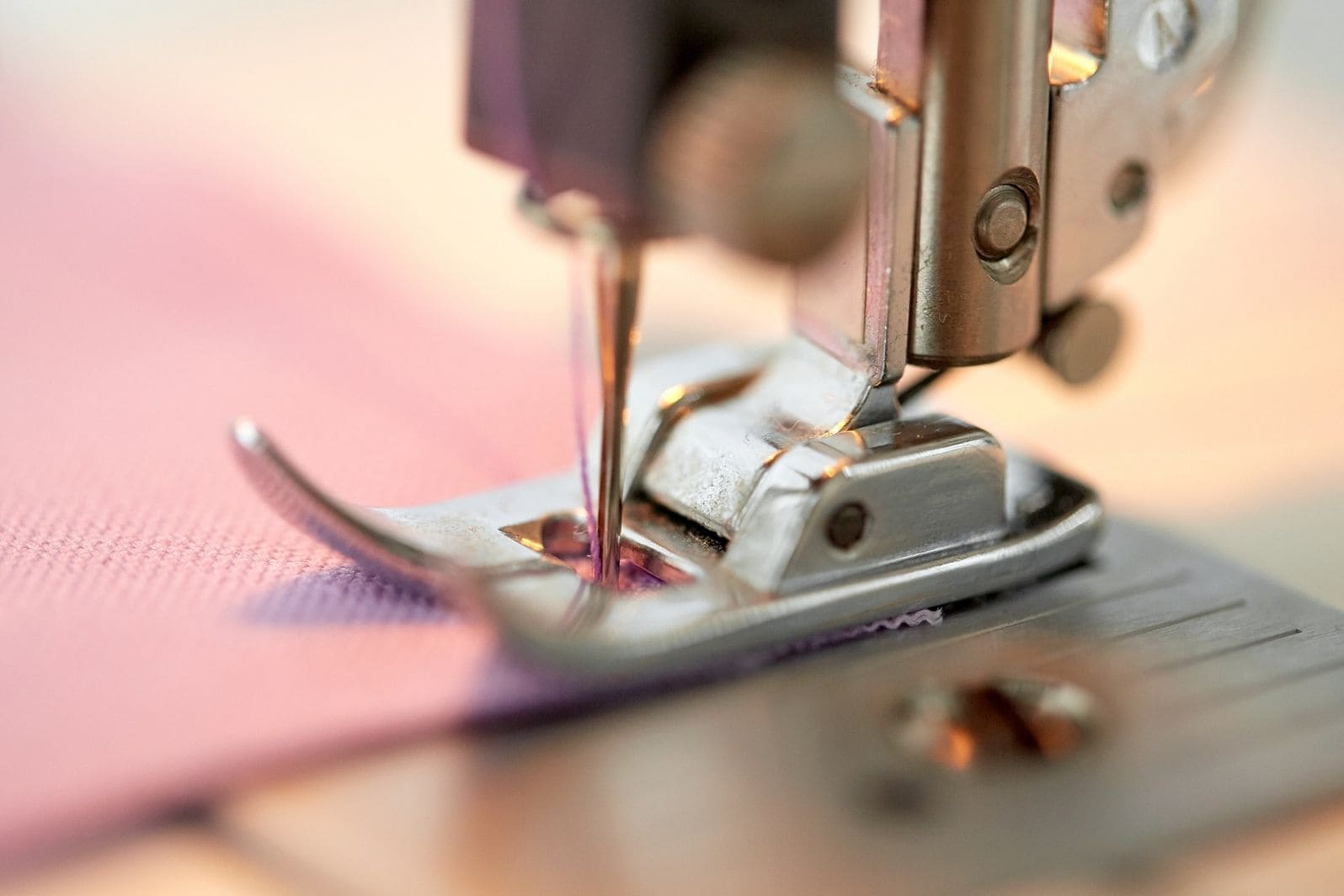
Vintage sewing machines have a devoted following, and for good reason. Built with solid metal parts and simple, durable mechanics, many old machines still sew beautifully decades after they were made, often outlasting modern models. But not every vintage machine is a good buy, and knowing what to look for helps you find one worth owning. This guide is a practical buyer’s guide to purchasing a vintage sewing machine.
Table of Contents
Why Buy a Vintage Machine
Before the how, it helps to understand the why. Vintage sewing machines appeal to people for several reasons. Their build quality is often exceptional, with metal construction that feels solid and lasts. Many produce an excellent, reliable straight stitch that sewers value. They have character and history that modern plastic machines lack. And because they were built to be maintained and repaired, they can be kept running almost indefinitely with care and the right parts.
For someone who wants a durable, capable machine with genuine longevity, a good vintage machine can be a wonderful choice. Understanding this appeal helps you focus on finding a machine that delivers these benefits rather than one that is merely old.
Inspect the Machine’s Condition
When considering a vintage machine, condition is key. Look it over carefully. Check that the mechanics move, that the handwheel turns, and that the machine is not seized. Look for excessive rust, damage, or missing parts. A machine that has been stored well and looked after is a far better starting point than one that has been neglected, though even a stiff or dirty machine can often be revived with cleaning and oiling if the fundamentals are sound.
If you can, see the machine sew, or at least turn it over by hand to check the mechanism moves freely. Surface grime and a need for cleaning are normal and not dealbreakers, but a cracked casting, badly damaged parts, or a completely seized mechanism are more serious. Assessing condition realistically helps you judge whether a machine is a good buy or a project that may need significant work.
Consider Parts Availability
One of the most important practical considerations is whether parts are available for the machine, because even a good vintage machine may eventually need a replacement component. Machines from well-known makers with widely produced models tend to have better parts availability, which makes them easier to maintain and repair over time. Before buying, it is worth knowing that you can source parts for the make and model you are considering.
This is where a specialist parts supplier is invaluable. Knowing you can find parts for a vintage sewing machine across many makes and models, organised so you can match your exact machine, gives confidence that a machine you buy can be kept running. A machine you cannot get parts for is a riskier purchase, so parts availability should factor into your choice.
Identify the Make and Model
Knowing exactly what machine you are buying matters, both for judging its qualities and for sourcing parts and information. Vintage machines usually carry a model number or identifying marks. Identifying the make and model tells you about the machine’s reputation, its capabilities, and crucially what parts and accessories fit it. This information helps you make an informed purchase and supports maintenance later.
Take the time to identify the machine before or soon after buying. Manufacturers produced many models over the years, and knowing precisely which one you have is the key to caring for it and finding the correct parts, rather than guessing.
Factor In Cleaning and Setup
Almost any vintage machine will benefit from cleaning and oiling when you get it, and often that is all a sound machine needs to sew well. Factor this into your expectations. A machine that looks dusty and neglected may simply need a thorough clean, fresh oil, and a new needle to perform beautifully. Being prepared to do this basic setup, or to have it done, is part of owning a vintage machine.
Understanding that some care is normal helps you evaluate machines fairly. A machine that needs cleaning is not a bad buy, it is a typical one. What matters is that the machine is fundamentally sound and that you can obtain any parts it needs.
Frequently Asked Questions
Why buy a vintage sewing machine instead of a modern one?
For their exceptional build quality, durable metal construction, reliable stitching, character, and longevity. Built to be maintained and repaired, good vintage machines can run almost indefinitely with care.
What should I check when inspecting a vintage machine?
That the mechanism moves and is not seized, the handwheel turns, and there is no serious damage, cracked casting, or missing parts. Surface grime and a need for cleaning are normal and not dealbreakers.
Why does parts availability matter?
Because even a good machine may eventually need a replacement part. Machines from well-known makers with available parts are easier to maintain, so parts availability should factor into your choice.
How do I identify a vintage machine?
By its model number or identifying marks. Knowing the exact make and model tells you about its capabilities and, crucially, what parts and accessories fit it, supporting an informed purchase and later care.
Does a vintage machine need work when I buy it?
Usually some cleaning and oiling, which is normal rather than a problem. A sound machine that looks neglected often needs only a thorough clean, fresh oil, and a new needle to sew well.
Final Thought
Buying a vintage sewing machine can be hugely rewarding if you choose well. Understand why vintage machines are worth owning, inspect condition realistically, check that parts are available for the make and model, identify exactly what you are buying, and expect to do some basic cleaning and setup. Approach the purchase this way, and you can find a solid, capable machine that, with care and the right parts, will sew beautifully for many years to come.
