


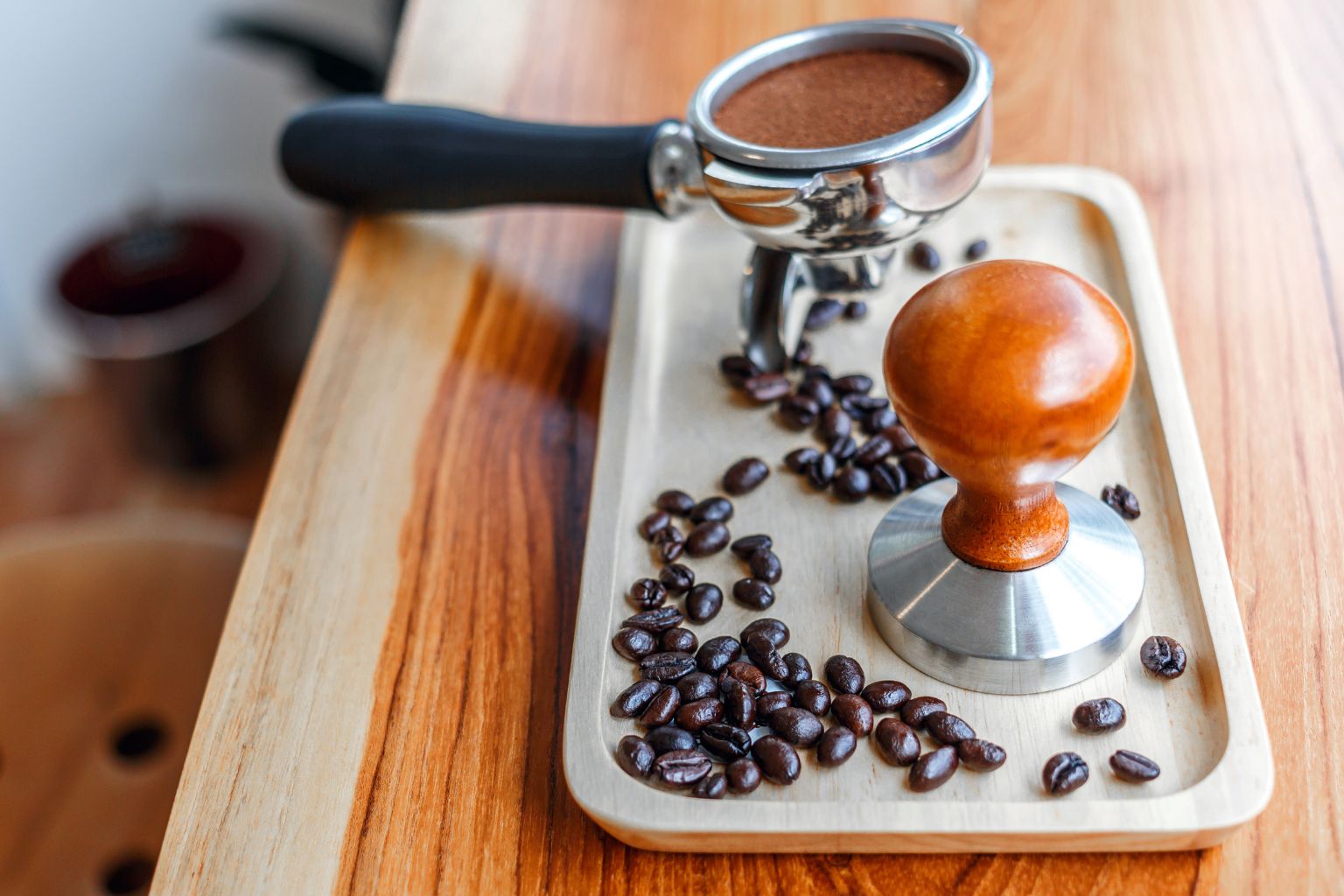
In the world of coffee making, attention to detail can greatly impact the final cup quality. One of the most important tools in an espresso setup is the coffee tamper. This small, yet crucial device ensures even coffee extraction by compressing the coffee grounds in the portafilter basket. The debate between flat and convex tampers is an ongoing topic among baristas, making it essential to understand the differences and which might suit your needs best.
Table of Contents
Understanding the Basics of Coffee Tampers
Before delving into the different styles, it is important to comprehend what a tamper is and its role in espresso making. A coffee tamper is used to pack coffee grounds evenly into the portafilter. This process is crucial because it affects the flow rate of the water through the coffee, which ultimately influences the taste of the espresso.
Flat Tampers
The flat tamper design is pretty straightforward, providing an even, level surface that compresses the coffee grounds uniformly. This uniformity aims to ensure that water passes through the coffee evenly, leading to consistent extraction. Enthusiasts of the flat tamper argue that it results in a more balanced shot of espresso.
The Benefits of Flat Tampers
One of the main advantages of using a flat tamper is the consistency it offers. Since the surface is flat, it is easier to apply even pressure across the coffee grounds, reducing the chance of channeling, which occurs when water finds paths of least resistance and results in uneven extraction.
The Drawbacks of Flat Tampers
Although flat tampers offer even distribution, they require the user to ensure that the coffee bed is perfectly level before tamping. Any uneven distribution of coffee in the basket can lead to poor extraction.
Convex Tampers
Conversely, a convex tamper features a slightly rounded base. This design aims to compensate for any unevenness in the coffee bed and decrease the likelihood of channeling. Baristas who favour convex tampers often claim that they produce a richer and thicker shot of espresso.
The Benefits of Convex Tampers
Convex tampers are forgiving of minor inconsistencies in the coffee bed preparation and can help to seal the edges of the puck to prevent water from seeping around the sides and bypassing the grounds entirely.
The Drawbacks of Convex Tampers
On the downside, convex tampers can sometimes cause irregular distribution if not used carefully, especially in baskets with sloped sides. The curve may promote more extraction at the centre of the puck than at the edges, potentially leading to uneven flavour.
How to Choose the Right Tamper
When selecting between a flat or a convex tamper, consider your espresso machine and your level of experience. Those new to espresso brewing may benefit more from a convex tamper as it provides a bit more leeway during the tamping process. Experienced baristas might prefer flat tampers for their precision.
Additionally, it is important to consider the type of basket being used. If using a straight-sided basket, a flat tamper might offer more consistency. Conversely, a convex tamper can assist with sloped baskets.
Consider Your Preferences and Setup
Ultimately, the choice between a flat or convex tamper may boil down to personal preference. It is advisable to try both types if possible to see which results best suit your taste and setup. Regardless of the tamper type, consistent grinding, dosing, and tamp preparation are pivotal to achieving the best espresso.
Having the appropriate tamper can make a significant difference in your coffee-making experience. Ensuring a comfortable grip and suitable weight are additional factors to consider when choosing a tamper.
Conclusion
The decision between a flat and a convex coffee tamper involves evaluating the specific needs of your espresso setup and personal preference. Each type offers distinct advantages that can be better suited to different brewing styles and equipment types. Consider testing different tampers to find the one that enhances your espresso experience the most. Remember to maintain proper tamping technique for consistent results.
