


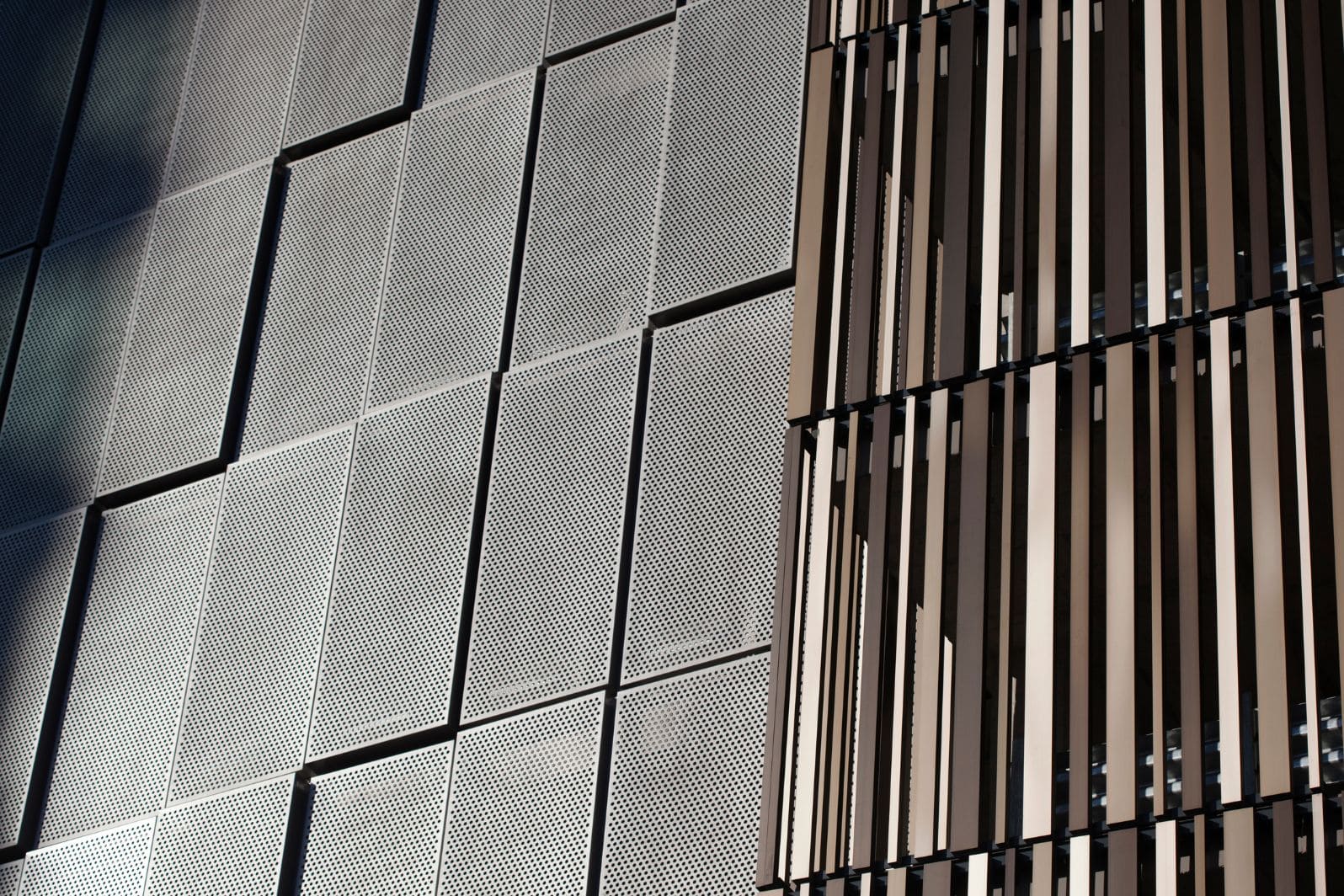
The exterior of a building serves as the first impression for any observer. Architectural cladding provides a versatile solution for enhancing aesthetics while also offering functional benefits. By incorporating architectural cladding, one can significantly transform the visual appeal of a structure. Cladding is more than just a decorative feature; it is a vital component in thermally insulating and protecting buildings from environmental elements.
Table of Contents
What is Architectural Cladding?
Architectural cladding involves the application of one material over another to provide a skin or layer. Cladding is not just about aesthetics; it involves functional improvements such as sound and thermal insulation, weather resistance, and structural enhancement. This makes it a crucial aspect of modern construction.
Advantages of Architectural Cladding
There are several benefits to employing architectural cladding in building design. Firstly, it enhances the visual appeal and can create a distinct aesthetic that can make a building stand out. Secondly, it provides an additional layer of insulation, helping to improve energy efficiency by reducing heat loss. Additionally, architectural cladding protects the structure from weather damage, such as rain, wind, and UV exposure.
Material Options for Cladding
The choice of material for cladding can significantly impact the overall look and performance of a building. Common materials include wood, metal, brick, vinyl, and composite materials. Each of these materials offers unique properties and aesthetic finishes, allowing architects and designers to tailor the appearance and functionality to their specific needs.
Wooden Cladding
Wooden cladding is popular for its natural appearance and warmth. It blends seamlessly with various architectural styles, offering a timeless appeal. Treated wood options additionally provide improved durability and resistance to pests and moisture.
Metal Cladding
Metal cladding, such as aluminium or steel, offers a sleek, modern look. It is highly durable, weather-resistant, and requires minimal maintenance, making it suitable for both commercial and residential applications.
Environmental Considerations
In the current era of environmental consciousness, the sustainability of cladding materials is crucial. Many manufacturers offer eco-friendly options, such as recycled materials or those sourced from sustainable forests. These options help reduce the environmental impact and contribute to greener building practices.
The Role of Cladding in Building Preservation
Beyond aesthetics and efficiency, cladding plays a vital role in prolonging the lifespan of a building. By shielding the underlying structure from external forces and weather conditions, cladding helps prevent deterioration, thus extending the building’s longevity.
Innovative Technologies in Cladding
The field of architectural cladding is continually evolving with new technologies. Innovations such as smart cladding systems integrate technology to improve energy efficiency and environmental adaptability. These systems can respond to changes in weather or usage patterns, optimising the building’s performance over time.
Fire Resistance in Cladding Materials
Fire safety is a critical aspect of building design. Many cladding materials are designed with fire-resistant properties to help contain and prevent the spread of fire. Understanding the fire performance ratings of cladding materials is essential in ensuring that safety standards are met.
Choosing the Right Cladding Solution
Selecting the appropriate cladding solution is dependent on various factors, including the building’s intended use, location, climate, and architectural vision. Consulting with experts in architectural cladding can help determine the best materials and designs suited to a project.
Conclusion
Incorporating architectural cladding into a building’s design is more than an aesthetic decision. It combines functionality with style, providing energy efficiency, protection, and environmental benefits. As technology advances, cladding solutions continue to offer innovative ways to enhance and preserve buildings across the world.
