


Most homeowners think about repairs only when something breaks. By then, the damage is done and the cost is higher. Aging home systems rarely fail all at once. They slow down, strain, and signal trouble long before they quit.
Learning to spot those signals early puts you in control. You can plan repairs, budget for replacements, and avoid the stress of emergency calls. Your home is one of your biggest investments. Paying attention to how its systems age protects that investment.
Warning Signs Your Home Systems Are Wearing Out
Every major system in your home has a lifespan. When that lifespan runs short, the signs appear.
Water heaters last about 8 to 12 years. If yours is making rumbling noises, producing rusty water, or taking longer to heat up, age is likely the cause. A water heater working that hard is costing more to run than it should.
Roofing materials wear out too. Shingles that curl, crack, or lose their granules can no longer protect your home properly. If you see daylight through your attic or notice water stains on ceilings, your roof may be near the end of its life.
Electrical panels in older homes often struggle to meet modern demand. Breakers that trip often, outlets that feel warm, or lights that flicker without reason are signs worth investigating. Panels from the 1970s and 1980s may not be safe by today’s standards.
Plumbing systems age from the inside out. Galvanized steel pipes corrode over time. Low water pressure, discolored water, or small leaks in multiple spots often point to pipes that need more than a patch.
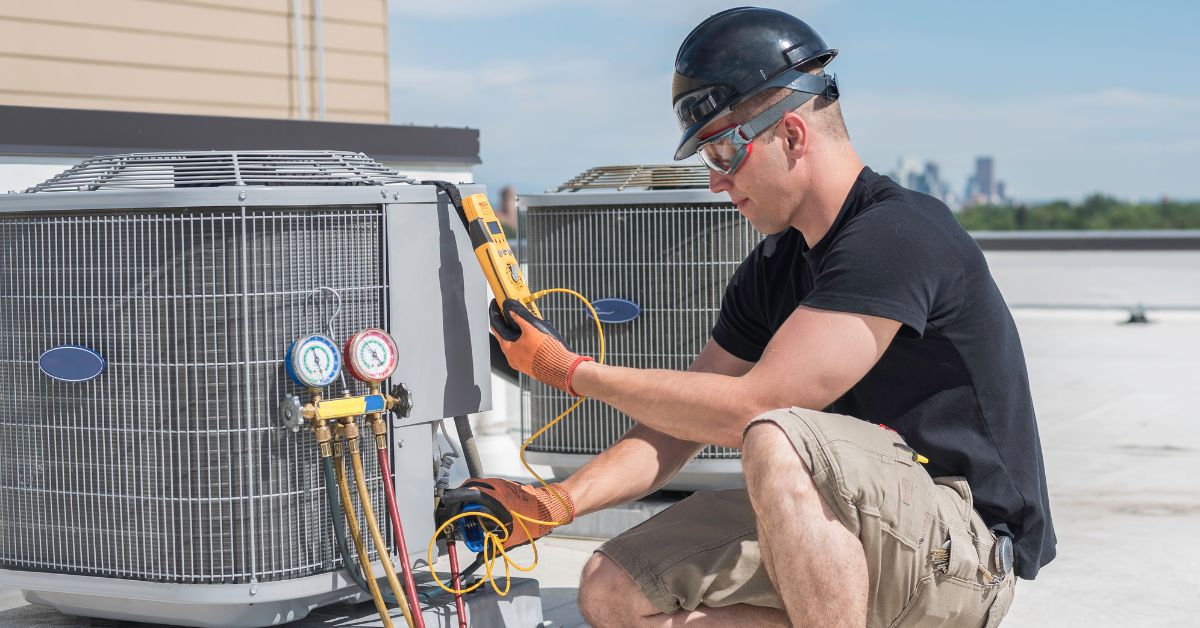
Your HVAC system sends its own warnings. Short cycling, unusual sounds, uneven temperatures, and rising energy bills are common signs it is losing efficiency. Most systems last 15 to 20 years. Repairs after that point add up quickly.
What Happens When You Delay Maintenance
Putting off repairs feels like saving money. Usually, it is the opposite.
A slow roof leak will eventually rot the wood underneath. Rot leads to mold, and mold is expensive to remove. What could have been a minor repair turns into a major job. The delay made everything worse and cost far more.
The same is true with plumbing. A corroded fitting left alone will fail at some point. Water damage to floors, walls, and ceilings can run into thousands of dollars. Insurance does not always cover damage tied to neglect.
Electrical issues carry serious risk beyond cost. Outdated wiring and worn panels are a leading cause of house fires. Addressing those problems early is far less costly than dealing with fire damage or injury.
Heating and cooling systems follow the same pattern. A clogged filter or failing part forces the system to work harder. That strain spreads to other components. What started as a small fix becomes a full breakdown.
Delayed maintenance turns small problems into large ones. Staying ahead of repairs is always the better path.
How Energy Use Climbs as Systems Age
Aging systems use more energy to do the same job. That shows up on your monthly bills.
A furnace that once ran efficiently now works longer to reach the same temperature. Wear reduces its output. You pay more for less comfort. The same pattern applies to air conditioners, water heaters, and even windows.
Seals on double-pane windows fail over time. When that happens, outside air gets in and conditioned air escapes. Your HVAC system then works harder to compensate. Energy use rises even though nothing feels different at first.
Water heaters with sediment buildup take longer to heat water. The heating element pushes against a layer of deposits. Your energy bill goes up while hot water runs out faster.
Tracking your utility bills over a few years can reveal these trends. A steady increase without an obvious cause often points to aging equipment losing efficiency. Reviewing statements from your illuminating company alongside your household’s energy usage can make it easier to identify unusual increases in electricity consumption over time. Replacing aging equipment before it fails completely can improve energy efficiency, reduce monthly costs, and provide more reliable comfort throughout the year.
When Replacement Is the Smarter Choice
There is a point where repairs no longer make financial sense. Knowing where that line is matters.
A simple guide: if a repair costs more than half the price of a new system, replacement is usually the better option. This holds especially true for systems already past their expected lifespan.
New systems are built to higher efficiency standards. A new furnace or air conditioner will use less energy and come with a warranty. The upfront cost pays off through lower bills and fewer service calls.
Homeowners weighing furnace options can find helpful guidance from local companies that walk through the full process. Resources like furnace replacement waco tx explain what to expect and how to plan the transition.
Replacing a roof, updating an electrical panel, or installing new plumbing carries the same logic. You stop paying to maintain something failing and start benefiting from something reliable.
Plan Before a Crisis Forces Your Hand
Most homeowners do not know the age of every system in their home. That is a reasonable place to start.
Find out when your roof, water heater, HVAC system, and electrical panel were last replaced. Note which systems are approaching the end of their typical lifespan. This gives you a timeline to work from.
With that information, you can budget for replacements before urgency sets the terms. Emergency replacements cost more and leave fewer options. Planned replacements give you time to compare, choose wisely, and spend carefully.
Your home systems work quietly every day. Paying attention to how they age keeps your home comfortable, efficient, and ready for the years ahead.
