


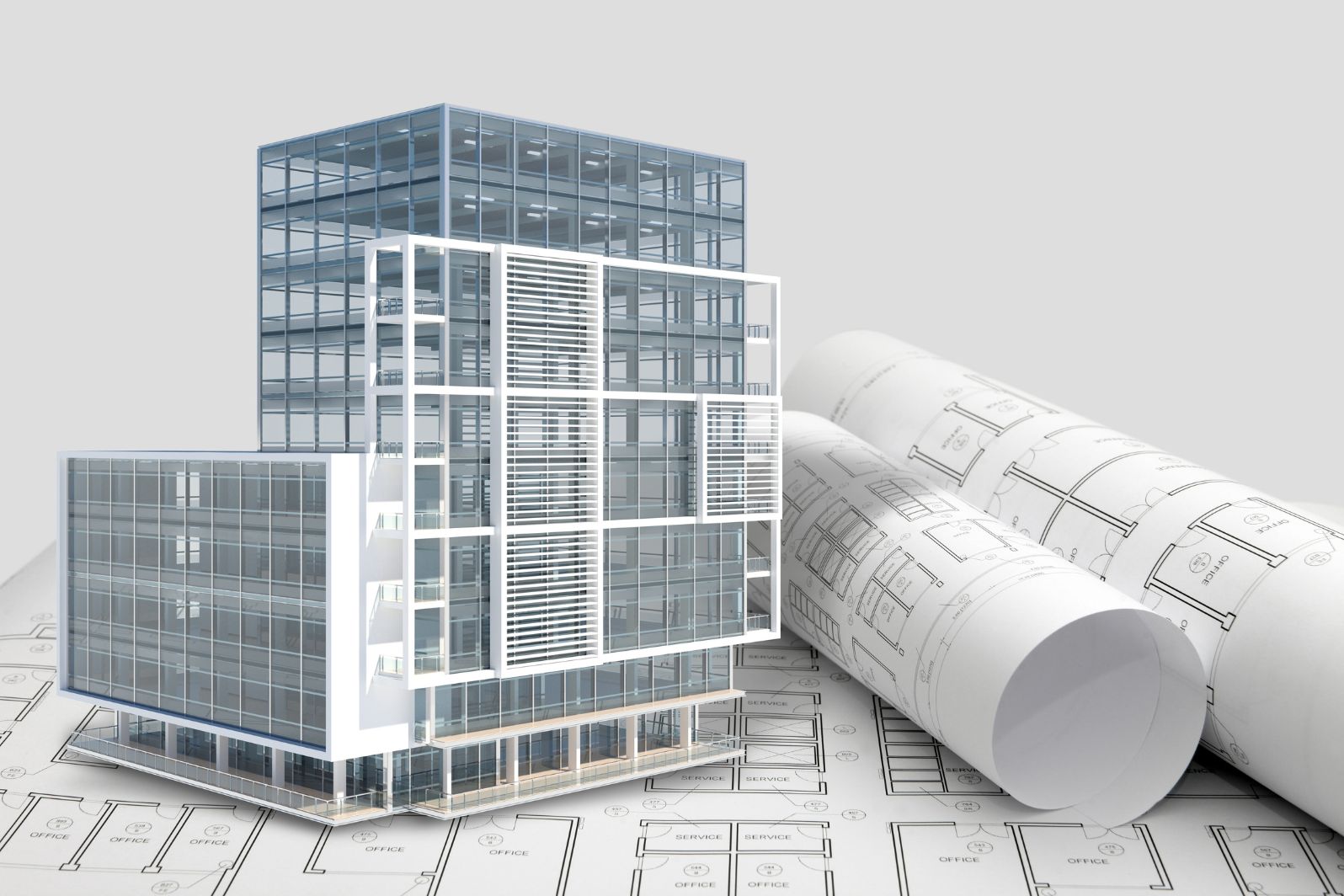
When you’re planning a commercial building, a lot of time goes into the stuff people see—layouts, finishes, lighting, signage. But behind all of that, there’s a layer of safety design that’s just as important. And one of the biggest parts of that is smoke control.
It’s not enough to have alarms and fire exits. If your building traps smoke instead of managing it, everything from evacuation to rescue to damage control gets harder. That’s where smart smoke control systems come in—and they’re more than just add-ons.
Table of Contents
Smoke is the real threat in most fires
Most people don’t realize how fast smoke takes over. In an enclosed space, it only takes a few minutes for visibility to drop to near zero. Smoke makes it hard to breathe, blocks exit signs, and spreads heat to places the flames haven’t even touched yet. Most fire-related deaths are from smoke inhalation, not the fire itself.
That’s why your smoke strategy can’t just be about alerts—it has to include a plan for how smoke actually leaves the building.
What a smart smoke system really includes
In a well-designed commercial building, smoke control starts at the top. Literally. One of the key systems that make this work are Surespan smoke ventilators, which are installed into the roof and automatically open when smoke is detected.
These vents give smoke and hot gases a direct way out. That does a few things at once. It keeps escape paths clearer for people inside, improves visibility for fire crews, and slows down the spread of heat and toxic air through the rest of the building.
You don’t need to manually trigger them, either. They work automatically, right when the alarm system picks up signs of a fire.
Not all vents do the same thing
It’s easy to assume all smoke vents are basically the same—but they’re not. Some buildings use natural smoke ventilation, which relies on heat rising and drawing smoke upward. Others use powered systems that push or pull air with fans. Some systems use a mix, depending on the layout and use of the space.
The smart move isn’t picking the fanciest system. It’s picking the one that fits the way your building works—how high the ceilings are, how many floors you’ve got, what areas are open or compartmentalized, and where people are likely to be during an emergency.
Why smoke control can’t be skipped in multi-use buildings
Buildings aren’t just getting taller—they’re getting more complicated. You’ve got retail on the ground floor, offices above that, maybe even housing on top. When different people are using different parts of the same building at the same time, fire and smoke can spread in unexpected ways.
That’s where smart, zoned smoke control systems come in. These setups can respond differently in each area of the building. Vents in one part might open while another section stays sealed off to keep smoke from moving in. It’s not just about clearing air—it’s about controlling the direction smoke flows and keeping it from getting to places it shouldn’t.
And with more buildings going for open atriums, glass roofs, and shared ventilation systems, the need for custom smoke vent design has only gone up. It’s no longer just about following code—it’s about staying one step ahead of what could go wrong.
Smoke control supports the rest of your fire plan
Good smoke ventilation doesn’t replace other safety systems—it backs them up. For example, sprinklers cool the area and slow the spread of flames, but they don’t move the smoke out. Alarms get people moving, but if the halls are full of thick black air, no one’s going anywhere fast.
And for firefighters, being able to see what’s going on makes all the difference. If your smoke vents are working right, the crew can find the fire faster, protect the rest of the structure, and avoid injuries while they work.
Placement matters more than most people think
Even the best equipment won’t work if it’s in the wrong spot. That’s why planning smoke vents isn’t just about ordering the right unit—it’s about placing them where they’ll actually help.
In larger spaces, especially with open-plan layouts, smoke can hang in areas that are hard to reach without the right airflow. Vents need to be where hot smoke collects first. For multi-story buildings, the vent system has to work with stairwells and corridors, not against them.
This is one of the biggest mistakes in retrofit jobs—installing vents where they’re easy to fit, instead of where they’ll do the most good.
A smart system blends in until it’s needed
Most of the time, these systems don’t draw attention. They’re built into the structure, usually out of sight. No flashing lights, no buzzing motors, no extra clutter. But in an emergency, they’re working in seconds. That’s the beauty of it.
The goal isn’t to show off the system. It’s to make sure it’s there when it matters—without making the space feel like a bunker the rest of the time.
What to take away from all this
If you’re designing or managing a commercial building, smoke control should be part of your core fire strategy—not something you deal with later. Smart smoke systems don’t just reduce damage. They give people more time, make rescues easier, and protect the space itself.
And when you get it right, no one notices—until it works exactly how it’s supposed to. That’s what smart safety really looks like.
