


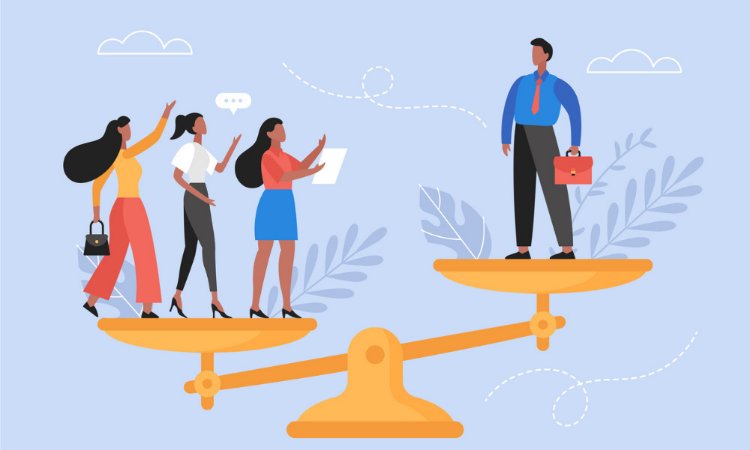
Gender inequality is one of the most challenging issues affecting millions of people worldwide in the 21st century. While we often discuss its visible effects, like unequal pay or limited access to education, there’s another side that deserves equal attention. Its deep psychological and emotional impact on those who experience this kind of discrimination.
In this article, we will explore what is gender inequality and the psychological and emotional aspects of this discrimination in detail.
Table of Contents
Understanding Gender Inequality
Gender inequality means treating people differently or unfairly simply based on whether they are male or female. This unfair treatment is evident in many areas of life, from schools and workplaces to homes and communities. Women and girls generally face the worst effects of this type of inequality, although it can affect anyone when society expects them to fit into rigid gender roles with which they don’t identify.
If we consider that two equally talented students are applying for the same scholarship, but one gets chosen simply because of their gender rather than their abilities, then that is a problem. That is gender inequality in action, and is unfortunately very common in the real world.
The Hidden Emotional Wounds Due to Gender Inequality
When someone faces gender-based discrimination repeatedly, it creates wounds that go much deeper than what others can see. These emotional injuries can be just as harmful as physical ones, sometimes even more so because they’re harder to identify.
Consider Sarah, a brilliant engineer whose ideas are constantly dismissed in meetings, only to see male colleagues being praised for suggesting the same solutions later. Over time, Sarah begins to doubt her own abilities, despite being highly skilled and having no fault of her own. This self-doubt grew from repeated traumatic experiences of being treated as less capable because of her gender.
The Mental Health Impact of Gender Inequality
When people face constant discrimination, several psychological issues often develop because of it, like :
- Low self-worth becomes an everyday struggle for many victims. Over time, many people begin to believe these messages about themselves, which can lead to low self-worth and a distorted self-image.
- Anxiety and stress levels skyrocket when someone must constantly prove their worth or worry about facing discrimination. This ongoing stress is like carrying a heavy backpack everywhere with you. It’s exhausting and affects every part of that person’s life.
- Depression can develop when people feel powerless to change their circumstances. The feeling that no matter how hard they try, the system is stacked against them can lead to hopelessness and sadness that’s difficult to shake.
- Identity confusion happens when society sends mixed messages to the victims of gender injustice. A young girl might be initially encouraged to be ambitious, but then criticized for being “too aggressive” when she demonstrates leadership at work. This creates internal conflict in the person about who she’s supposed to be.
Understanding what is gender inequality and its psychological impact of gender inequality is the first step toward healing and change that the world needs. When communities recognize these hidden wounds amongst their members, they can better support these affected individuals and work toward creating fairer systems to help them. Supporting the efforts of non-profits, such as CRY America, which works to empower vulnerable youth and ensure their right to equality, is a crucial part of creating this necessary systemic change.
