


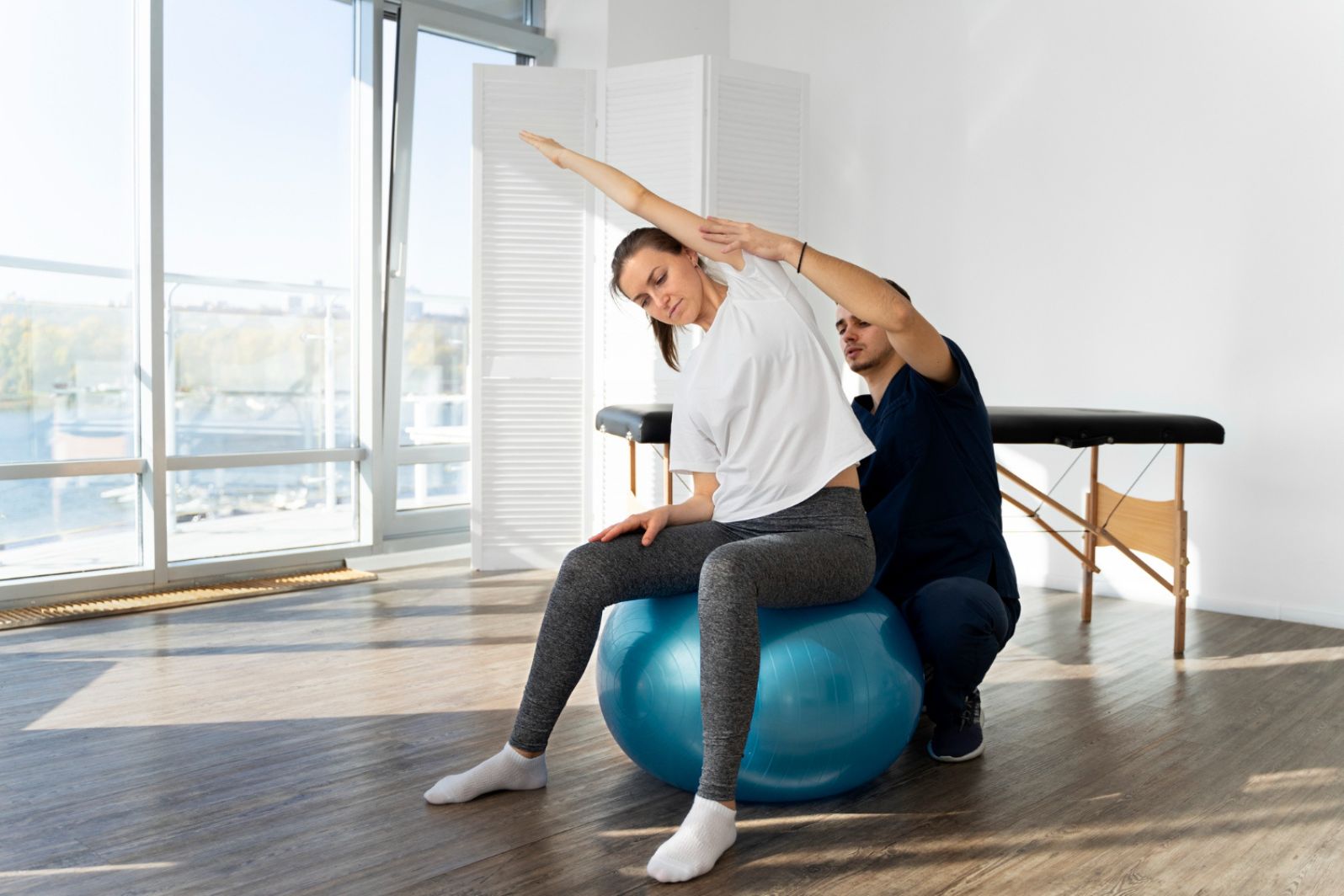
A good physical therapist does not just treat pain. You study motion the way an architect studies load-bearing walls. The knee is not a lonely hinge. The shoulder is not a rebellious ball joint plotting against humanity. Everything connects. One tight hip can bully the back for years. One weak ankle can send complaints all the way to the neck.
When you start looking for a career in physical therapy, you learn fast that people rarely show up with simple problems. They arrive saying, “My shoulder hurts,” while sitting like a question mark and walking like their left shoe owes them money. Your job becomes an investigation more than instruction. You watch how they stand, how they turn, how they hesitate before sitting. Movement tells stories long before imaging reports do.
This mindset turns sessions into design work. You are not patching a crack. You are redistributing stress across the structure, so the crack stops returning.
Learning the Materials: Muscle, Patience, and Trust
School teaches anatomy. Clinics teach patience. The body heals at a speed that refuses negotiation. You can encourage tissue. You cannot threaten it into recovery. Many patients believe strength appears after three visits and a motivational speech. You gently explain that tendons prefer calendars, not pep talks.
Hands-on care matters, but communication matters more. When people understand why an exercise exists, they actually do it. When they don’t, the resistance band becomes a drawer ornament beside old phone chargers. Education becomes part of treatment. You translate medical language into human language. “We’re waking up muscles that went on vacation” works better than reciting muscle fiber classifications.
Humor helps here. A small joke during a painful stretch lowers guarding faster than another lecture about compliance. People relax. Relaxed muscles cooperate. Suddenly, progress appears.
Designing the Session Experience
Thriving therapists treat each visit like a planned environment. The clinic should feel active but calm. Clear instructions matter. Demonstrations matter. Your tone matters. Patients mirror your confidence. If you hesitate, they hesitate. If you panic when they wobble, they will never trust the exercise again.
Structure becomes your strongest tool. Warm-up, focused work, reassessment. Predictable flow builds safety. Patients begin to notice improvement because you show them where they started. Without that comparison, healing feels invisible. With it, standing from a chair becomes a milestone.
Documentation also becomes part of the architecture. Clean notes guide future sessions and protect continuity. Good records prevent the classic problem where a patient returns after vacation, and everyone pretends to remember exactly what happened three weeks ago.
Building a Sustainable Career
Physical therapy is rewarding and physical. That combination requires boundaries. Early therapists try to demonstrate every exercise at full intensity. After a few months, their own backs protest. You learn to coach more and perform less. Demonstrate enough, then guide. Your joints will thank you during year ten.
Scheduling balance matters as well. Back-to-back complex cases drain focus. Short mental resets protect clinical reasoning. Consultation with colleagues sharpens judgment. Even experienced therapists benefit from another set of eyes noticing a gait pattern you missed while adjusting a table height.
Financial understanding also supports longevity. Efficient scheduling, accurate billing, and clear communication keep the practice stable. Stability lets you focus on patients instead of spreadsheets sneaking into your thoughts mid-squat assessment.
Measuring Progress Over Time
Success in physical therapy rarely arrives with dramatic music. It shows up quietly. A patient ties their shoes without planning the maneuver. Someone climbs stairs while talking instead of negotiating with gravity. A runner stops checking knee pain every five steps.
You also learn that discharge is the real goal. If patients need you forever, the structure failed. Independence means the design works. They carry strength into daily life, not just clinic space.
Over years, you build a reputation less through marketing and more through outcomes. Physicians trust your judgment. Former patients send family members. The clinic becomes a place people associate with possibility instead of limitation.
The wellness architect in physical therapy does not create perfect bodies. You create durable movement. When people return to gardening, lifting groceries, or chasing kids without calculating risk, the building stands on its own. That quiet normalcy is the strongest proof your career is thriving.
