


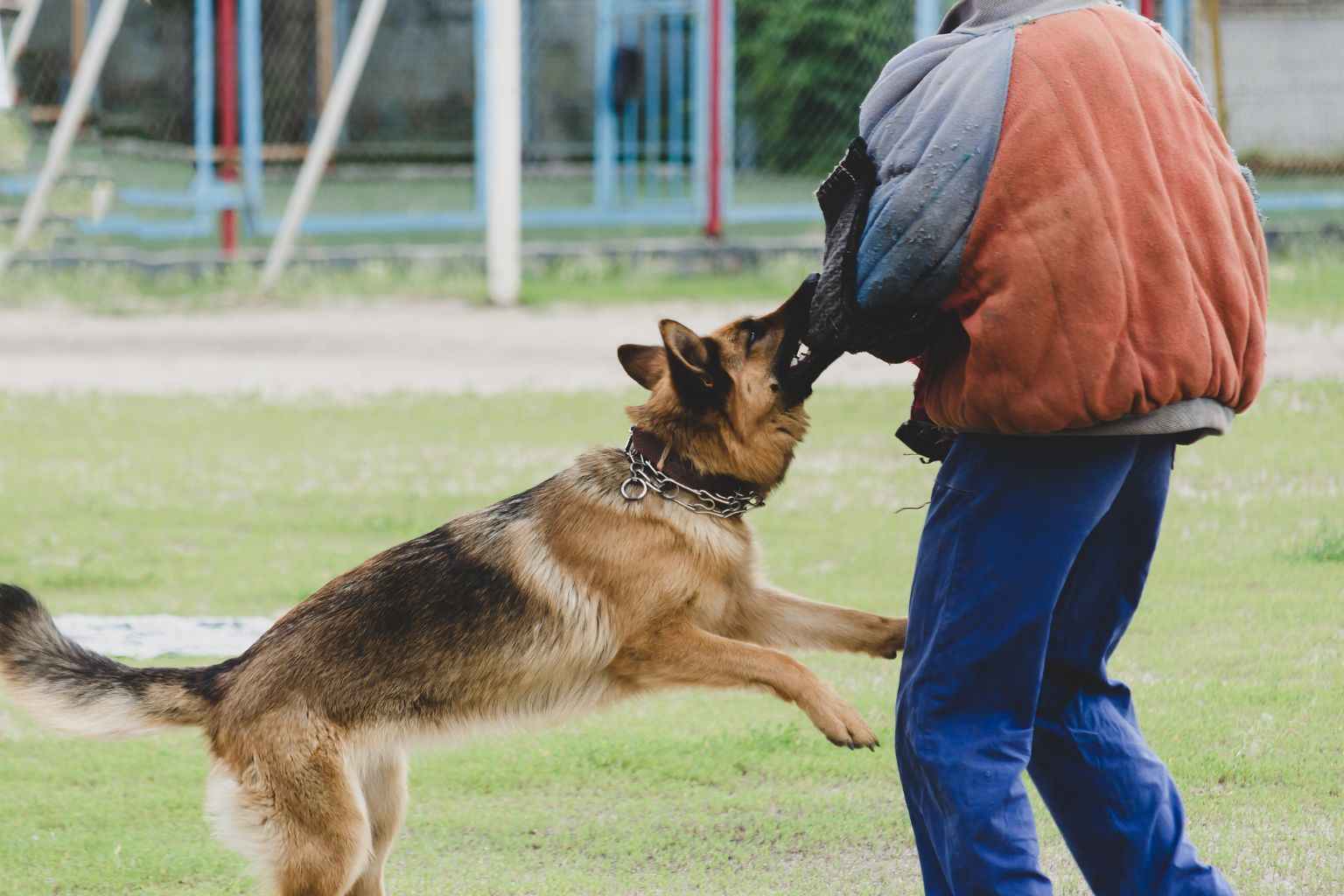
You are walking down the street. The sun is shining. Birds are singing. Suddenly, a low growl breaks the peace. Before you can react, it happens. A dog bite is not just a physical injury. It is a moment of sheer terror that changes everything in a split second. Most people think it will never happen to them… until it does. Then the questions start piling up faster than the medical bills. Who is responsible? Who pays for the surgery? Can you even sue?
These incidents are more common than anyone likes to admit. Millions of bites happen every year. Most are minor. Some are not. When teeth break skin, the path forward gets complicated. Infection risks skyrocket. Nerves get damaged. The shock alone can leave a person shaking for days. And that is just the beginning. The real challenge often starts after the wounds are stitched up. Dealing with insurance companies can feel like a second attack. They want to settle fast. They want to pay less. It is their job. Your job is to make sure you do not get shortchanged.
The Immediate Aftermath: What You Must Do
Chaos rules the moments after an attack. Adrenaline is pumping. You might not feel the pain right away. That does not mean you are okay. Priority number one is safety. Get away from the animal. If the owner is there, get their info. Name. Phone number. Address. Dog’s vaccination status. This is critical. You do not want to undergo rabies treatment if you do not have to. It is painful and expensive. If the owner is not there, or if it is a stray, call animal control immediately.
Medical attention is non-negotiable. Even a small puncture can trap bacteria deep under the skin. Tetanus is a real threat. Capnocytophaga can be fatal. Go to the doctor. Get it documented. Take photos of everything. The wounds. The torn clothes. The location. Evidence fades. Bruises heal. Memories get fuzzy. Photos do not lie. This documentation becomes the backbone of any claim you might need to make later. Without it, it is just your word against theirs. And in a legal battle, concrete proof wins every time.
Navigating the Legal Maze of Liability
Liability laws vary wildly depending on where you are. Some places follow a “one bite” rule. This means the owner might get a pass if the dog has never bitten anyone before. They can claim they didn’t know the dog was dangerous. Other jurisdictions, like Michigan, have strict liability statutes. In these states, the owner is almost always responsible. It does not matter if the dog was a saint yesterday. If it bites today, they pay. This is where things get technical. Understanding the specific statutes in your area is not something you should guess at.
This is often the point where victims realize they are out of their depth. Insurance adjusters start calling. They sound nice. They ask how you are feeling. Do not be fooled. They are looking for anything to reduce the payout. “Maybe you provoked the dog?” “Were you trespassing?” They will ask leading questions. This is why having a skilled professional on your side changes the game. A seasoned dog attack attorney knows these tactics inside and out. They act as a shield between the victim and the aggressive insurance machinery. They gather the police reports. They talk to the witnesses. They ensure that the strict liability laws are applied correctly to your case. You focus on healing. They focus on the fight.
The Road to Recovery and Rehabilitation
Healing is not a straight line. Physical wounds are just the visible part. Scar tissue can tighten, limiting movement. Nerve damage can cause chronic pain or numbness. Physical therapy becomes a part of the daily routine. It is grueling work. Retraining muscles. Stretching damaged skin. It takes time. And it takes money. Lots of it.
Then there is the mental aspect. Post-traumatic stress is common in attack victims. A walk in the park isn’t relaxing anymore. The sound of barking triggers panic attacks. Children are especially vulnerable to this. They might develop a lifelong fear of animals. Therapy is often needed to process the trauma. This is just as valid as the physical injury. It needs to be treated with the same seriousness.
Finding the right support is crucial. You need medical experts who understand trauma. You need to focus on your holistic well-being, understanding that sleeping well means more than just hours in bed; it requires true mental peace, which is often stolen by the incident. You need to ensure that your compensation covers not just the ER visit, but the months of rehab and therapy that follow.
Counting the Cost: What Compensation Looks Like
What is a fair settlement? That is the million-dollar question. Literally, sometimes. It depends on the severity. Level 1 bites might just be a scare. Level 4 or 5? You are talking about reconstructive surgery. Skin grafts. The costs add up fast.
Medical bills are the obvious first bucket. But look deeper. Lost wages? If you can’t work because your hand is bandaged, that is a loss. Future earning capacity? If you have permanent nerve damage and can’t type or lift, that affects your career. That needs to be calculated. Then there is pain and suffering. How do you put a price on the nightmare of the attack? On the humiliation of a facial scar? On the anxiety that never goes away?
Juries look at all of this. Settlements should reflect it. A quick offer from an insurance company rarely covers the long-term reality. They offer $5,000 for a scar that will cost $20,000 to fix. Don’t sign until you know the full scope of the damage. Once you settle, that’s it. You can’t go back for more if complications arise a year later.
The Psychology of the Attack
Why do dogs bite? It is rarely random. Fear. Protection. Illness. Dogs communicate with their bodies. A stiff tail. A hard stare. A raised lip. Humans, especially kids, often miss these signs. We think a wagging tail always means happy. It doesn’t.
Understanding this psychology is key to the case too. Did the owner know the dog was anxious? Was it a breed with a history of aggression? Did they ignore warning signs? Proving negligence often comes down to these details. If a neighbor testifies that the dog was always lunging at the fence, that destroys the “he’s never done this before” defense. It establishes a pattern. It shows that the owner failed in their duty of care.
And let’s be honest. Some owners are just irresponsible. They leave gates open. They walk powerful dogs without strong leashes. They ignore leash laws entirely. When that negligence leads to an injury, they must be held accountable. It is not about punishing the dog. It is about enforcing responsibility on the human end of the leash.
Prevention and Community Safety
We all want safe neighborhoods. Preventing bites starts with education. Teach kids not to approach strange dogs. Ask permission before petting. Stand still like a tree if a loose dog approaches. Do not run. Running triggers the prey drive.
Dog owners have the biggest burden. Socialize your pets. Train them. If your dog has issues, manage them. Muzzle train if necessary. It is not cruel; it is safe. Secure your property. A broken fence is a lawsuit waiting to happen.
Communities are cracking down too. Leash laws are getting stricter. Penalties for owning dangerous dogs are increasing. It is a shift towards zero tolerance for negligence. Public safety has to come first. When owners step up, accidents go down. It is that simple.
Moving Forward After the Trauma
The scars might fade, but they stay with you. Recovery is a journey. It involves doctors, therapists, and legal experts. It involves patience. It involves standing up for yourself when the system tries to push you down.
You have rights. You are not just a statistic. If you have been hurt, take the steps. Get the medical care. Document the evidence. Seek the counsel you need to navigate the system. Whether it is a settlement that secures your financial future or a court verdict that brings closure, justice is part of the healing process.
Life goes on. The fear eventually subsides. But the wisdom gained from the experience remains. You become more aware. More cautious. And hopefully, empowered to ensure that what happened to you doesn’t happen to anyone else. It is a tough road, but you do not have to walk it alone.
