


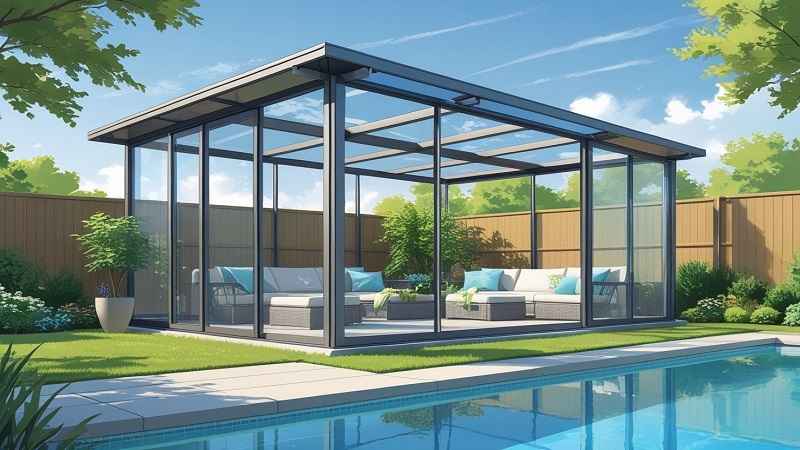
A pool enclosure transforms your backyard swimming area into a functional space that serves you throughout the year. Rather than choosing between an open-air pool and complete protection, modern enclosure designs deliver both comfort and security without compromise.
The right pool enclosure design balances protective functionality with an inviting atmosphere that encourages you to use your pool more often while reducing maintenance demands. Your enclosure can shield against debris, insects, and weather while maintaining clear sightlines and adequate ventilation. These structures extend your swimming season and create a controlled environment that minimizes chemical usage and cleaning time.
Understanding the principles behind effective enclosure design helps you make informed decisions about materials, layout, and features. The following sections explore practical design approaches and innovative options that align protection with comfort in ways that suit your specific needs and property.
Key Principles in Designing Pool Enclosures for Comfort and Protection
Successful pool enclosure design requires careful attention to structural integrity, material durability, and aesthetic harmony with your property. The right approach ensures your enclosed pools deliver year-round functionality while enhancing your outdoor living space.
Balancing Visual Appeal and Functional Safety
Your pool enclosure design must prioritize safety without compromising visual quality. Aluminum frames offer structural strength while maintaining clean sight lines that preserve views of your surrounding landscape. These frames support impact-resistant materials that protect against debris, UV exposure, and weather events.
Choose screening or glazing materials based on your climate and usage patterns. Fine mesh screens provide ventilation and insect protection for warm climates. Polycarbonate or tempered glass panels offer superior wind resistance and thermal control in regions with harsh winters.
Safety features should integrate naturally into the design. Self-closing gates, secure latches, and proper spacing between structural elements prevent accidents while maintaining architectural coherence. The enclosure height and panel configuration must comply with local building codes while fitting proportionally with your home’s scale.
Seamless Indoor-Outdoor Integration
Effective pool enclosures create fluid transitions between interior spaces and your pool area. Retractable panels or sliding door systems allow you to adjust the enclosure based on weather conditions and personal preference. This flexibility transforms your pool from a protected indoor environment to an open-air space.
Color coordination matters significantly. Match your aluminum framing to existing architectural features like window frames, trim, or roofing elements. Neutral tones like bronze, white, or charcoal blend with most home styles without drawing excessive attention.
The enclosure footprint should extend beyond the pool edge to accommodate furniture, walkways, and equipment access. This expanded coverage converts the entire area into usable outdoor living space rather than just enclosing your pool itself.
Material Selection for Performance and Aesthetics
Aluminum framing remains the preferred choice for pool enclosures due to its corrosion resistance, lightweight properties, and minimal maintenance requirements. Unlike steel or wood alternatives, aluminum withstands constant moisture exposure without deteriorating or requiring regular treatments.
Durable materials for panels depend on your priorities:
- Polycarbonate sheets: Impact-resistant, UV-stable, lightweight
- Tempered glass: Superior clarity, premium appearance, thermal efficiency
- Aluminum screening: Maximum airflow, insect protection, economical
Powder-coated finishes on aluminum frames provide additional protection and color stability. These coatings resist fading, chalking, and peeling far better than paint. Select finishes rated for marine or pool environments to ensure longevity in high-humidity conditions.
Innovative Features and Styles Enhancing Comfort and Protection
Modern swimming pool enclosures integrate cutting-edge materials with adaptive technologies to create protected environments that extend usability throughout all seasons. Today’s designs prioritize seamless indoor-outdoor transitions, climate control, and minimal upkeep requirements.
Modern Enclosure Concepts and Architectural Styles
Contemporary swimming pool enclosures embrace minimalist aesthetics through expansive glass walls that maximize natural light while maintaining protection from elements. These modern pool enclosure designs utilize frameless glass panels or slim aluminum profiles to create unobstructed sightlines to your outdoor living area.
Polycarbonate panels offer a lighter alternative, providing excellent UV protection through multi-wall construction that filters harmful rays while allowing beneficial natural illumination. You can select from various transparency levels to balance privacy needs with openness.
Screen pool enclosures deliver ventilated protection against insects and debris while maintaining airflow during warmer months. The screened pool enclosure approach works particularly well in humid climates where air circulation prevents moisture buildup. For enhanced durability, you can choose materials with built-in UV stabilizers that resist degradation from constant sun exposure.
Architectural styles range from sleek domed structures for above-ground installations to angular contemporary designs with insulated panels that provide superior thermal performance for year-round swimming.
Retractable and Adaptive Enclosure Technologies
Retractable pool enclosures transform your space from fully enclosed to open-air configurations based on weather conditions and preferences. Retractable roofs operate on motorized track systems that allow sections to slide or telescope, giving you complete control over your environment.
Smart automation integrates these retractable panels with home systems, enabling remote operation through mobile devices or voice commands. Some installations include sensors that automatically close the enclosure when detecting rain or strong winds.
Retractable pool enclosure designs accommodate various budgets and architectural requirements. Low-profile tracks maintain clean lines while supporting panels that nest compactly when opened. Multi-directional systems let you open specific sections rather than the entire structure, providing partial coverage during transitional weather.
The adaptability of these systems reduces pool maintenance by keeping debris out when closed, while opening capabilities prevent heat buildup and provide ventilation when needed.
Enhancing Year-Round Enjoyment and Low Maintenance
An enclosed pool with proper climate control extends your swimming season significantly, converting your installation into a year-round oasis. Insulated panels combined with heating systems maintain comfortable water temperatures even during cold months, while ventilation features prevent condensation and humidity issues.
Modern swimming pool enclosures incorporate self-cleaning glass coatings that repel water and reduce manual cleaning frequency. The materials resist algae growth and staining, minimizing the time you spend on maintenance tasks.
Pool enclosure installation with quality materials delivers decades of service with minimal intervention. UV-resistant components maintain structural integrity and appearance without frequent replacement. Drainage systems integrated into the design channel rainwater away from the pool area, preventing standing water that could promote mold or create slipping hazards.
These features work together to reduce chemical usage, filter workload, and cleaning requirements while creating comfortable conditions for extended swimming season enjoyment.
